

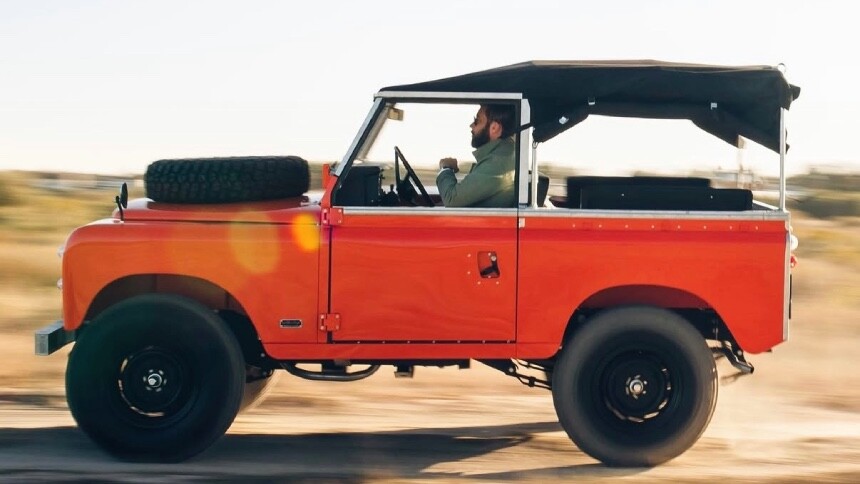
A Land Rover Defender, a camera , and a road in Africa : that was the combination that made Portuguese national Ricardo Pessoa happy in his youth. Passionate about cars and photography from a young age, he never expected to end up dedicating part of his life to restoring the boxy, rugged model from the British manufacturer. A meticulous hobby that turned into a global business.
Based in Lisbon and with almost 14 years in the market, Coolnvintage (CNV) refurbishes a maximum of 15 vehicles per year. Each one requires, on average, 2,000 hours of manual work and can take up to a year to complete. The price: from €200,000.
“I started developing the cars for myself, but little by little, people showed interest and it became a business,” Pessoa says in an interview with NeoFeed . Little by little, the company grew until the waiting list reached its current three years.
In the Campo de Ourique neighborhood, in Lisbon's historic center, the workshop has enough space to work on 30 cars a year—which would reduce the backlog of orders. Even so, Pessoa doesn't plan to expand. That would break one of CNV's central characteristics: the founder's direct involvement in each project.
“True art demands time, humility, and repetition. Only then does it become art (...) Mastery is achieved slowly. It cannot be rushed,” Pessoa writes in the company manifesto. “We create objects made to last. Not to impress. Not to be replaced. But to be used, maintained, and passed down from generation to generation.”
The businessman takes these principles so seriously that if a client's request doesn't align with CNV's aesthetic profile, the deal isn't closed. "If they ask us for a car that's completely embroidered, with monograms, for example, I'm not going to do it," says Pessoa.
The CNV team currently consists of about 15 people. Initially, they were hired based on experience—generally engineers and technicians from large German automakers, according to a report in the London Financial Times . Pessoa, however, realized that this was not the most suitable filter—passion was.
The work is predominantly manual, but Pessoa uses new technological tools in some stages of the restoration. One of the most used is 3D printing, essential for remaking parts identical to the originals.
“It allows us to make even higher quality parts,” he explains. “In other words, I can make the same door hinges, identical to those that came on the car, but replacing the iron with aluminum — guaranteeing that the component will never rust.”
According to the businessman's estimates, a Land Rover that has been through the Campo de Ourique workshop will not need repairs for 30 years.
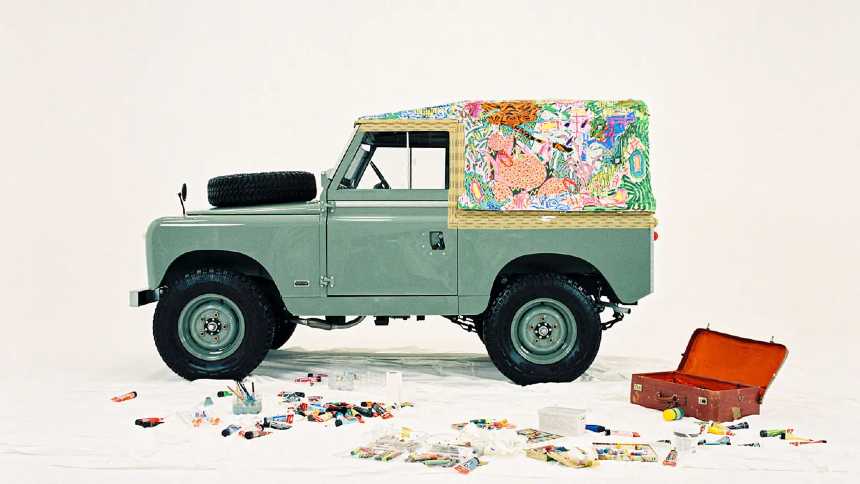
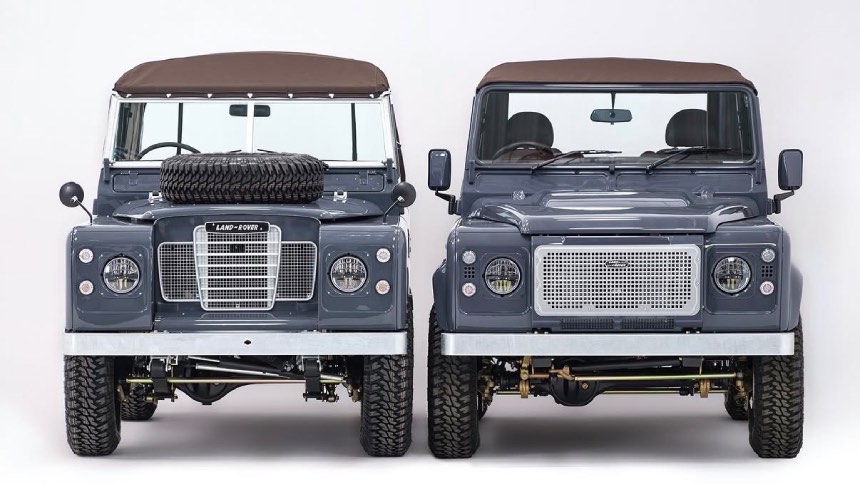
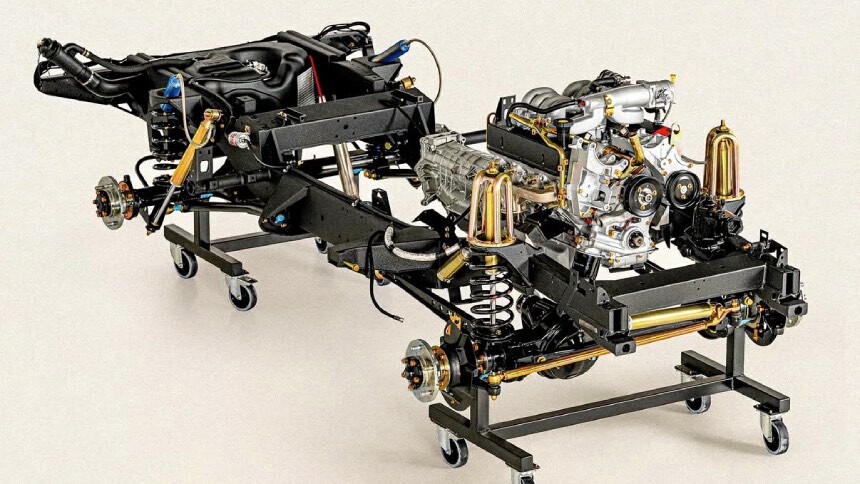
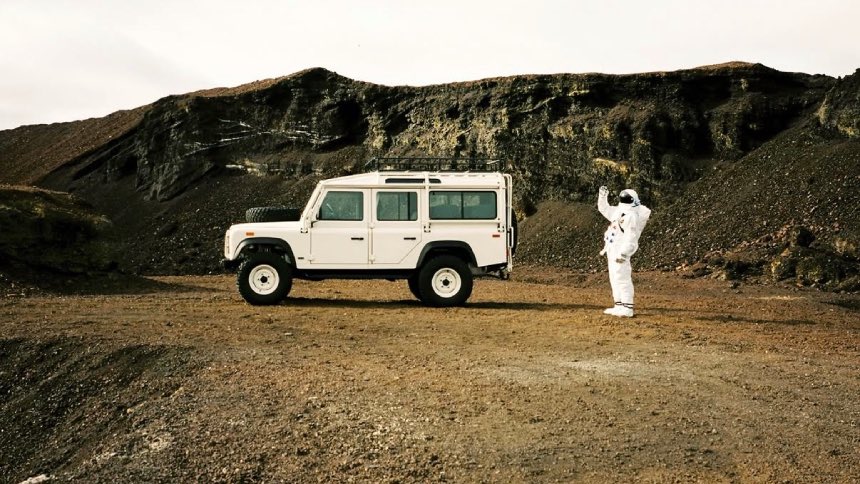
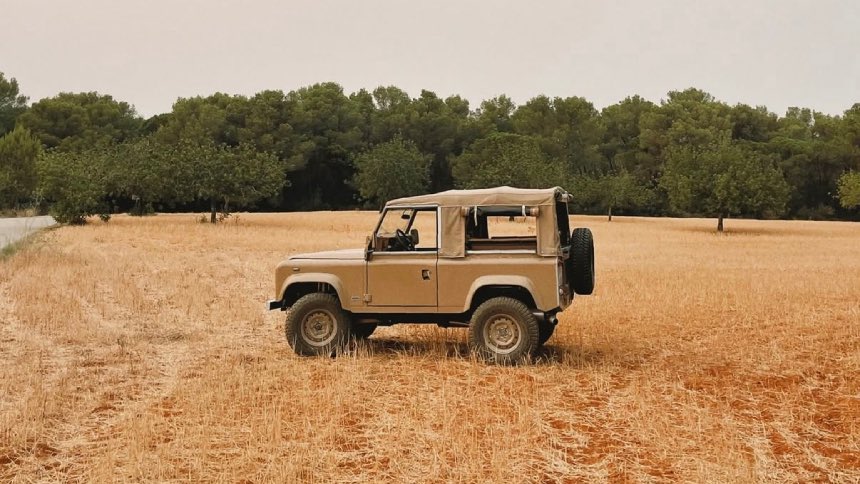
Once the contract is signed, until the Land Rover is ready, the client receives monthly "gifts" from CNV, such as artistic photographs of the restoration taken by Pessoa. It's a way to keep the anticipation high for the vehicle's arrival. It works.
The brand's customer base consists of men around 50 years old who have already achieved all their financial goals and are now seeking two of the most precious commodities of our time: time and freedom.
“These people have already had everything, they’ve already shown everything, they feel they have nothing left to prove and they start thinking about themselves,” says the businessman. “And this car is usually associated with a property, where the person spends time with friends, lives experiences. So it becomes synonymous with good things.”
Two out of ten customers own more than one CNV vehicle. This is generally to accompany the purchase of second or third leisure homes.
Land Rover was born in 1948, within the Rover Company factory, founded in 1878 by John Kemp Starley and William Sutton. Initially, it manufactured bicycles — the Rover Safety Bicycle established the standard design for modern bicycles, with equal-sized wheels and chain drive. The first car, the Rover 8HP, would only come at the turn of the 19th and 20th centuries.
Inspired by American military jeeps, engineer Maurice Wilks, chief designer at the Rover Company, envisioned agricultural reconstruction after World War II: a robust, inexpensive, and easy-to-repair vehicle for use on farms. Thus, the first Land Rover was created.
The imagery of exploration and use in harsh conditions has spanned decades and still helps explain the brand's appeal today. It is within this context that CNV's clientele is situated, spread across various countries.
The United States , which initially accounted for 50% of the business, now only manages to sell 25%. "Americans don't like waiting that long for a product," Pessoa explains.
Japanese customers represent another 25%, while 35% are from Europe . The remaining 15% are distributed among countries such as Kuwait, the Philippines, Thailand, Paraguay , and Argentina . And from Brazil? None. The blame, according to the founder, lies largely with high import taxes.
“We have thought several times about developing a car in Brazil, in partnership with a good friend of mine who has a workshop specializing in Land Rovers, which would avoid the high taxation of the product, but this project has not yet come to fruition,” he says.
Although the business doesn't leave Pessoa much free time, the entrepreneur continues to produce at least one vehicle for himself annually: "I usually use this car for a year and then resell it to someone interested, moving on to focus on my new project."