


New York — For the first time in 30 years, infant formula has entered the agenda of the FDA, the U.S. government's food and drug regulatory agency. Dubbed Operation Stork Speed and launched in March 2025, the initiative aims to modernize the regulatory framework for product quality and innovation in the breast milk substitute industry.
To that end, the FDA opened a public channel through which experts, families, and companies contributed to the discussions. Harmony Baby Nutrition, a startup focused on creating hypoallergenic formulas, founded by Del Afonso from Minas Gerais, was among the participants. A scientist with a career in foodtech , he seeks a composition that is up to 90% similar to breast milk.
In the United States, three companies hold 70% of the market — Abbott , Mead Johnson, and Perrigo. “They pay their professionals well, but they are stagnant, without any innovation,” criticizes the businessman, in an interview with NeoFeed , from Boston, where he lives. The first infant formula, according to him, was marketed in Europe in the 1860s: “The American oligopoly reduces incentives for innovation, but creates an opportunity for entrants with more advanced technological proposals.”
Founded in Boston, Harmony was born from Del's personal experience. In 2018, he became a father for the second time. However, unlike with his first child, his wife did not produce enough milk to breastfeed their newborn daughter. "Breast milk is always the best option, but natural breastfeeding is not always feasible," says the scientist.
The couple then had to resort to traditional formula, usually made with cow's milk protein. But the baby had an allergic reaction to the formula and began to lose weight—to the parents' despair.
The pediatrician then prescribed hypoallergenic formulas, produced by the same manufacturers as traditional formulas, but which use hydrolyzed cow's milk protein (which is more easily absorbed), soy, and amino acids as protein substitutes. Even so, some children may be allergic to these alternatives.
When examining the ingredients of commercially available formulas, including hypoallergenic ones, Del was shocked by the high amount of sugar, not to mention the taste—if babies could talk, they'd be complaining.
With a degree in pharmacy from UFMG and a master's degree in administration from PUC and MIT , in 2018, Del joined local scientists to tackle the problem.
“By understanding the infant gut microbiome, we are developing a technology to treat and prevent allergies,” she says. “Existing formulas don’t allow us to anticipate this problem.”
In the second half of the year, Harmony is expected to launch its first product in the US market: the Melodi formula, designed for children over 12 months old. Using FDA-approved ingredients, the formula employs hydrolyzed cow's milk protein, like other companies, but with less sugar than other available formulas.
The choice of this age range was strategic: in the United States, formulas for babies up to 12 months old require about two years of research and typically absorb around US$5 million in investment. For children older than that, the products fall under the food classification and the regulatory requirements are less stringent.

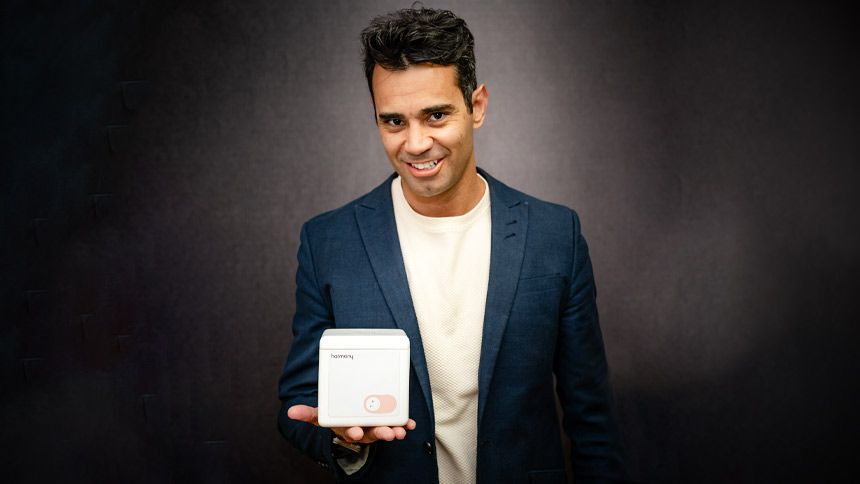
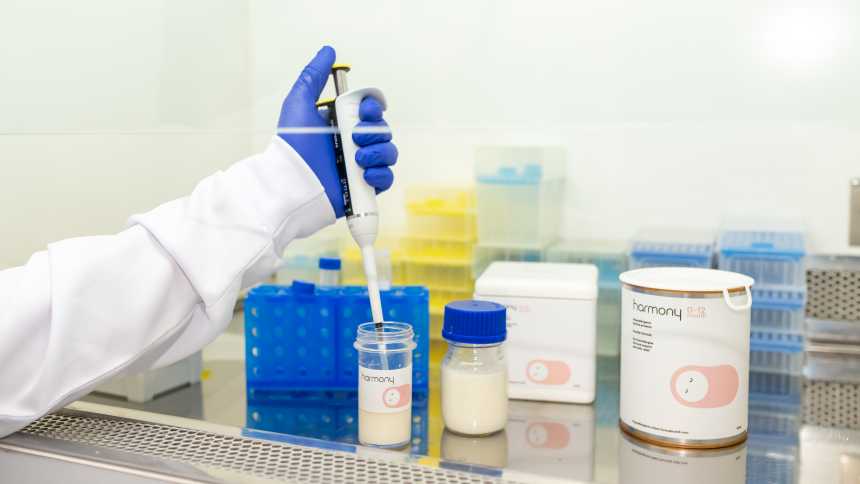
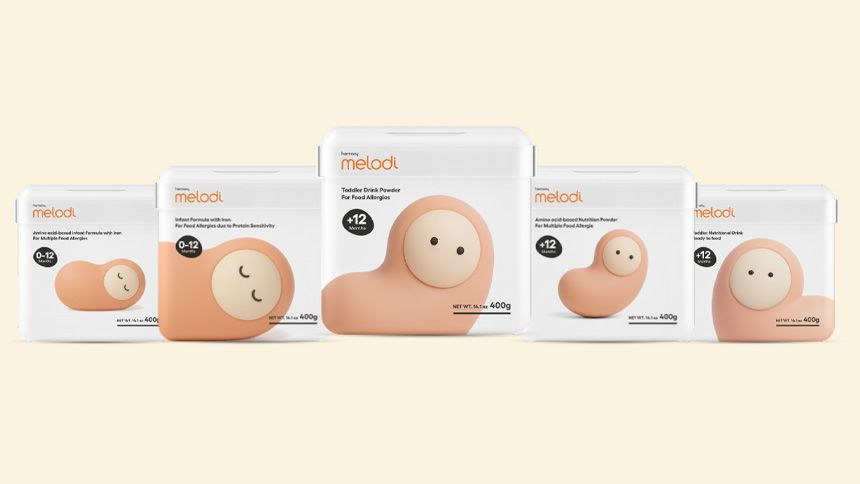
“After launching Melodi and validating the market, we will invest in clinical studies to expand the formulas for babies from 0 to 12 months, focusing on components closer to breast milk,” he explains, adding that he is already managing fundraising on the WeFunder website.
Last December, Harmony announced a R$ 30 million investment in funding from Finep and BNDES . The funds will be used to build a research and development center and a manufacturing unit in Belo Horizonte. The opening is scheduled for two or three years from now, with a team of 25 professionals.
“Today, we have an incredible number of highly qualified scientists in Brazil,” Del celebrates. “The proposal came from researchers to economic grant programs, highlighting Brazil’s strength in commodities, but the lack of relevant national manufacturers of infant nutrition.”
According to data from the CDC, the American public health agency, about 54% of babies in the country are fed formula until the first three months of life and 75% until six months, either as a supplement or as a complete diet.
Del's daughter's case is not an exception. A recent study from Massachusetts General Hospital indicates that one in five newborns experiences reactions to traditional formulas. Of the three authors of the research, Victoria Martin joined Del in creating Harmony.
The most common allergic reactions to infant formulas include skin rashes, colic, and proctitis (rectal inflammation). “In these cases, I recommend the Neocate brand of formula [based on amino acids], imported from the United States,” says Rio de Janeiro pediatrician Jayme Vaisman to NeoFeed . “Normally, the allergy to bovine protein shows a progressive reduction after one year of age, with proper monthly management and the gradual introduction of a regular diet,” adds the doctor, with six decades of experience.
In Brazil, the price of each 400-gram can of the product varies between R$200 and R$300, resulting in a monthly cost exceeding R$3,000. "Parents can register on the company's [Danone] website to obtain discounts or receive them free of charge at hospitals," says the pediatrician, who was attending to a case the week of this interview.
The FDA's initiative to reorganize the infant formula industry comes late. Market dominance in the hands of a few has generated serious consequences. In 2022, Abbott recalled three brands from circulation due to contamination that resulted in the deaths of some babies.
In 2023, it was Reckitt's turn to recall 145,000 contaminated cans from the market. In Brazil, a similar episode occurred last January, involving four Nestlé brands.
“These cases triggered a crisis: hospital phone lines became congested, and some mothers created a parallel market, shelling out $300 on eBay for cans that normally sell for $45, or importing new brands from Europe,” recalls Del.