

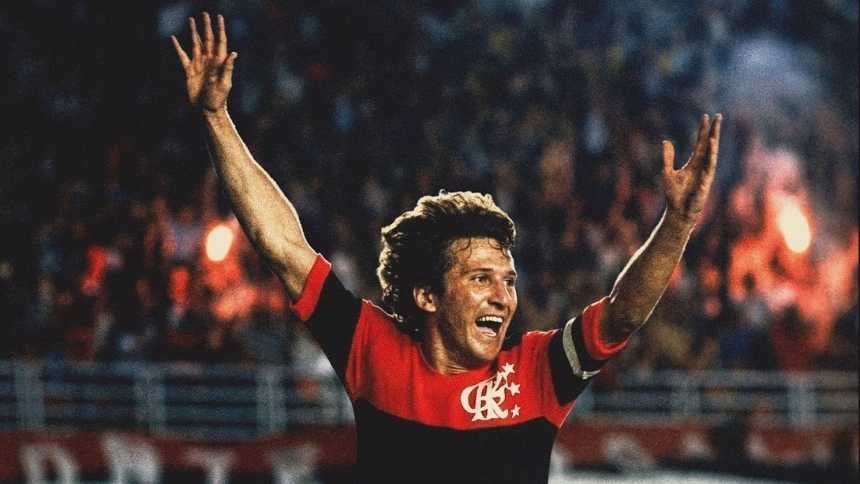
In Japan, Zico is known as the "warrior" who opened the doors to the popularization and professionalization of football in the country. And, in the Japanese collective imagination, the hero with a remarkable trajectory, built with honor and discipline, often carries the weight of a samurai.
This helps to understand where the title Zico, the Samurai of Quintino , given to the documentary about the greatest goalscorer in Flamengo's history, comes from. The author of 508 goals for the Rio de Janeiro club, between 1971 and 1990, has his sporting and personal trajectory, including his time in Japan, reconstructed in the film that hits theaters on the 30th.
And the samurai in the title also foreshadows the reverential approach that the former player, one of the biggest names in Brazilian football, receives here. Known as the " Little Rooster of Quintino ," a nickname he received early in his career for being frail and from the Quintino Bocaiúva neighborhood in the northern part of Rio, the former number 10 receives treatment worthy of national idols. In other words, without question.
In the film directed by documentary filmmaker João Wainer, the life of the former athlete gives the impression of being portrayed through the lens of a fan—even though the director claims to be a Santos supporter. It is an intimate and affectionate work that celebrates the conduct and legacy of Arthur Antunes Coimbra, now 73 years old. Currently, he serves as an ambassador for Flamengo and technical director of the Japanese team Kashima Antlers.
There are no conflicts or enemies (at least none declared) as Zico's journey is revisited, mainly through archival footage (showcasing his best goals) or clips from home videos. It is the challenges he faced, both on and off the field, that serve as the narrative counterpoint.
Like the serious injury to his left knee, suffered in 1985, which required a year of recovery and almost ended the striker's career. "After I was tackled by Márcio (Márcio Nunes), from Bangu, the drama with my knee began. It was a criminal and unfair tackle that wasn't aimed at the ball," the player recalled.
Another example was the unfortunate penalty kick, missed near the end of the game against France in the quarterfinals of the 1986 World Cup, held in Mexico. Zico took a poor shot, and goalkeeper Joel Bats saved it. The match remained tied in extra time, leading to a penalty shootout, where Brazil was eliminated.
“I made a mistake, but we could have continued or not [in the competition] . We weren't eliminated because of that. I worked like few others for the Cup. How can I consider myself a villain for one mistake?” Zico laments in the documentary produced by Vudoo Filmes and Guará Entretenimento.
In a way, this explains the athlete's later decision to accept an offer from Japan in 1991, going to play for Kashima Antlers, even though the club offered poor conditions at the time. "Japan did me good. I started living more fully again, without the pressure and demands [of Brazil] ," says Zico.
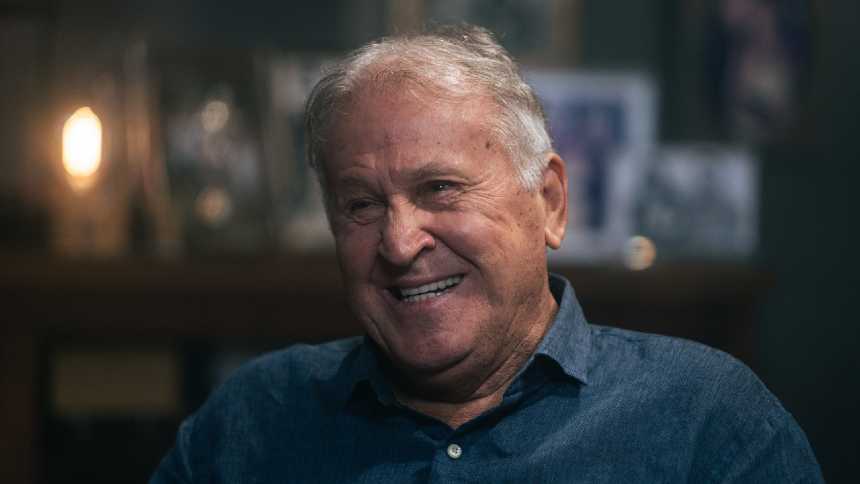
Thanks to the professional mindset he introduced, coupled with higher technical demands, the then-factory team (of Sumitomo Metals) transformed into a respected football club. And Zico's impact, in helping to popularize the sport and inspire new generations, ended up revolutionizing football in the Asian country as a whole.
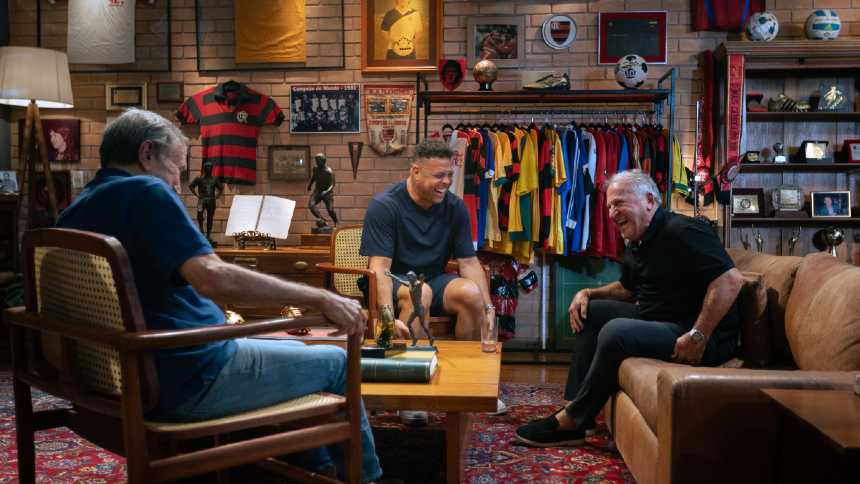
Zico's achievements are given equal weight to his setbacks in the film, which also includes never-before-seen footage and testimonials from family members, such as his wife Sandra and children. There are also recordings of Zico made especially for the documentary, showing him at home with his family, or reminiscing about significant moments in football with sports personalities such as Ronaldo Fenômeno, Júnior Maestro, Paulo César Carpegiani, and Carlos Alberto Parreira, among others.
Personal items also help her tell his story, such as the number 10 jersey he wore in the 1981 Club World Cup final. The former player's wife also shows the notebooks that Zico still keeps, with notes from all the games and goals.
Zico even returns to the Maracanã, the stage of so many of his goals, to reminisce about his farewell match for Flamengo in 1990, a friendly game that drew over 90,000 fans to the stadium. The former star insists on entering the field barefoot.
Visibly moved, Zico makes a gesture of gratitude, looking at the empty seats and stands. And, when it starts to rain, he opens an umbrella. Not coincidentally, it's red, in homage to the Flamengo team. "Without Flamengo, Zico wouldn't exist," as he himself often says.