


If before, behind the scenes at corporate events on Faria Lima , CEOs connected by talking about performance in sports - pace in running , rhythm in triathlon , load in training - now the topic is performance in bed.
But that's not what you imagined... Rest has become central to high- performance business research. Until recently, information related to nighttime rest, deep sleep, or insomnia was restricted to medical laboratories. Today, it's part of informal conversations among executives.
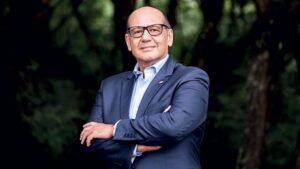
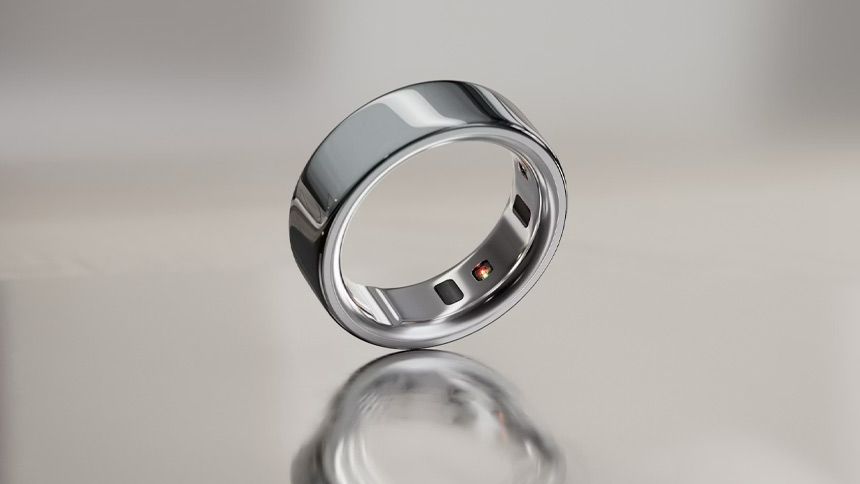
Marathon runner Alexandre Riccio , CEO of Inter , used devices like the Apple Watch and Garmin wearables for years, but never managed to sleep well with them because he found them uncomfortable. Upon seeing executives abroad using Oura Ring, a discreet ring that collects data 24 hours a day, he decided to try it.
Founded in Oulu, Finland, Oura Health grossed approximately US$1 billion last year, doubling its revenue by 2024, driven by its presence on the wrists of celebrities such as Jennifer Aniston, Gwyneth Paltrow, and Michael Dell . The model combines the sale of the device with a monthly subscription for access to more advanced data and analytics.
Today, Riccio insists on monitoring indicators such as readiness, sleep quality, and resilience — which measures how well the body is sustaining the routine throughout the days.
“What’s most impressive is its predictive ability,” he says in a conversation with NeoFeed . “When you travel a lot, sleep poorly, eat worse, and things start to deteriorate. The system anticipates when you are most likely to get sick.”
Technology ended up causing behavioral changes. He increased his average sleep time by about 45 minutes, now sleeping about six and a half hours a night. And the results of more restorative rest were reflected in his daily life: fewer episodes of illness, more control over energy, and a greater sense of predictability. And perhaps just as important is the new social code.
"It's become an icebreaker. Everyone looks at each other's fingers," she says. "There's even a rivalry between those who wear Oura and those who wear Whoop, as if they were two teams."
Tiago Santos, CEO of Danone Brazil, is part of the "team" of Whoop - the main competitor of the Finnish healthtech company, the American company launched a bracelet that measures sleep, effort and recovery.
Three years ago, Santos began paying closer attention to the quality of his sleep after suffering a slow recovery from Covid-19.
Based on the information he gathered, he changed his training schedule – from evening to morning – and began to seek regularity in his routine, with more predictable times for sleeping and waking up.
"In the corporate world, you're an athlete. There will be pressure, stress. The question is how you sustain that, and sleep is central," he says in an interview with NeoFeed .
"There was a phase in my life when I discovered that six hours was enough. Today, I know that eight is ideal and seven is the minimum," he adds.
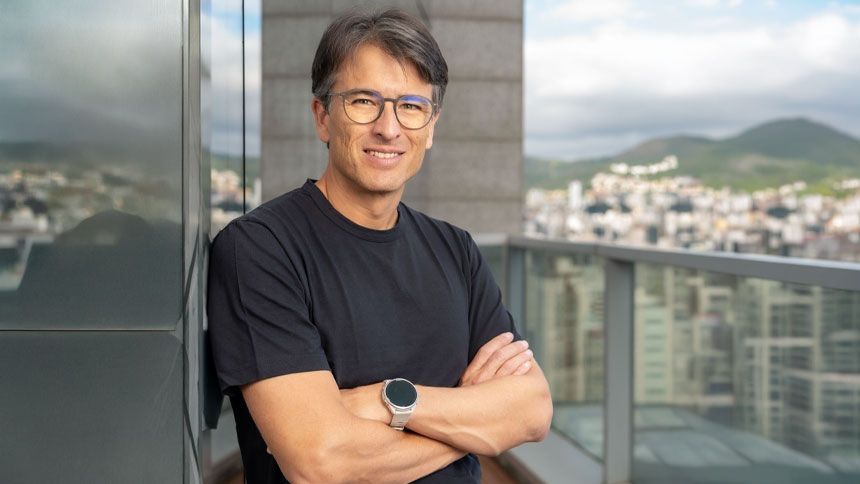
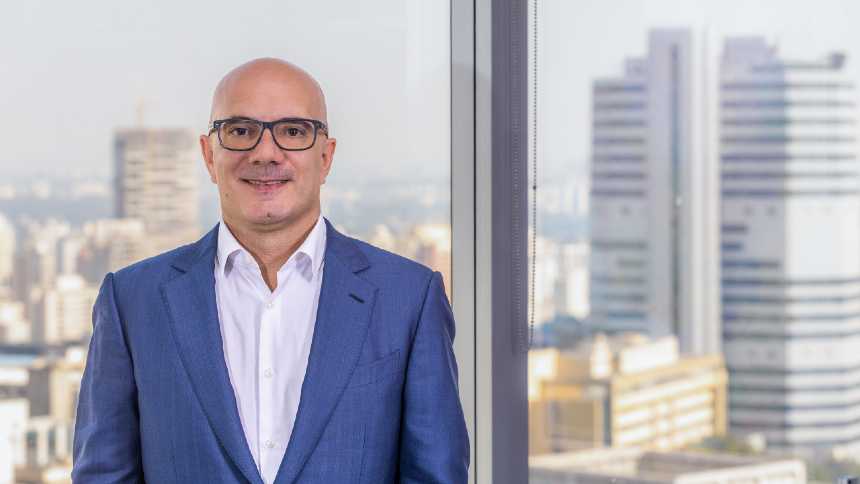
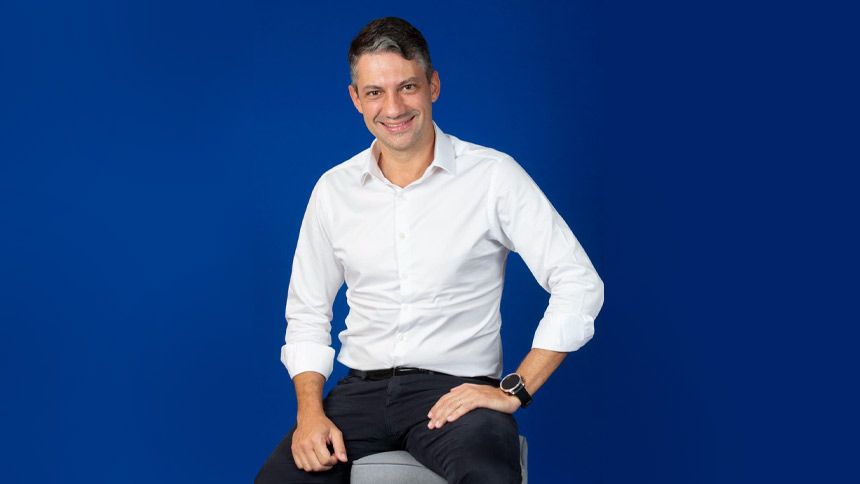
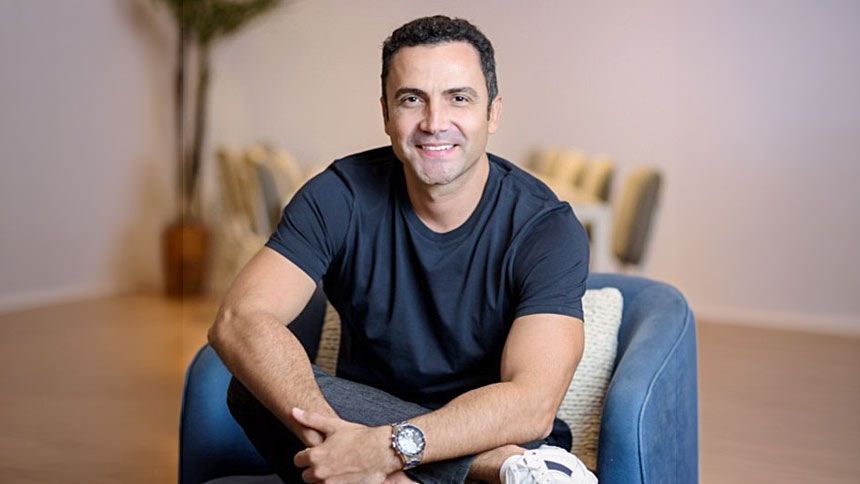
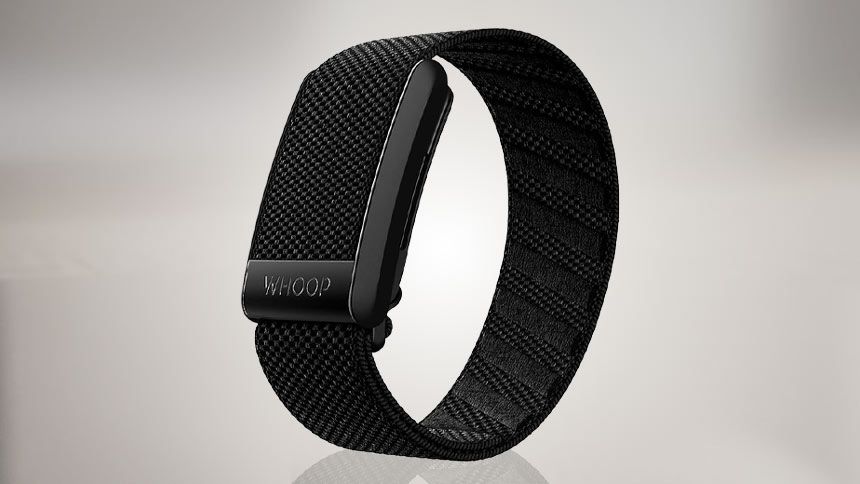
While for some executives measuring sleep quality started as a curiosity, for others it has become almost an obsession. Renato Franklin , CEO of the Casas Bahia group, is one of them. He has used Garmin and Apple Watch simultaneously to compare data. Now, he's using Whoop. "I'm addicted to these gadgets," he tells NeoFeed .
What attracts him is not just the monitoring, but the layer of intelligence, which guides what to do to improve.
“It measures sleep quality, recovery, and also has an LLM that guides you: whether you should train harder, lighter, what the impact of that is on your biological age versus your chronological age,” says Franklin, 45, but with a biological age of 39, according to the device.
"When I started, it was the opposite. It seemed like I was aging faster because I was sleeping too little and training too much."
Amid this rush for assessments, pulmonologist and nutritionist Arthur Feltrin, from the Longevitar clinic, points out that the basics are often neglected – and that, paradoxically, the devices themselves can trigger anxiety attacks, worsening insomnia.
“It’s no use monitoring everything and continuing to sleep poorly,” warns the doctor, in a conversation with NeoFeed . “Reducing screen time, avoiding heavy meals, having a routine… that comes first.”
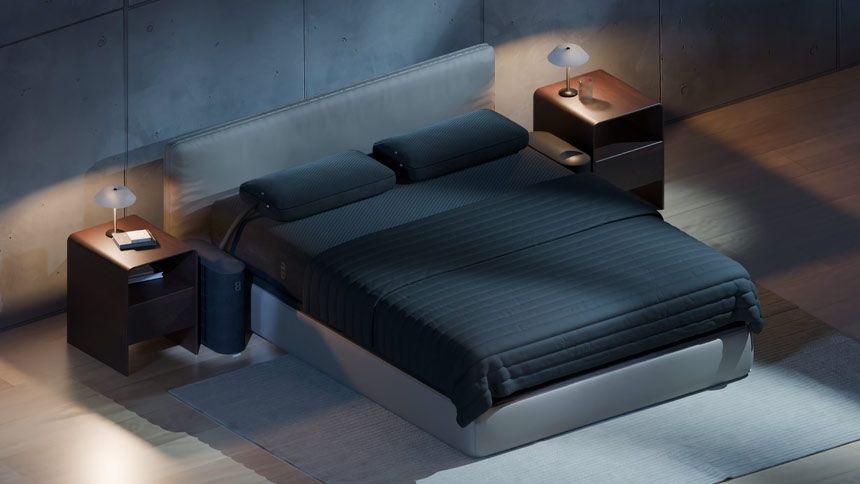
Leonardo Rangel , co-founder of the startup Cortex , reached the stage of sleep monitoring after changing his eating and exercise habits following reading books on longevity. He cut out his afternoon coffee, started eating lighter meals for dinner, then modernized with the Oura Ring, and finally adopted the Eight Sleep technological bed.
“I’ve never felt so quick-witted as I do today,” he tells NeoFeed . “It’s a combination, including sleep, that takes you to another level.”
Founded in 2014, the American company Eight Sleep has already raised over US$250 million and is valued at approximately US$1.5 billion. The company operates with a model that combines hardware and a monthly subscription, offering a system that monitors body temperature, ambient temperature, and sleep patterns, automatically adjusting the mattress to maximize rest.
In practice, sensors installed in the mattress capture data during the night and use artificial intelligence to regulate temperature – one of the most critical factors for deep sleep. The technology also replaces the traditional alarm clock with gentle vibrations and thermal adjustments, making waking up more natural.
“We’re just getting started,” the company’s CEO, Matteo Franceschetti, tells NeoFeed . “We will continue to innovate in our product lines, bringing Eight Sleep to millions of people in new markets around the world.”
Giants like Google , Samsung , and Apple have also been expanding their health offerings, launching new health-related wearable devices and AI services to avoid falling behind in this new era — where competitive advantage is no longer measured in overtime hours but in hours of good sleep.