

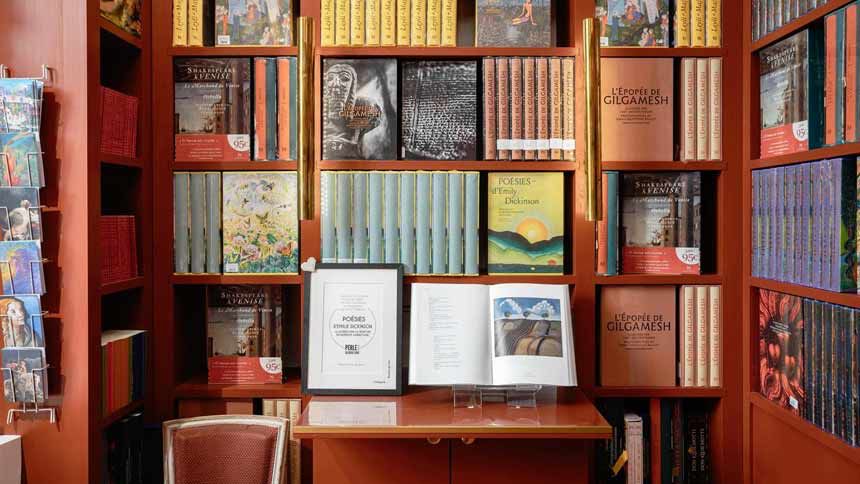
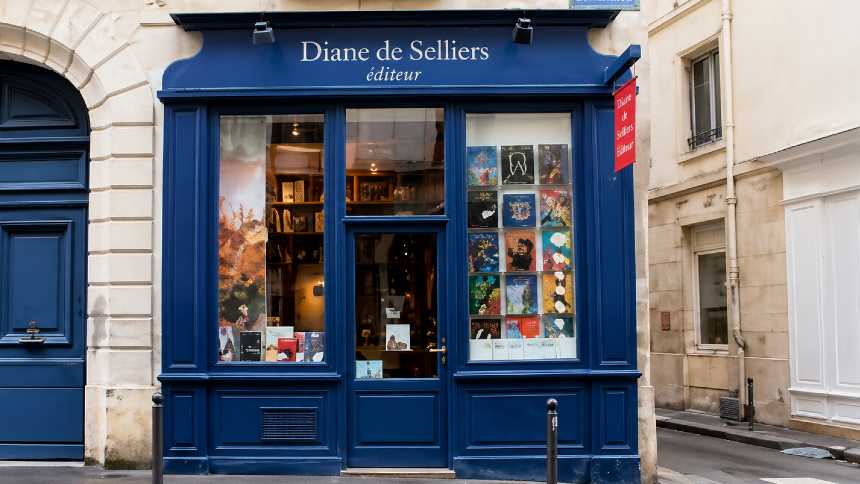
Paris — At number 19 rue Bonaparte, in the Parisian neighborhood of Saint-Germain-des-Prés, a discreet blue door leads to a bookstore where books occupy shelves from floor to ceiling. The editions, all hardcover, are beautiful. Printed in high quality, the pages reveal some of the great works of world literature — illustrated by renowned artists.
There, for example, are Dante's Divine Comedy , with drawings by Botticelli; Goethe's Faust , with works by Delacroix; Shakespeare's The Merchant of Venice and Othello , from the perspective of the Venetian Renaissance; and a selection of 162 poems by Emily Dickinson accompanied by 170 paintings from American modernism.
Those seeking variety might prefer the neighboring Taschen or Assouline stores. At number 19, the scarcity is deliberate. The catalog of 35 titles functions almost as a declaration of principles by the Belgian Diane de Selliers. When founding the eponymous publishing house, her goal was as simple as it was radical: to publish only one book a year.
And so, she transformed a small (and risky) business into a giant of publishing prestige.
Bringing together awards dedicated to art books, Diane de Selliers is one of only three publishing houses that are members of the Colbert Committee. This association, created in 1954 to promote the French art of living , now includes more than a hundred luxury brands and institutions.
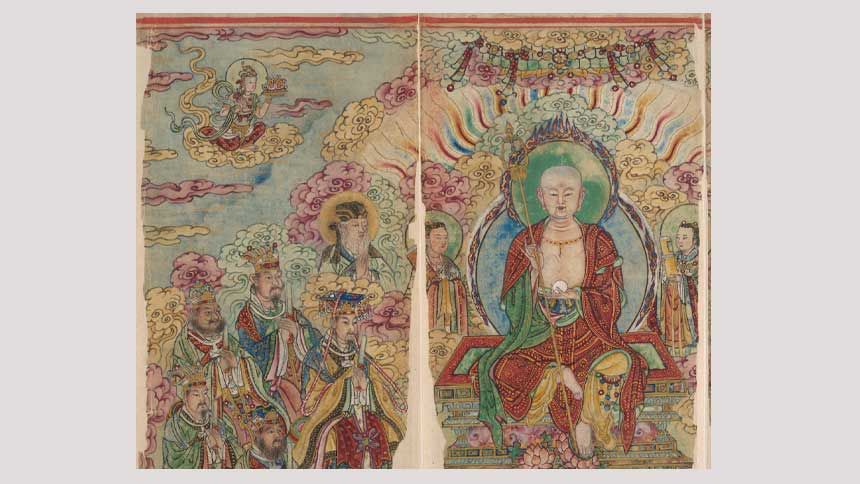
Set to be released in the European autumn, the 2026 book is Le Sutra du Diamant et ses miracles ( The Diamond Sutra and its miracles , in a free translation).
For the first time, a 15th-century Buddhist manuscript has been translated into French, thanks to the work of the Institut Diane de Selliers, an institution that enables the funding of the publisher's research through donations.
With such a slow publication schedule, choosing the annual title is far from trivial. Ideas come from diverse sources: conversations with art experts, meetings with translators, and travels undertaken by Diane.
It is, above all, a decision guided by intuition, supported by the publisher's knowledge and passion for fine arts and literature — traits that shine through in each of her statements.
“Our trump card is that our books are not just books,” she tells NeoFeed . “They are works of art. When you have them in your library, you own a collection of patrimonial value.” The price of the editions reflects the status their owner confers upon them: between €200 and €300, but some can reach almost €1,000.
Financial stress
In an industry as challenging as the publishing market, publishing just one book a year means living under constant financial stress—especially if annual revenue doesn't reach €1 million, as is the case with Diane de Selliers.
Producing high-quality editions is expensive: between €120,000 and €150,000, not counting the time dedicated to each project. For a small publisher with limited print runs, around 3,000 copies, it's a significant investment.
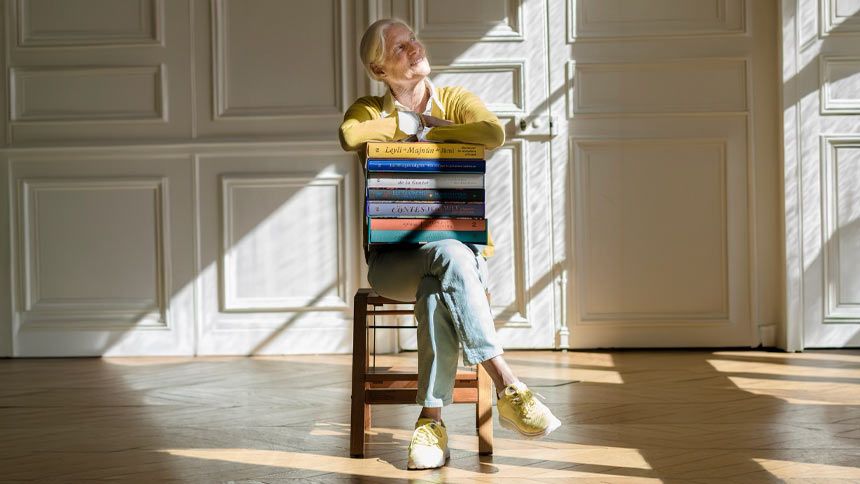
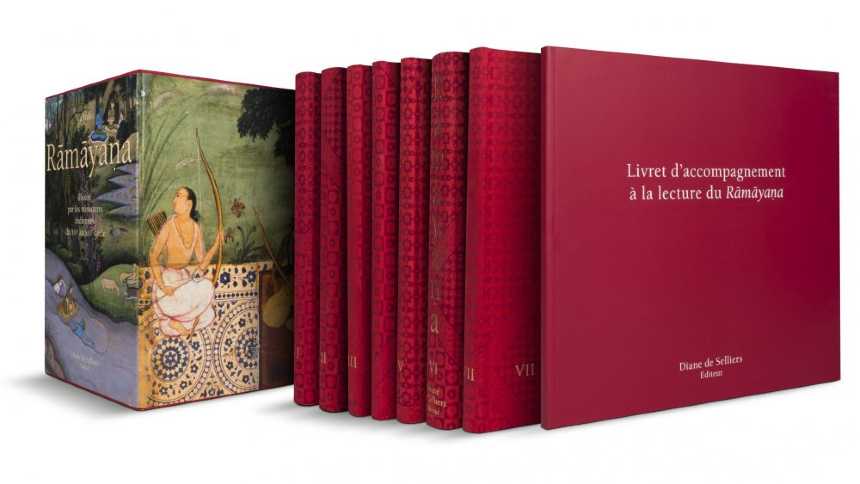
His most ambitious work, the Valmiki Ramayana , for example, took about ten years to complete. It consists of seven volumes of the Sanskrit epic, composed between the 5th and 1st centuries BC.
The negotiations for the 660 16th-century Indian miniatures that illustrate the books took place in several countries and even involved the Maharaja of Japuir, says Diane. The collection was launched in October 2011, at €950.
The scientific rigor, aesthetic flair, and audacity of the project nearly bankrupted the publishing house after modest commercial success—the 3,000 copies were sold over several years.
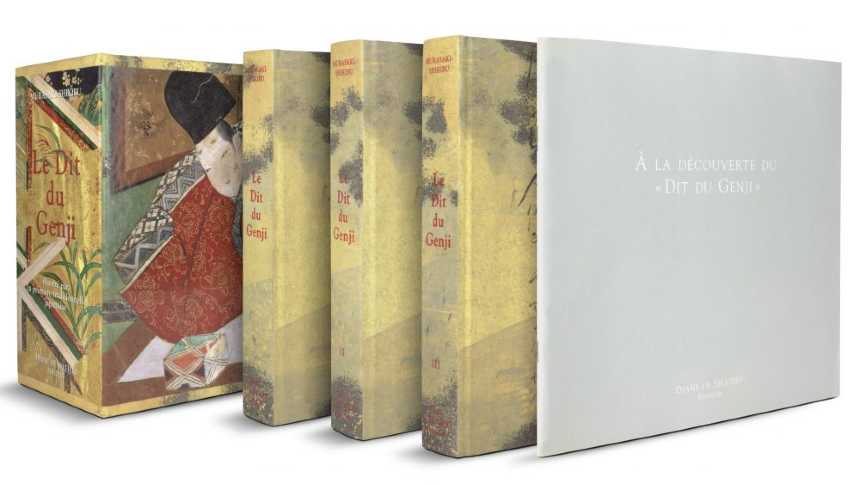
In Diane's metrics, success is defined as when an edition sells out before the release of the following year's book. But there are exceptions. Murasaki- Shikibu 's Le Dit du Genji sold out its entire print run in just three months, despite costing €490.
Written in the early 11th century and set in medieval Japan, it is considered the world's first psychological novel. In the Parisian publisher's edition, the work comprises three volumes and 420 traditional Japanese paintings.
Despite the challenges, Diane remains firm in her decision to publish only one book a year. Once, when requesting a loan from the Centre National du Livre, an agency of the French Ministry of Culture that supports the entire book industry in the country, she was told by the institution that the funding was risky, but Diane de Selliers "could not leave the French publishing landscape."
La Petite Collection
To maintain the financial viability of the business, Diane adopted a series of strategies.
Starting with the time of year when the title is released. "Always in the [European] autumn, because it's the time for gifts, when everyone talks about art books," he explains.
Furthermore, the team is very lean. There are three people, coordinated by Josephine Barbereau — who has been with the publishing house for 20 years, starting as an intern and now as CEO. Translations and photographs are done by independent professionals.
Despite being located in one of the most prestigious areas of Paris, the rent is reduced thanks to a municipal policy aimed at keeping bookstores and publishers in Saint-Germain, considered the district of literary professions . Diane has been on rue Bonaparte for 15 years.
The company remains a niche publisher, needing to plan for the long term to ensure its survival until the next publication. In 2007, also as a business strategy, Diane launched La Petite Collection , the more accessible and compact line of the main collection.
With larger print runs, each copy costs around €60. The 35 titles in the current catalog also include books from the smaller collection.
In smaller stores, titles are restocked whenever they run out, but in larger stores, if it's gone, it's gone. That leaves only collectors' platforms, where a Diane de Selliers book can fetch several thousand euros.
After exploring the literature and art of Europe, the Middle East, and the Far East, and having ventured a bit into North America and Africa, Diane is thinking about doing something about Latin America. But, for now, no work has inspired her.
Accustomed to coming to Rio de Janeiro where she has family, she is interested in Brazil and would like to publish a book dedicated to the country's ethnic mix.