

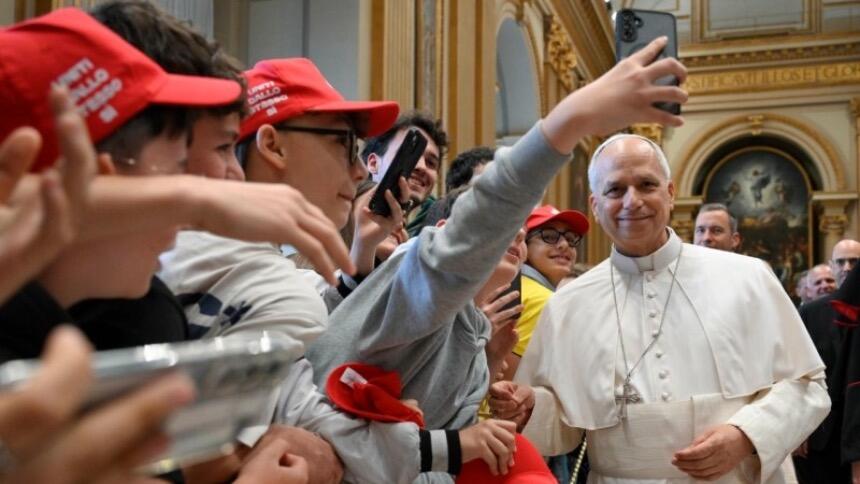
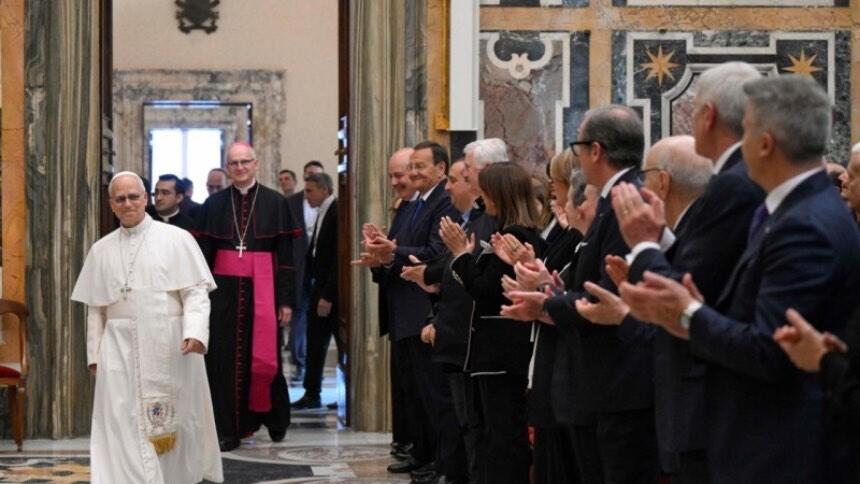
Rome - After a period marked by geopolitical projection and intense political engagement on the international stage, the pontificate of Leo XIV moved towards a gesture of institutional stabilization and historical projection. The publication of the encyclical Magnifica Humanitas is seen as the first major cornerstone of his magisterium.
Scheduled for release next Monday, May 25, according to Vatican sources cited by NeoFeed , the document is expected to delve deeper into discussions about how technology, especially artificial intelligence, is transforming society—particularly labor relations and the concept of family unity.
More than ten years ago, during the papacy of Francis , a Vatican commission went to Silicon Valley in the United States to understand this movement, when it was still called the "cognitive industrial revolution." It is speculated that Leo XIV's text, of about 200 pages, aims to address the "shocking consequences" that are to come.
With this milestone, the Pope, a mathematician by training, prioritizes human dignity in the world of AI.
While his moral authority on the global stage was previously considered less significant, the encyclical now reinforces Leo XIV's role as a leader who seeks to guide the ethical direction of technological development.
On Sunday, May 17, at events in the Vatican, he encouraged “forms of communication that always respect the truth of the human being” and warned of the risks of diminishing creation in the face of AI. As he stressed, the goal is not to “curb technological innovation,” but to “guide it” so that it respects this value.
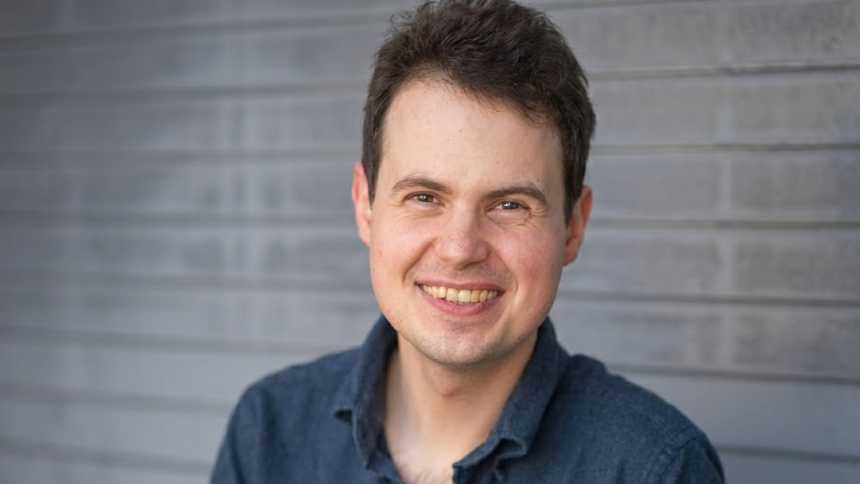
The encyclical will be presented by a multidisciplinary panel chosen by Leo XIV. Among the religious figures and theologians is Canadian businessman Christopher Olah, co-founder of Anthropic . The presence of a single technology company among the consultants is causing concern among experts. The fear is that this visibility could be used for social washing practices.
Based in San Francisco, the startup behind the chatbot Claude has become one of the leading voices in Silicon Valley advocating for safer, more transparent AI aligned with ethical principles, which has brought it closer to the concerns of the Holy See.
Olah's research into AI interpretability seeks to make models more auditable and understandable—a stance that has put the company on a collision course with the Donald Trump administration .
Global influence
To understand the scope of Leo XIV's choice of the theme of IA, it is necessary to understand what an encyclical is within the Catholic tradition.
Developed through a collective process with contributions from experts, it is one of the most important papal records. Although addressed to bishops, it has a global reach and serves as doctrinal, moral, and social guidance on central societal issues throughout different eras.
“An encyclical is not just a document for Catholics; it inspires guidelines throughout the ages, serving as an ethical and political reference during moments of historical transformation,” says Lafayette Pozzoli, professor of Philosophy of Law at PUC São Paulo and postgraduate of La Sapienza University in Rome, to NeoFeed .
The first reference is Rerum Novarum (Of New Things) , published by Leo XIII in 1891, at the height of the Industrial Revolution. It emerged in a context of intense exploitation of factory labor, rural exodus, and a lack of social protection, introducing concepts such as the dignity of the worker and the "common good."
According to Pozzoli, these principles ended up influencing the formation of labor laws and the legal culture itself in different countries.
Next came Pacem in Terris ( Peace on Earth ), published in 1963 by Pope John XXIII, amidst the tensions of the Cold War and the Cuban Missile Crisis. The encyclical is said to have contributed to consolidating the international language of human rights, engaging with the evolution of international pacts signed in the post-war period and with the incorporation of these principles into national constitutions.
Another example is Populorum Progressio ( On the Progress of Peoples ), from 1967, by Pope Paul VI, in which development is defined as "the new name for peace." The text influenced the formulation of development policies, state planning, and the creation of Justice and Peace commissions in several countries—notably its role in Brazil during the military dictatorship.
More recently, in 2015, Pope Francis's Laudato Si' ( Praised be You ) became a global landmark on sustainability by bringing together ecology, inequality, and collective responsibility for the planet, engaging with multilateral agendas such as the Paris Agreement .
Protecting the future
Beyond the doctrinal dimension, the Vatican's rapprochement with algorithmic systems is also seen as a strategic move to establish the Church's cultural presence in the 21st century.
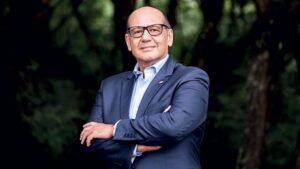
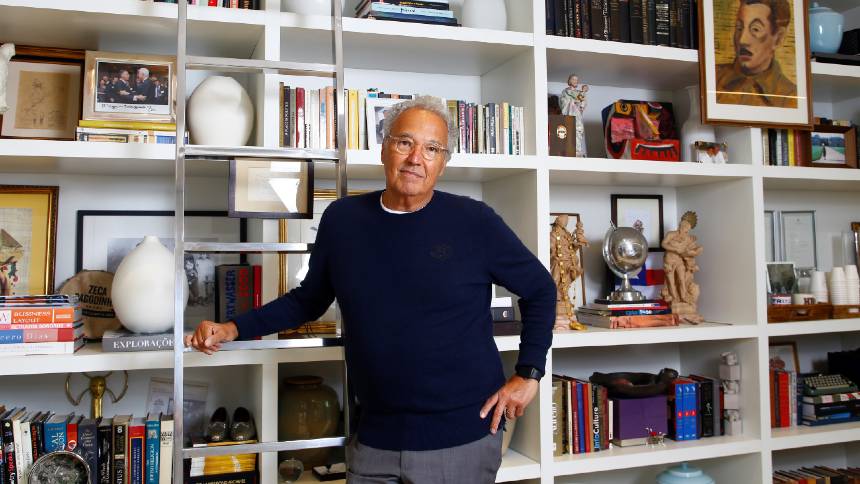
For advertising executive and businessman Nizan Guanaes, invited by the Vatican to speak on the topic at an event in June, the Holy Father's decision to dedicate an encyclical to AI confirms that "artificial intelligence has ceased to be a technological issue and has become a human issue, and therefore a spiritual and ethical one," he says in a conversation with NeoFeed.
Guanaes sees the new frontier as an extraordinary tool for rapprochement. He recalls that Jesus said, "Go and proclaim." Christ was a modern communicator. He expressed himself through parables with simple, emotional content that was understandable to everyone.
The Christian sphere has always been a huge platform for expression, he says. "Perhaps this is the greatest opportunity for the Church since the printed Bible," Guanaes states.
He believes that the Vatican's challenge will avoid both a catastrophic tone and a naive stance towards innovation. The main contemporary question, he argues, is no longer "what can these systems do?", but "what will they do to us?".
According to the businessman, the current pontificate looks to the future without abandoning traditions: “The Church is often seen as the guardian of the past, but this new digital frontier can give it the unprecedented opportunity to also be a protector of the future.” Safeguarding today and tomorrow the Magnificent Humanitas, the “magnificent humanity.”