


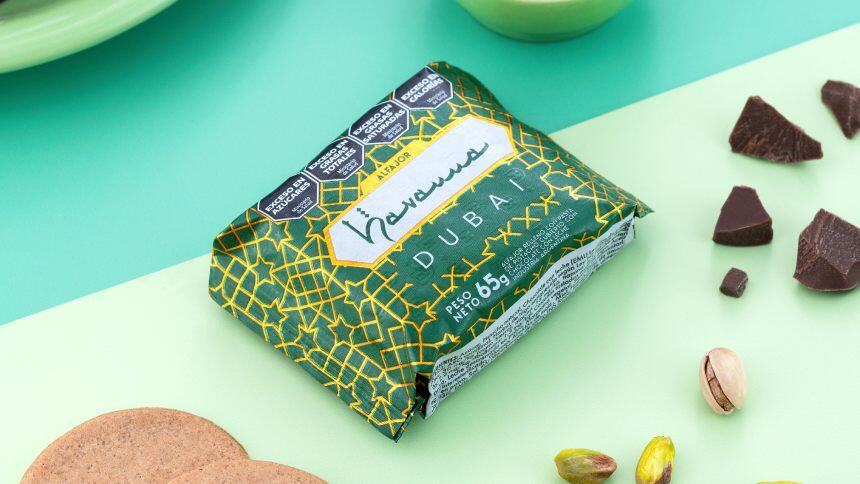
The largest operation outside its Argentinian headquarters, the Havanna chain in Brazil has yielded to the public that uses slimming pens to adopt a more fitness-oriented lifestyle. Known worldwide for its alfajores, the company will launch a dulce de leche protein ice cream in Brazilian stores in August.
The increased use of GLP-1 hormone analog medications has intensified the demand for more protein, precisely to support weight loss without muscle mass loss. And it was along this path that the bakery decided to venture.
With its "fitness menu," which also includes other products with reduced amounts of sugar, the company expects to reach revenues exceeding R$ 500 million in Brazil by 2026. Last year, revenue was R$ 420 million—representing an increase of almost 20%.
“I need to research and adapt to the needs of the people who are using these pens today,” says Adriana Villela, general director of Havanna in Brazil and founding partner of the brand in the country, to NeoFeed . “That’s why we thought about bringing a line with protein.”
The expectation is that the new product alone will represent about 20% to 30% of the ice cream segment's revenue, the executive adds. Today, the chain offers 14 flavors in the country: "If people are concerned about being healthier, our role is to meet the expectations of all demands."
The company offers sugar-free, lactose-free, and gluten-free items. "For those seeking to increase muscle mass, we started offering protein bars and, this year, we launched a gummy with creatine [chewable supplement] ," says Villela.
Currently, Havanna has 250 stores in Brazil, including 150 coffee shops and 100 ice cream parlors —with more artisanal lines. And, in its expansion plan, the goal is to open 50 more units by the end of the year. Most will be in a hybrid format, combining both types of operations.
The investment volume comes from the franchisees. With the new stores, the expansion is expected to cost R$ 25 million in 2026, considering an average cost of R$ 500,000 per unit.
The concept for the ice cream shop, which celebrated its first year of operation in June, came from Villela. Brazil is the only country among the 12 that have Havanna stores worldwide—including Argentina—that offers the product. Since the start of the new business, the chain has already sold more than 1.2 million units of ice cream.
“It was my idea. On my trips abroad, I've seen an increasing consumption of ice cream as a dessert,” she says. “In Argentina, they also consume a lot of it. But Havanna there is very focused on alfajores. And I brought that to Brazil.” For now, there are no plans to take the model to other countries.
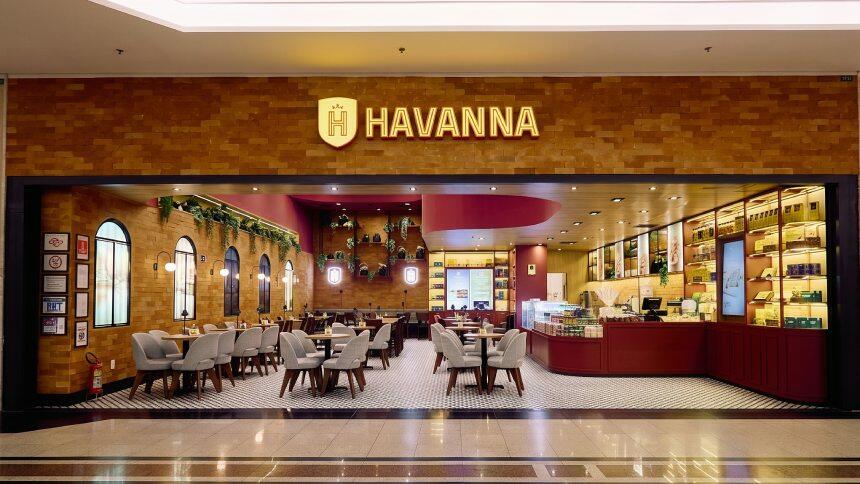
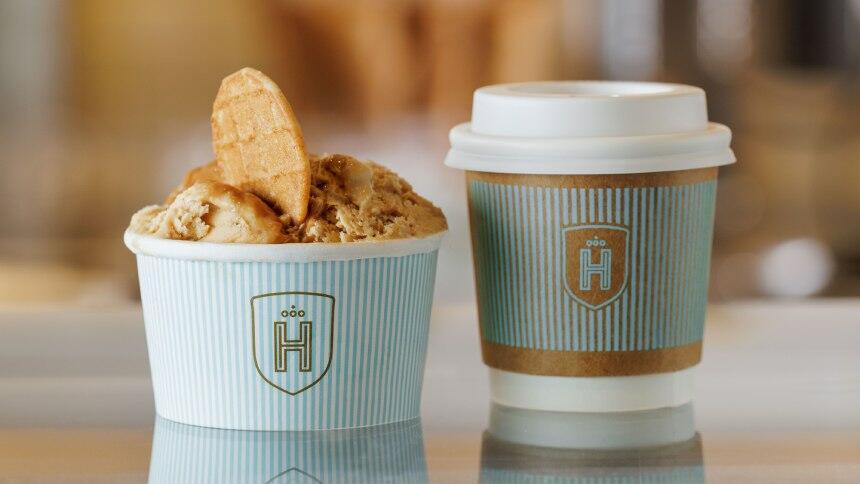
Although it already accounts for a third of the units in the country, ice cream parlors currently represent about 10% of the company's total revenue. The businesswoman's goal is for this division to reach 50% within two years, at which point Havanna should have 500 units in Brazil. Almost 200 are already under negotiation.
Also in the second half of the year, the Brazilian Havanna store will begin receiving an exclusive line associated with the Argentinian star Lionel Messi , who frequently posts pictures of the alfajores on his social media.
The products will arrive in stores in September and distribution will be global. "He is very respected and is a fan of Havanna products. There is a synergy between the two," he explains.
Unlike alfajores, which are imported from the Argentinian factory in Mar del Plata, the production of dulce de leche, the best-selling item in the stores, has been national since 2022.
“The complexity of production and the investment for a factory are very high. In addition, there's the tradition of alfajor being produced in Argentina. We will continue to import them from there,” he states.
The gelato flavors offered in Brazil are made by the Paraguayan company Amandau, which opened a location in Campo Grande, Mato Grosso do Sul, last year.
Havanna arrived in Brazil 20 years ago, in 2006. Currently, the national operation sells more than 600 tons of dulce de leche per year and about 400 tons of alfajores.