

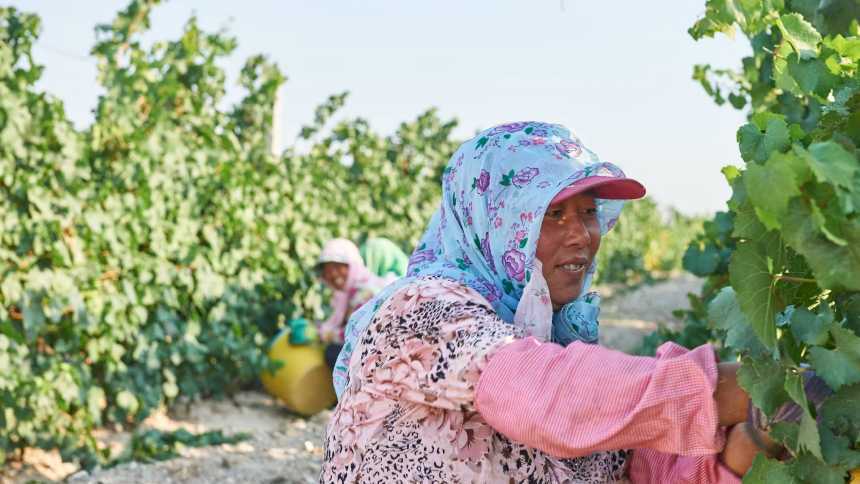
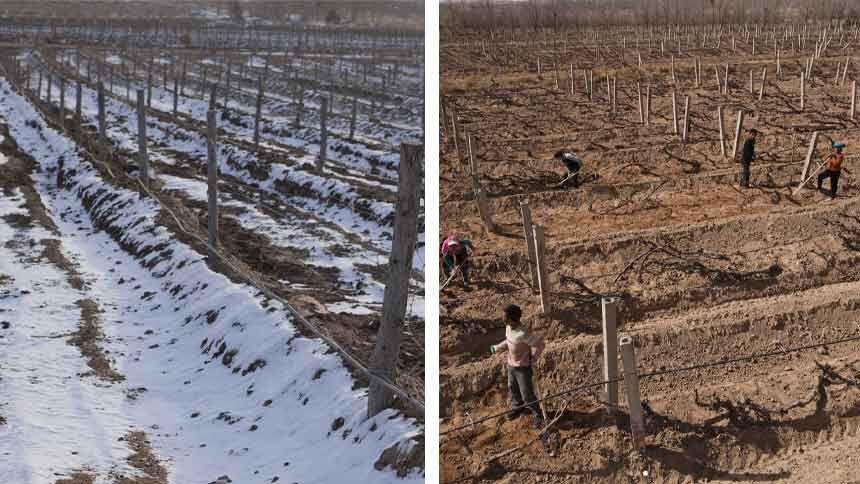
Every autumn, after the harvest in Ningxia, northern China, millions of vines are pruned. Workers detach each plant from its trellis and bend the trunks close to the ground, covering them with soil to protect them from the -20 degree Celsius cold until spring.
Known as vine burial , the technique is common in regions with extreme winters. In Ningxia, however, the scale of the operation is impressive: almost 40,000 hectares of vineyards , an area equivalent to the entire surface area of vineyards in New Zealand. Even more surprising is the speed with which the province, nestled between the Gobi Desert and the Helan Mountains, has gained international recognition for its wines.
“China is a continental country and could have several terroirs where viticulture could flourish, but Ningxia was chosen to be the jewel in the crown,” explains Diego Arrebola, three-time Brazilian sommelier champion, in an interview with NeoFeed .
"Quality lies not in the technique employed, but in the dry climate, the health of the grapes, the temperature range, and the balanced ripening," he adds.
Since 2011, the region has been accumulating honors in some of the world's most important competitions. In June, for example, Ningxia accounted for half of the 214 awards won by China at the Decanter World Wine Awards 2026 — in 2015, there were only 33.
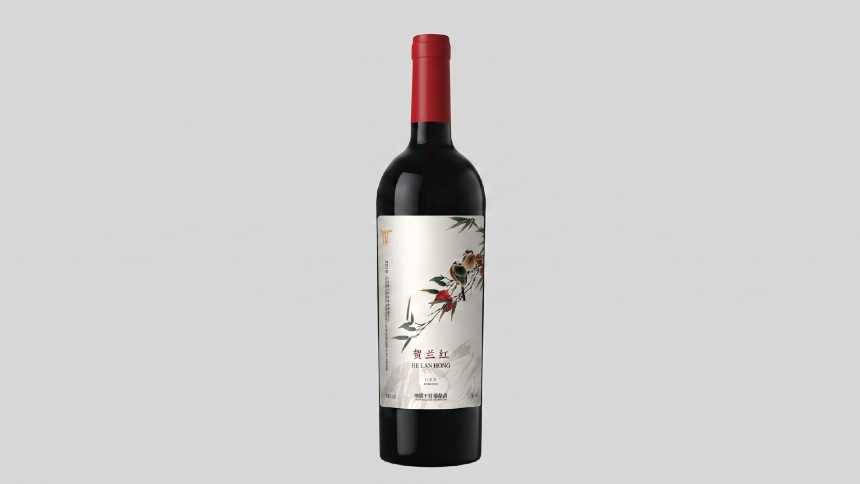
Among the highlights is the Helanhong Jiangnan Reserva Tinto 2019, from the state-owned Helanhong winery. Made with Cabernet Sauvignon, Merlot, and Cabernet Franc, the label received the Platinum medal with 97 points in the competition — a distinction granted to few.
The prestige earned by the terroir stemmed from a radical transformation of the landscape. For decades, Ningxia lived off pastoralism, subsistence farming, and then coal mining. Intensive exploitation left craters up to 40 meters deep, worsened air pollution, and accelerated desertification.
In the late 1990s, the government bet on viticulture as a barrier against the advance of the desert, bringing water from the Yellow River to the vineyards and offering tax incentives.
140 million bottles
Investment in infrastructure and research has paid off. In 2011, Helan Qingxue won the Decanter International Trophy. In the same year, four Ningxia labels were among the top five in a blind tasting with French and Chinese tasters. From then on, the region became known as the " Bordeaux of China".
“The comparison made sense at first, due to the dominant presence of Cabernet Sauvignon and Merlot. But today it no longer fully reflects reality,” assesses the sommelier. “In addition to the wide variety of grape varieties, the best wines have their own characteristics, with more intense fruit, ripe tannins, and an expression linked to the dry climate and high luminosity.”
Currently, the 130 wineries established in Ningxia produce 140 million bottles per year — equivalent to 50% of all Chinese national wine production.
Although the main focus is the domestic market, part of the production already reaches around 40 countries. France, the United Kingdom, Hong Kong, and Macau account for half of the strategic exports that are crucial for the international projection of Ningxia wines.
All of this machinery is made possible by a governmental model. Since all the land belongs to the State, the government prepares the infrastructure—clearing the land, building irrigation canals, and installing the power grid. Then it leases the plots at low prices to attract private capital.
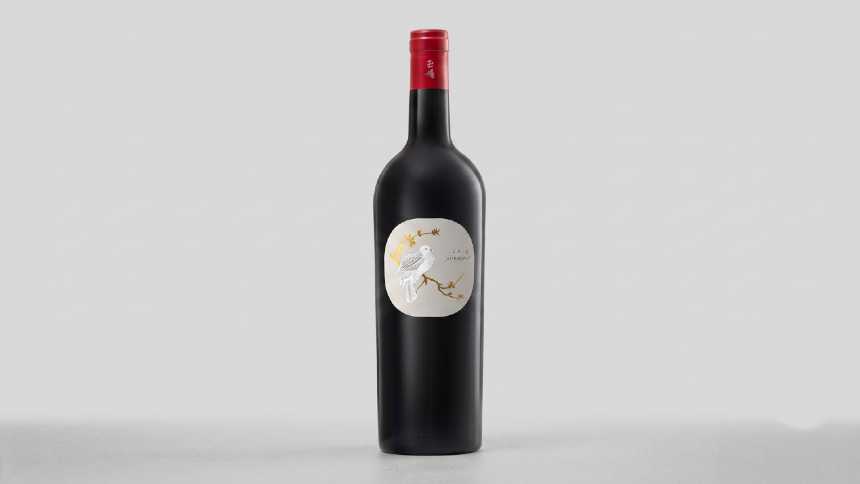
This is the case with the Xige Estate winery, founded in 2017 by winemaker Zhang Yanzhi. Its red wine, Jade Dove Single Vineyard (US$45 to US$60), gained global prominence in April 2023 when it was served at the official dinner welcoming President Emmanuel Macron . The French leader enjoyed the wine so much, characterized by herbaceous notes, leather, strawberry jam, and fine tannins, that he requested several bottles to take home.
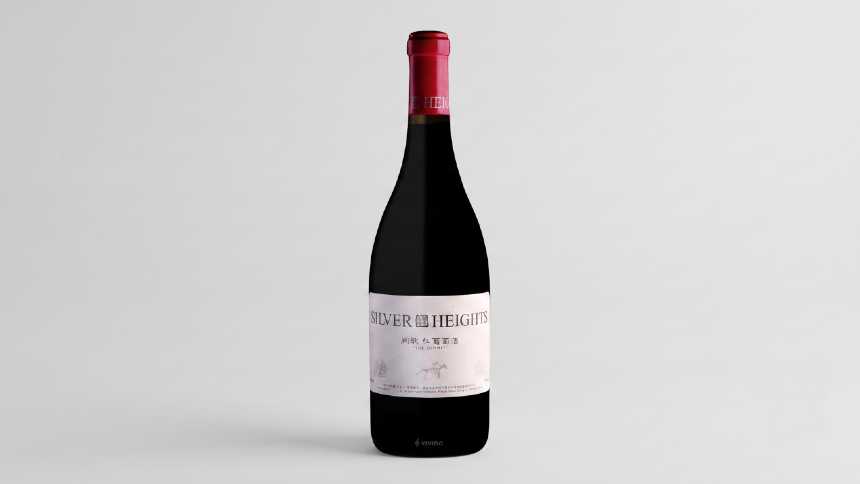
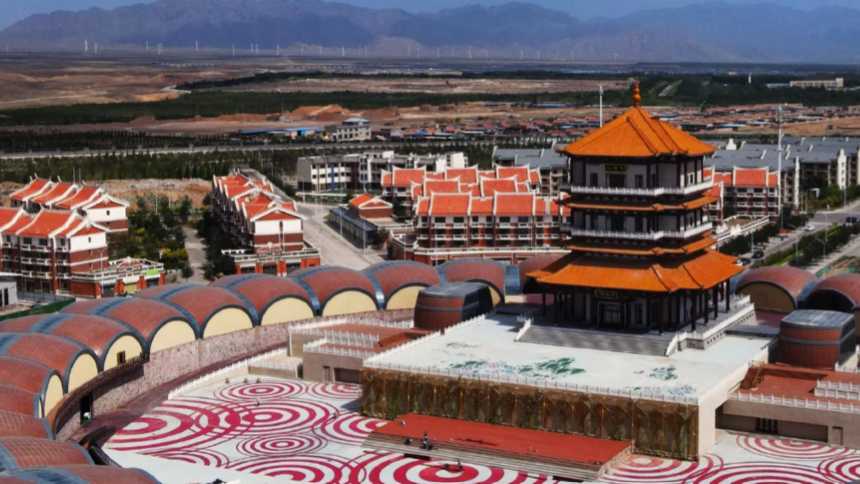
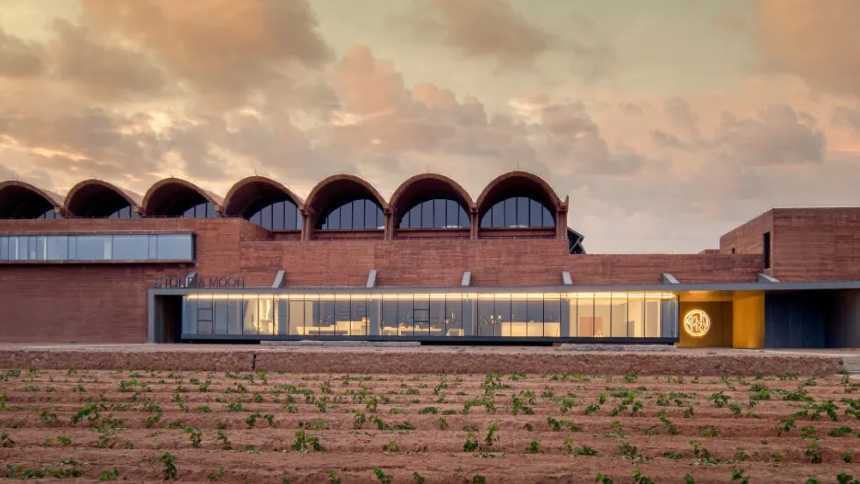
There are also family-run producers in the region. Among them is the pioneering Silver Heights. Founded in 2007 by Emma Gao, the winery achieved cult status with its label The Summit (US$ 80), a blend of Cabernet and Merlot.
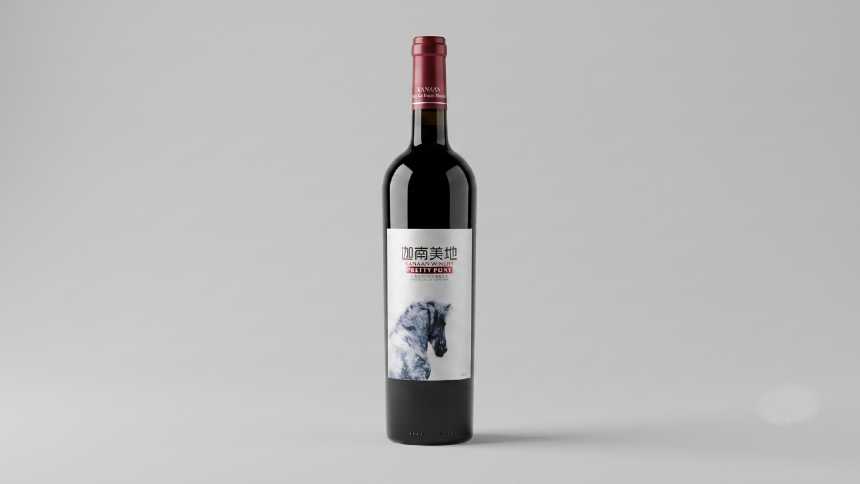
Alongside it, prestigious independent projects like Kanaan Winery, by winemaker Wang Fang, have consolidated the reputation of the province's auteur producers. Their highlight is the award-winning red wine Pretty Pony (around US$50), a blend of Cabernet Sauvignon and Merlot marked by aromas of fresh blackcurrant, coffee, and dark chocolate.
Ningxia also attracted international giants. The French company Pernod Ricard took over Helan Mountain, where it produces the Helan Mountain Grand Reserve red wine (between US$60 and US$80). LVMH founded Chandon Ningxia, whose flagship wine is Chandon China Brut (between US$25 and US$35).
And in 2025, the Australian company Treasury Wine Estates bought 75% of Ningxia Stone & Moon for approximately US$18 million to produce Penfolds CWT 521 (US$120). This was a strategy to reduce the group's exposure to geopolitical instability—years earlier, China had imposed tariffs of 218.4% on Australian wines.
Signature grape
With the maturation of local viticulture, the challenge now is to build an authentic identity of origin. And the bet is on Marselan as the signature grape.
Created in France in 1961 from a cross between Cabernet Sauvignon and Grenache, this variety has never been a protagonist in traditional wine regions. But in Ningxia, it has adapted very well, giving rise to concentrated wines with a deep ruby-purple color, very sweet tannins, and floral aromas of violets.
Today, around 4,000 hectares of Marselan are cultivated in China, making the country the second largest producer of the grape variety, behind only France.
Although it occupies only 5% of Ningxia's vineyards, wines made with this variety have been winning major awards in international competitions since 2017 and are increasingly appearing on James Suckling's list of the 100 best wines in China, one of the world's most influential critics.
Despite its international prestige, tasting Chinese wine—even the famous ones from Ningxia—is still for the few. The wine's presence abroad remains strategic and focused on the ultra-premium segment .
“The region has already proven that it can produce great wines,” says Diego. “The challenge now is to get consumers to buy a Ningxia wine not because it reminds them of another terroir , but because it expresses something unique.”