

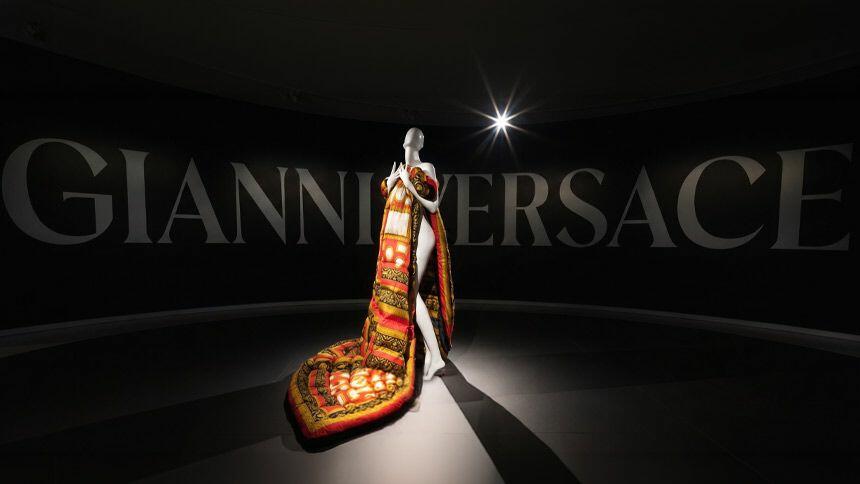
Paris - Italian designer Gianni Versace made fashion history in the 1980s and 1990s by bringing haute couture closer to the world of pop culture and transforming fashion shows into grand spectacles. This creative journey, which set Milan and Paris abuzz with excitement at each presentation, is retraced in an exhibition at the Maillol Museum in the French capital.
Featuring approximately 450 pieces from private collectors, the exhibition takes place at a time of transformation for the brand. Acquired by Prada last year for €1.2 billion, Versace is preparing its return to haute couture, announced for early 2027, after a decade away from the Parisian catwalks. Next year marks three decades since the designer's death.
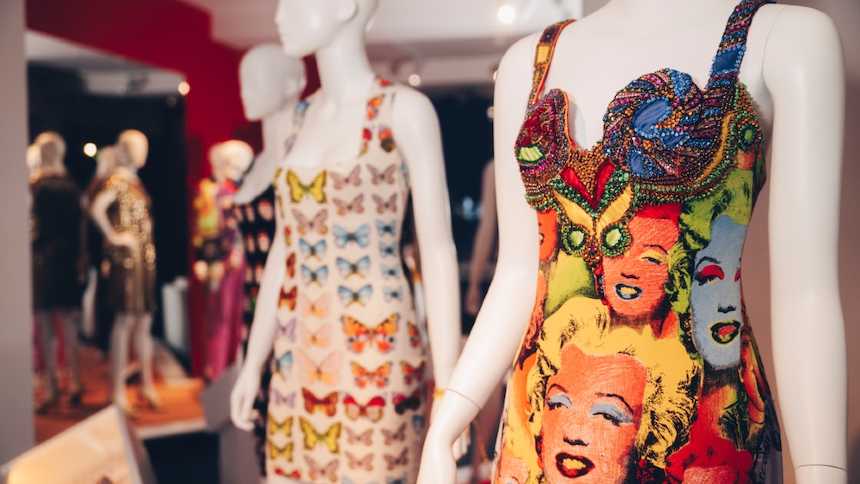
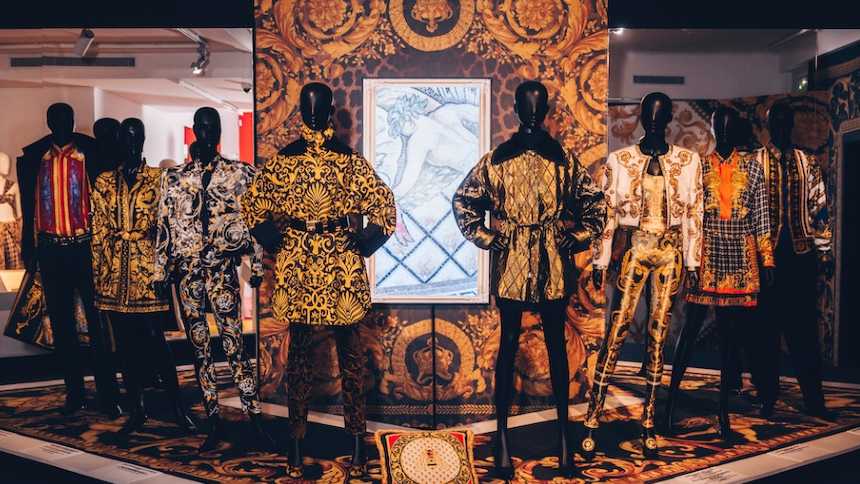
On display until October 31st, the exhibition presents and highlights Versace's diverse sources of inspiration. The exhibition is organized around the main references that shaped his work: Ancient Greece, the opulence of the Baroque, references to punk and pop art (including Andy Warhol's Marilyn Monroe prints), architecture, and the lifestyle in the American seaside resort where he lived for the last six years of his life.
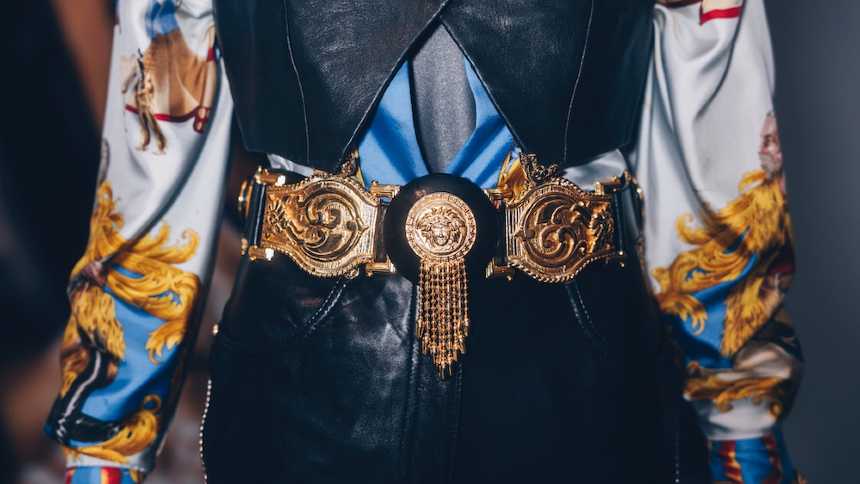
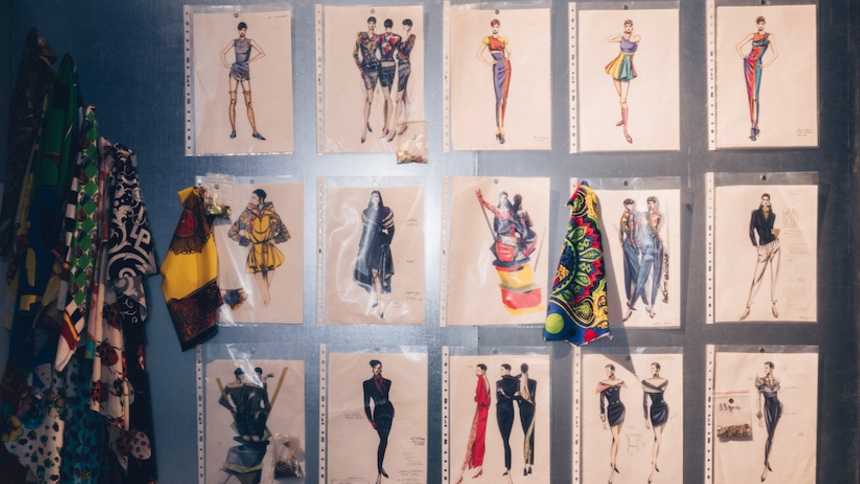
The Gianni Versace Retrospective presents clothing, including pieces acquired at auctions, displayed without windows, allowing visitors to observe the details of the garments up close, as well as accessories, sketches, decorative objects, videos, and photographs taken by leading figures in the world of high fashion—such as Helmut Newton, Richard Avedon , Irvin Penn, and Mario Testino .
“Vulgar? Perhaps I simply dared. And those who dare obtain excellent results,” the designer used to say, known for his creations with exuberant and colorful prints, also marked by a sensual style.
Versace took his first steps in fashion as a fabric buyer for his mother's sewing workshop in Reggio Calabria, his hometown. In the early 1970s, he settled in Milan, where he worked for different brands until creating his own label in 1978.
From the start, he drew attention for an aesthetic that combined erudite and popular references, exuberant prints, and vibrant colors. While some European fashion embraced sobriety, Versace celebrated the female body with tight, ultra-short dresses, slits, and plunging necklines.
Within a few years, he was already one of the leading names in Italian fashion. He opened boutiques around the world and established an immediately recognizable aesthetic.
In 1986, he received a medal from the then-mayor of Paris, Jacques Chirac. It was the first honor of its kind awarded by an authority in the French capital to a foreign designer, Vincent Barreneche, project manager at Caramba, the production company responsible for the retrospective in France, tells NeoFeed .
Courage for the new
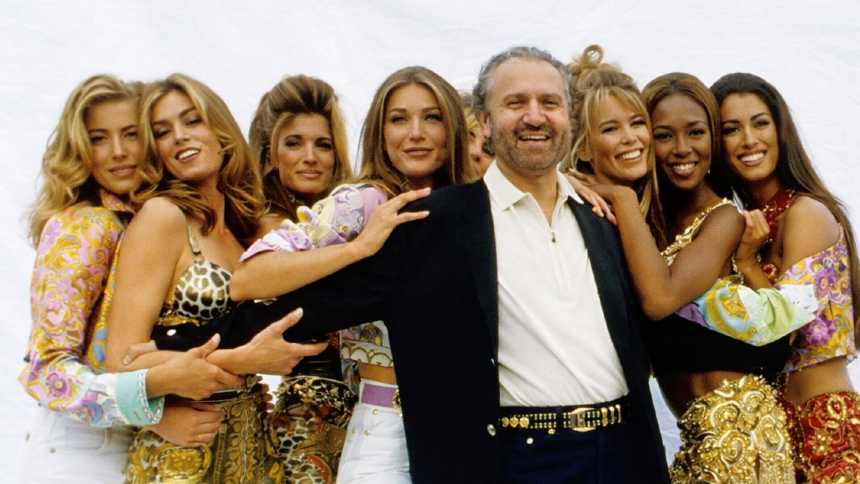
Versace was one of the first major designers to transform fashion shows into pop culture events. He also brought his creations closer to artists, musicians, and a generation of supermodels he helped launch in the early 1990s, such as Cindy Crawford, Naomi Campbell, Claudia Schiffer, and Linda Evangelista.
Elton John, Prince, Madonna , Sting, George Michael, and even Princess Diana are some of the celebrities who have graced Versace's creations with their presence.
"The shows at the Ritz looked like a rock concert, with an audience of stars," says Barreneche, citing the usually unusual presence at such events, such as actor Sylvester Stallone. "Versace would have the hotel pool covered. There was a touch of originality in the concept of the shows at the time."
The exhibition also highlights the importance of Paris in the designer's career. His haute couture line, Atelier Versace, was created in 1989. Subsequently, from 1990 until his death in 1997, the brand presented two haute couture collections per year in the city.
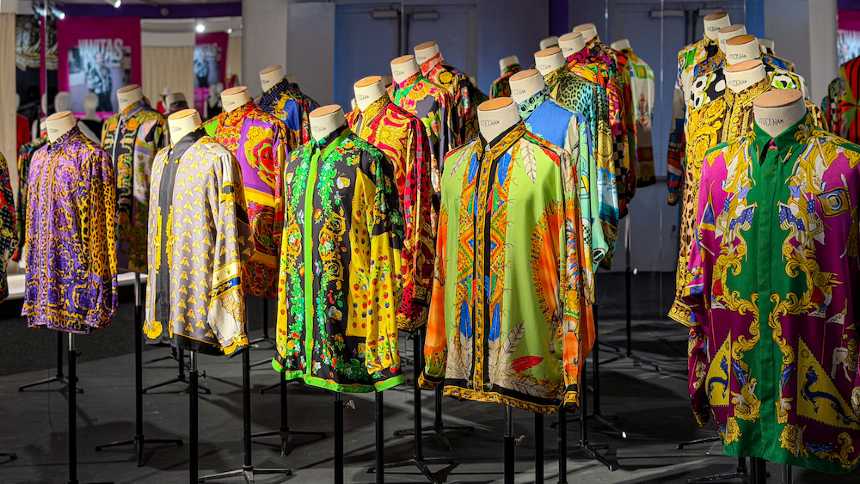
The Parisian exhibition couldn't be without the ultra-colorful silk shirts, one of Versace's most recognizable creations, with prints that combine references to the Baroque, Antiquity, and contemporary visual culture, as well as, of course, Medusa, the brand's emblem.
There are also items from the home decor line, launched in 1994, an idea the designer had during the massive restoration work on Casa Casuarina in Miami Beach.
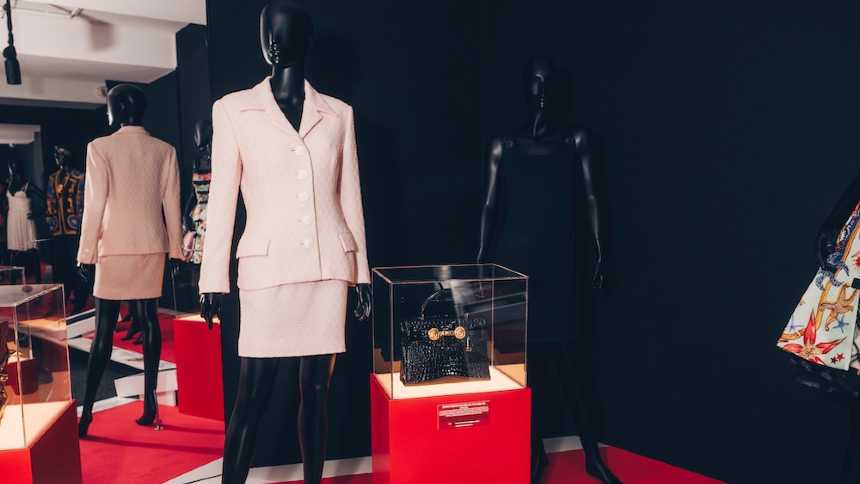
But not everything in Versace's creations was just exuberance. From 1995 onwards, he took a turn with suits and dresses in a minimalist style, but at the same time feminine and with sophisticated cuts and fabrics.
"In fashion, you always have to move forward," the designer said about the style change. "You need the courage to propose something new."
The murder
Versace was shot dead on the morning of July 15, 1997, while opening the gate of his mansion in Miami Beach. He was 50 years old and at the height of his career. The murder inspired a Netflix series in 2018, which was contested by the designer's family, who classified the production as a work of fiction and always denied any connection between the designer and the assassin. To this day, the motive for the crime remains shrouded in controversy.
After his death, the creative direction of the brand passed to his sister, Donatella Versace, who remained in charge for almost three decades and preserved the founder's legacy, adapting the brand to the transformations of the fashion industry.
Now, the transformation is happening at Versace itself. With its acquisition by Prada, the brand has returned to the control of an Italian group after seven years under the American company Capri Holdings. According to Vogue France , the period was marked by a drop in sales and the absence of a clearly defined brand identity.
After Donatella's departure in March of last year, and the brief tenure of Dario Vitale, who designed only one collection, Versace recently announced Belgian designer Pieter Mulier as its new artistic director.
His mission will be to reposition the brand. To do this, he brings the experience of having revitalized Alaïa after the death of its founder in 2017, achieving international recognition and praise from specialized critics.
Versace's return to Parisian haute couture in 2027 will be the first major test of this new phase — and also an opportunity to show that Gianni Versace's legacy is still capable of occupying the center of fashion almost three decades after his death.