


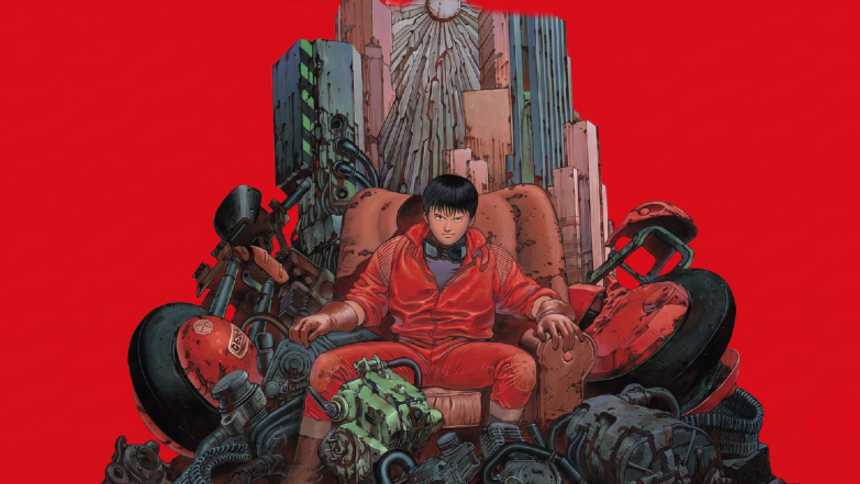
Akira (1988) is a must-see on any list of the most revolutionary and influential animated films in cinema history. It's not just a film returning to Brazilian theaters on the 27th, remastered in 4K, but a cultural phenomenon that opened the doors for Japanese pop culture in the Western market.
The impact of the story about biker gangs in post-World War III Tokyo was tremendous, both from a narrative and visual point of view. To begin with, the animation market at the time did not address adult and complex themes, fueling the sector's production mainly with children's content.
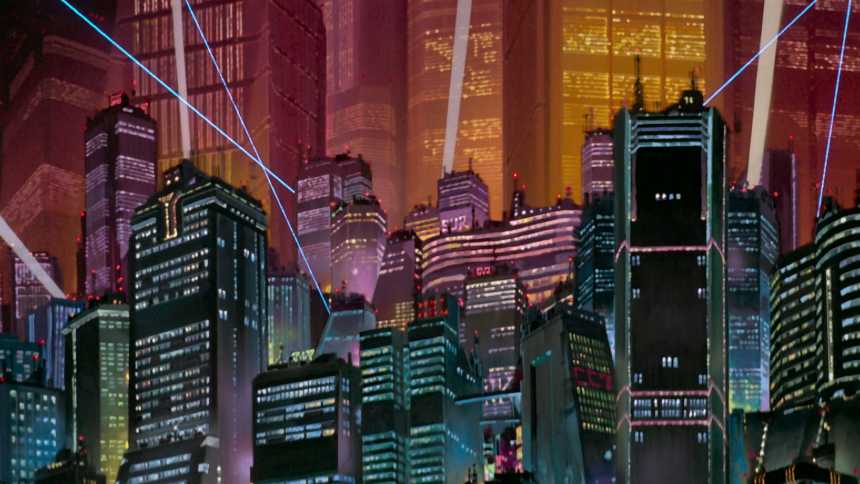
Inspired by the manga of the same name released in 1982, Akira arrived to show that animation wasn't just for children, exploring youth alienation, violence, corruption, and ethical issues in its futuristic imagination. Its setting in a dystopian Tokyo also helped define the language of cyberpunk, which emerged in the 1980s.
This subgenre of science fiction focuses precisely on the underworlds of technocentric societies. And what we see ends up being the loss of control over one's own body by humanity, with prostheses, implants, or chips that generally present a psychological burden.
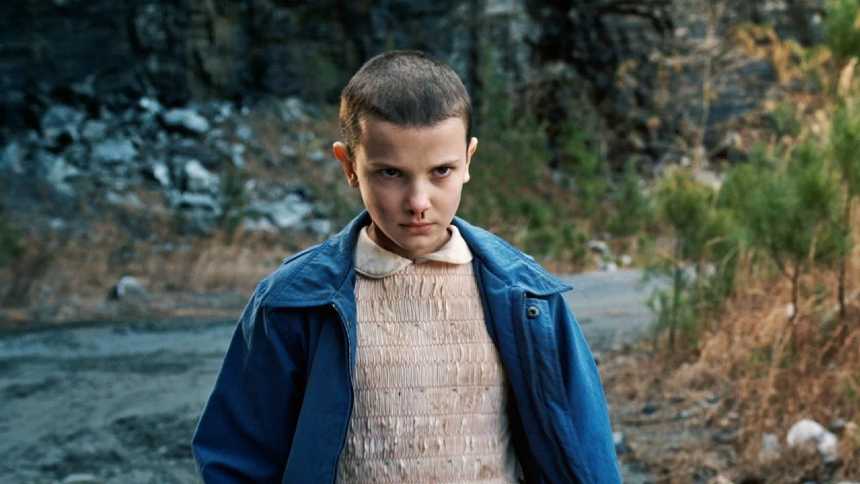
Long before the character Eleven, played by actress Millie Bobby Brown in the series Stranger Things , displayed her psychic powers, acquired after experiments in government laboratories, the same thing happened with Tetsuo Shima, one of the central characters in Akira.
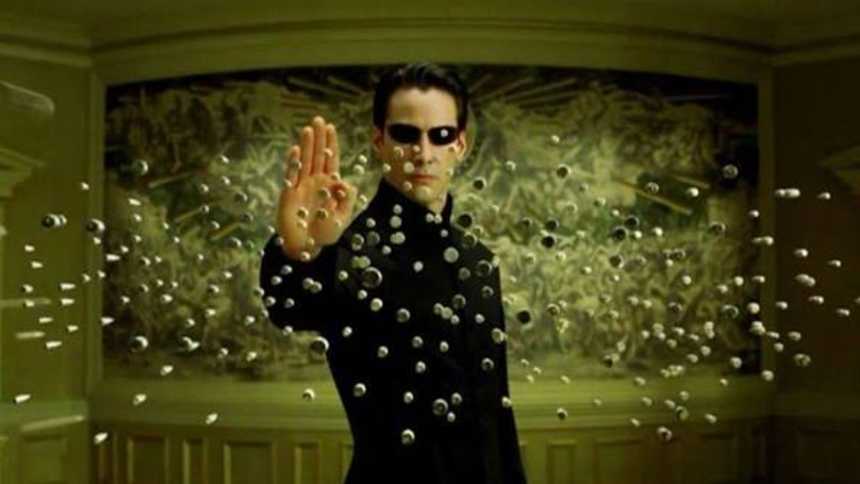
Besides the Netflix series, the Japanese work has influenced other cyberpunk productions, such as the Matrix franchise, released in 1999, and Ghost in the Shell , launched in 1995. Films like Looper (2012) and Chronicle (2012) were also inspired by the plot from the imagination of Katsuhiro Otomo, author of the manga and also director of the film adaptation.
Akira is set in 2019, in a post-apocalyptic setting, in a Tokyo rebuilt after a mysterious monumental explosion, dubbed Neo-Tokyo. The film follows Shotaro Kaneda (voiced by Mitsuo Iwata in the original), a teenage biker gang leader who is in constant conflict with a rival group.
Kaneda and his followers' rebellion intensifies even further when a junior gang member, the troubled Tetsuo Shima (Nozomu Sasaki), is kidnapped. The boy becomes a guinea pig in a secret government laboratory, where the plan is to use humans with telekinetic powers as weapons in a military project.
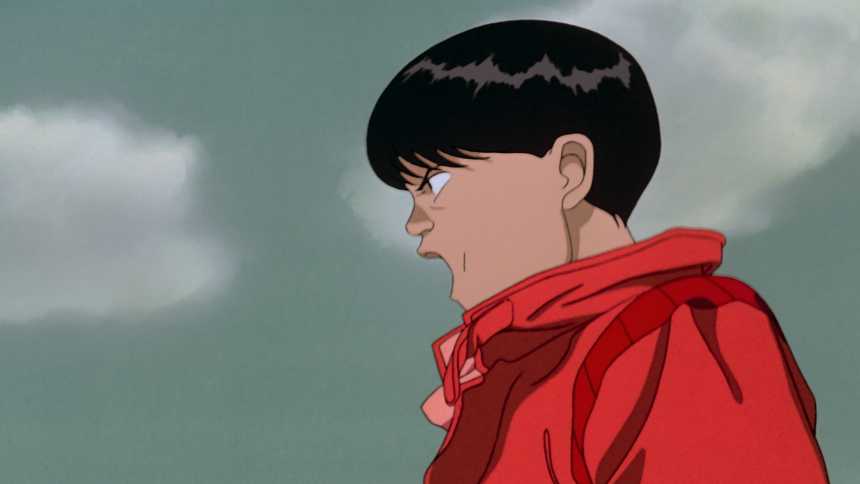
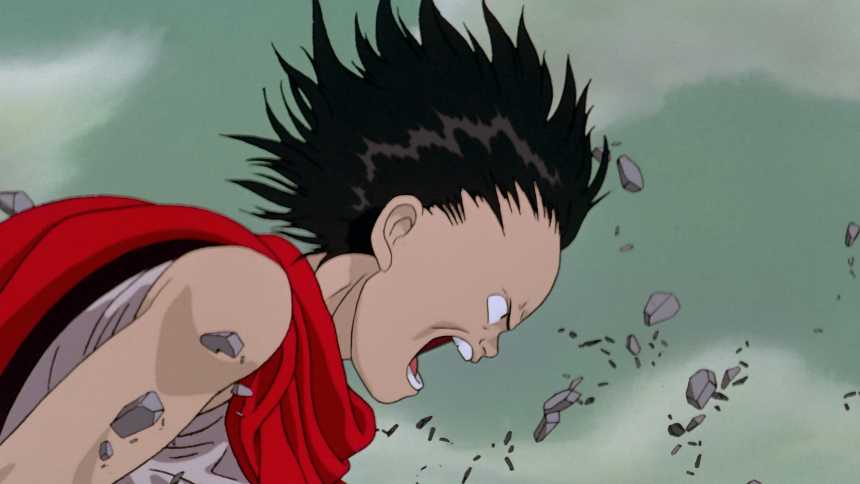

While Kaneda struggles to rescue his companion, with the help of Kei (voiced by Mami Koyama), a young activist, Tetsuo begins to develop psychic abilities. And therein lies the danger, since he suffers from an inferiority complex, even though he is Kaneda's childhood friend.
Tetsuo sees superpowers as a chance to prove his worth to Kaneda, which is accompanied by a feeling of revenge. And that's how he becomes a copy of Akira, the world-destroying entity that gives the film its name. Legend says that Akira is responsible for the destruction of Tokyo, having lost control over his paranormal abilities.
24 times the budget
To create this futuristic and chaotic environment, the production consumed over US$5.5 million, one of the most expensive budgets for an anime work at the time. The result was a worldwide box office of approximately US$50 million, in addition to an extra US$80 million earned from home video.
Akira's budget was primarily used to enhance the technical quality, including greater fluidity in movements, especially in the action scenes. This brought much more realism to the film, which will have a pre-premiere this Sunday, the 9th, at Sato Cinema, in Liberdade, São Paulo – the theater of the film's distributor in Brazil, Sato Company.
Akira was one of the first animations to use computer graphics, especially to accurately trace the paths of falling objects, create wave patterns, and adjust lighting and reflections. There was also much greater attention paid to color, with a gigantic palette. It featured 327 shades, while animation titles at the time typically used 30 to 50 colors.
And, thanks to its technical and visual innovation, also featuring lip-syncing with audio of unprecedented precision, the film is still considered a kind of ambassador for anime in the West.
As a result, Akira paved the way not only for anime, but for Japanese pop culture in general, opening doors for franchises like Dragon Ball and Pokémon outside of Japan.
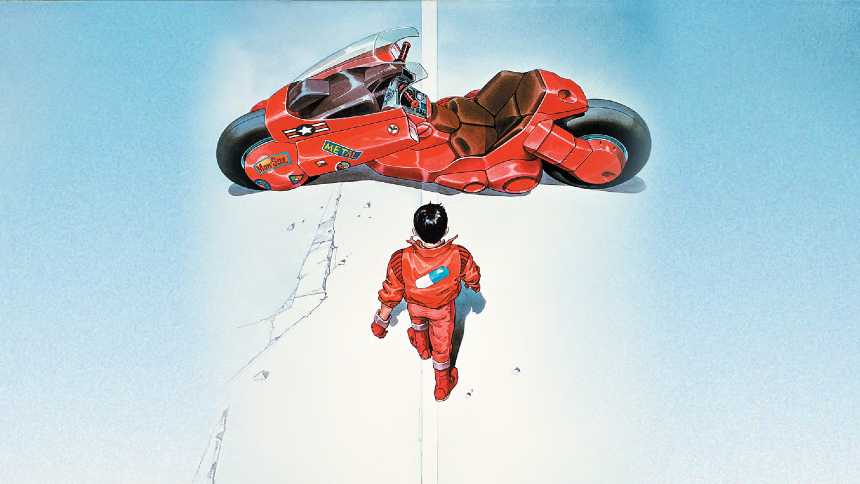
One of the most iconic scenes in Akira is still considered one of the most revered in film history. The act of imitating the skidding of the red motorcycle, which slides sideways, ridden by Kaneda, even has a name in the entertainment industry: " Akira slide" .