

Rome - From Rome to the world? Not for the Bravi family, who have run the Pommidoro restaurant since 1890, for five generations . Every week someone approaches Aldo Borgia, great-grandson of the founder Ettore and great-great-grandson of Clementina, with the same proposal: to take Pommidoro to London, New York, or another major gastronomic center in the world.
The answer, however, never changes. “I prefer to bring the world to the San Lorenzo neighborhood than to take Pommidoro outside,” Borgia proudly tells NeoFeed . “We are not businessmen aiming for profit. We are a working family. Today I enjoy what was built before me, but I also struggle to maintain that legacy.”
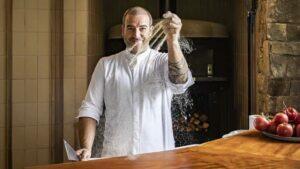
At 42, the heir, alongside his father, Amedeo Borgia, and his mother, Alessandra Bravi, runs one of the most traditional meeting points in the Italian capital — in a working-class neighborhood that still preserves the spirit of old Rome, like a village, without so many tourists.
Borgia personally greets customers and friends with the same ease, alongside his father, who tends the grill, and his mother, who works the cash register. The place is not just passed down from father to son; it's a case of generational cultural capital, where a century of stories, recipes, and relationships has transformed tradition into an economic asset .
“ Mio nonno mi diceva una cosa: a casa vace, a bottega stacce ”, Borgia recalls, the same name as his grandfather. In Roman dialect, the expression means: “My grandfather used to tell me one thing: at home, do what you want; at the shop (at work), hang in there.”
The philosophy proved victorious. The word "bottega" carries a special meaning in Italian culture. More than just a workplace address, it represents a handcrafted, family-run business where the owner is present, knows every detail, and closely monitors everything that happens. It is precisely this logic that explains why Pommidoro could not be transformed into a brand managed remotely.
The story began 136 years ago, when great-grandfather Ettore Bravi sold wine in a small establishment called Al Vero Frascatti. Decades later, under the management of his son Aldo, the business became a restaurant and was named Pommidoro.
Spelled in the Romanesque dialect with an extra "m," the name refers to the tomato , the pomo d'oro , the "golden apple"—which gained central place in Italian cuisine after arriving in Europe from Mexico in the 16th century.
Although botanically a fruit, the tomato is treated as a vegetable because it is used in savory dishes, sauces, salads, and stir-fries, and its name honors the patriarch Aldo, because he "got along with everything, was friendly, and knew how to be a great host," recalls his daughter Alessandra, in a conversation with NeoFeed .
Shelter in war
Not even World War II interrupted Pommidoro's trajectory. During a bombing raid, the building's facade was completely destroyed, and neighborhood residents sought shelter inside the restaurant. Tragedy struck the Bravi family: Dina, Ettore's wife and Aldo's mother, seven months pregnant, died buried under the rubble.
Even today, in the basement, a hole in the ceiling shows where people went to take shelter. And in the neighborhood, there are still marks of the attacks and plaques honoring the dead.
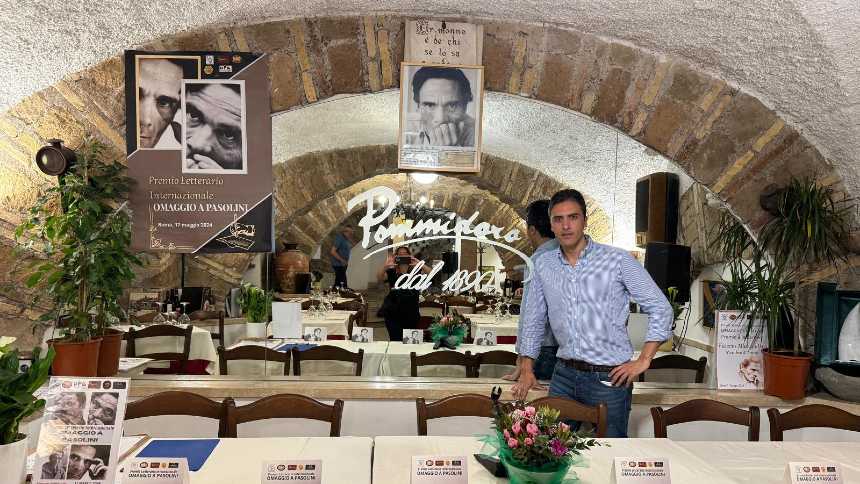
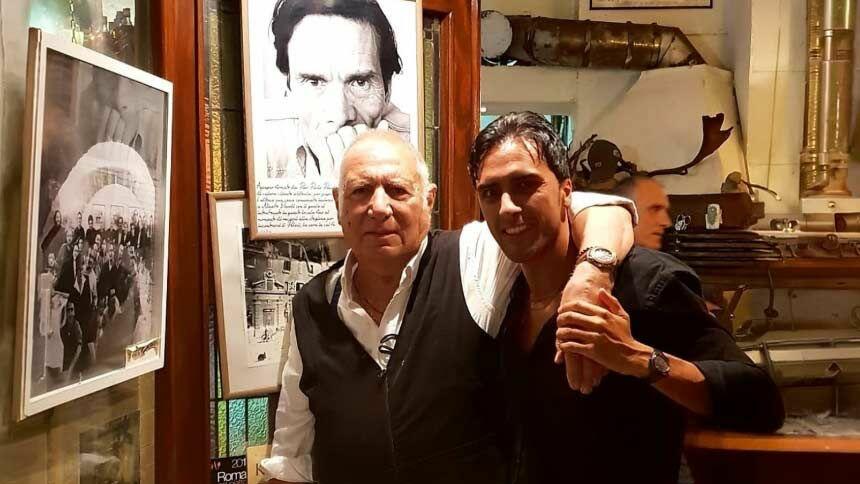
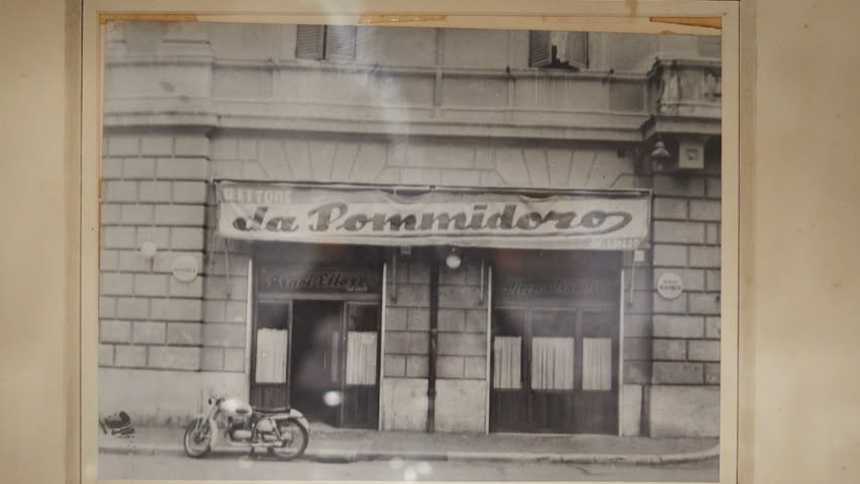
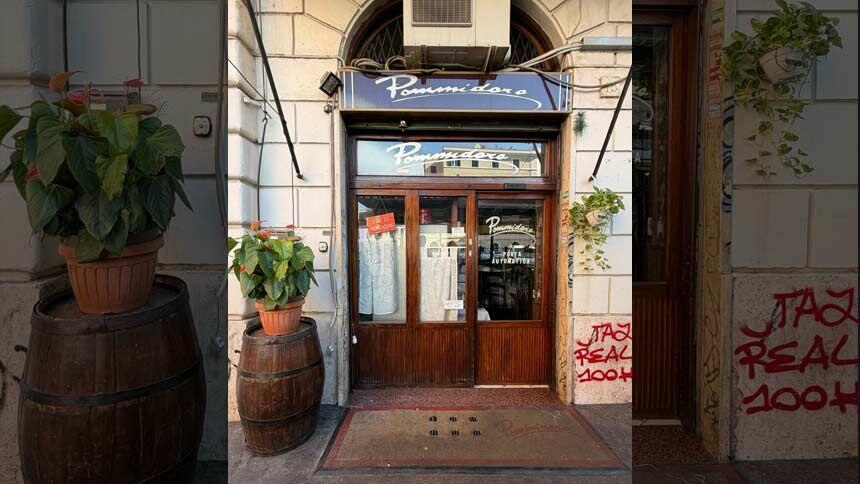
Rebuilt, the house reopened its doors and, throughout the 20th century, became a favorite spot for Italian intellectuals, due to a homophobic incident that occurred in the Piazza dei Sanniti, in front of the Pommidoro.
Aldo heard people shouting and a man was being attacked for being gay. He went out to help and invited the victim to take refuge in the restaurant. It was the filmmaker Pier Paolo Pasolini.
A friendship was born there that would lead the country's leading post-war intellectual to return two or three times a week to talk with Aldo. And to bring his friends. The writer Alberto Moravia and the soprano Maria Callas, who sang there one night, impromptu, frequented their tables.
“My grandfather spoke little. He observed a lot. But when Pasolini arrived, the two would spend hours talking,” Borgia recalls. The filmmaker called the owner “maestro.”
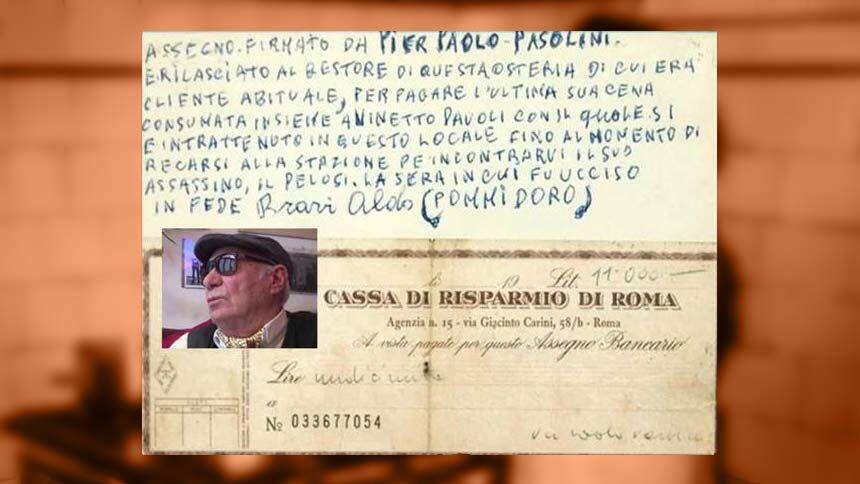
The director's last meal before being murdered at age 53 in Ostia on November 2, 1975, was at Pommidoro — the check for 11,000 lire, equivalent to €70 today, which was never cashed, is framed and hanging on the wall of the dining room.
Half a century after Pasolini's death, the connection with him remains alive. Every year, the restaurant hosts a tribute dedicated to the Italian, bringing together journalists, intellectuals, and artists around the Omaggio a Pier Paolo Pasolini International Literary Art Prize , an initiative that has already crossed borders and gained an edition in Paris.
A house
Although he enjoys talking about the subject, Borgia is keen to separate memory from promotion: “Pasolini is not marketing. There will never be a dish or a table here named after him. We want to preserve this history.”
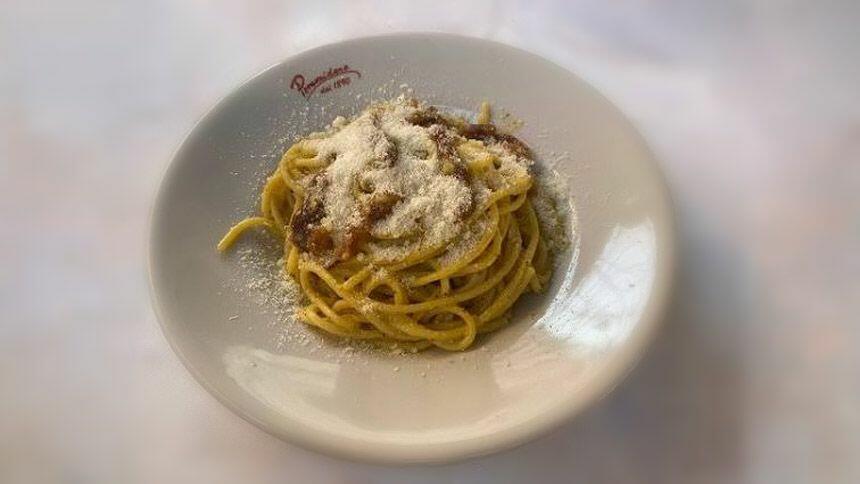
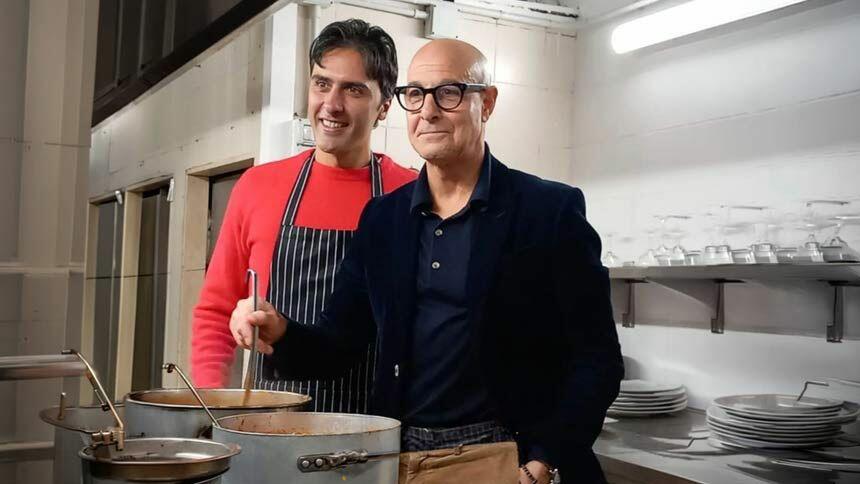
The same concern for maintaining authenticity is evident in the kitchen. The carbonara that made Pommidoro internationally famous was popularized by actor Stanley Tucci. He featured the pasta dish in the CNN International series Stanley Tucci: Searching for Italy and wrote about the iconic Roman dish in two books.
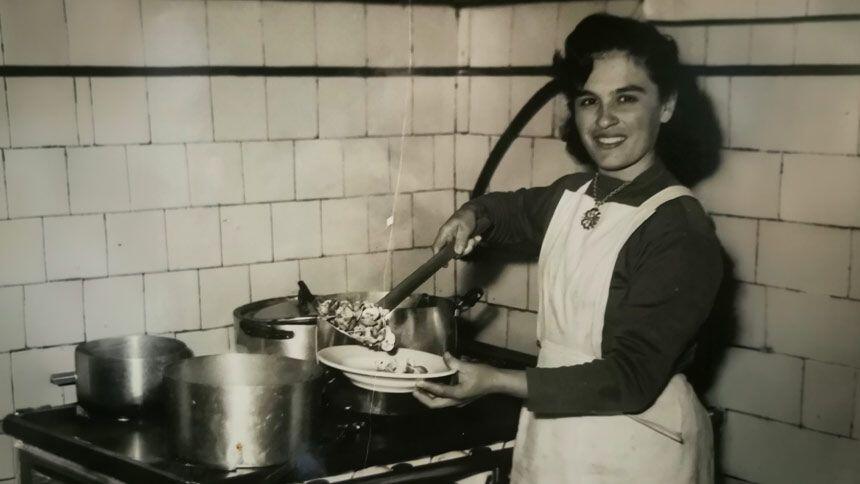
The recipe was created by Aldo and perfected by his wife, Anna. “She was the soul, the smile, and the heart of this place. I didn’t change anything. I only needed to adapt some ingredients because the products available today are no longer the same,” says the grandson, referring to the eggs, guanciale, and pecorino cheese. And, of course, the pasta.
The real secret ingredient of the house, according to Alessandra, is the extra virgin olive oil produced by her own family on a farm in Sabina. "Imagine a woman. The olive oil is her dress. The rest is just accessories," she says.
Just a few kilometers from Rome, the region preserves a rural and ancestral Italy, where centuries-old olive trees, medieval monasteries, and small producers maintain a gastronomic tradition rooted in the territory.
Depending on the season, tomatoes, zucchini, artichokes, and a new addition—baked white eggplant drizzled with olive oil—also come from there. Borgia brought the dish for the NeoFeed reporter to try, always with that typical welcoming atmosphere of a friend's home.
“People expect to find a famous restaurant. What they find is a home,” he adds. Pommidoro is more than a business : it's an emotional landmark of Rome, which explains why it has been so successful for so many decades.