

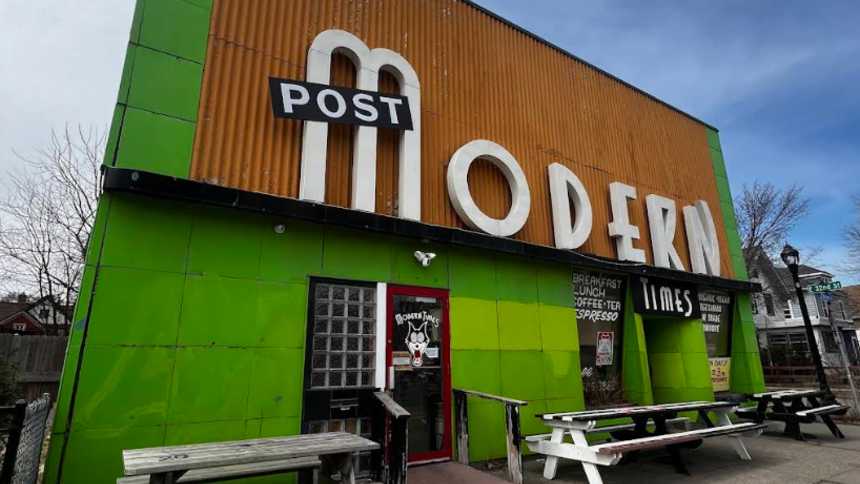
Six blocks from where George Floyd was murdered in May 2020 by then-police officer Derek Chauvin. Three blocks from where Renee Good was executed in January by U.S. Immigration and Customs Enforcement officers. A few meters from where Alex Pretti was shot and killed 17 days later, also by ICE agents.
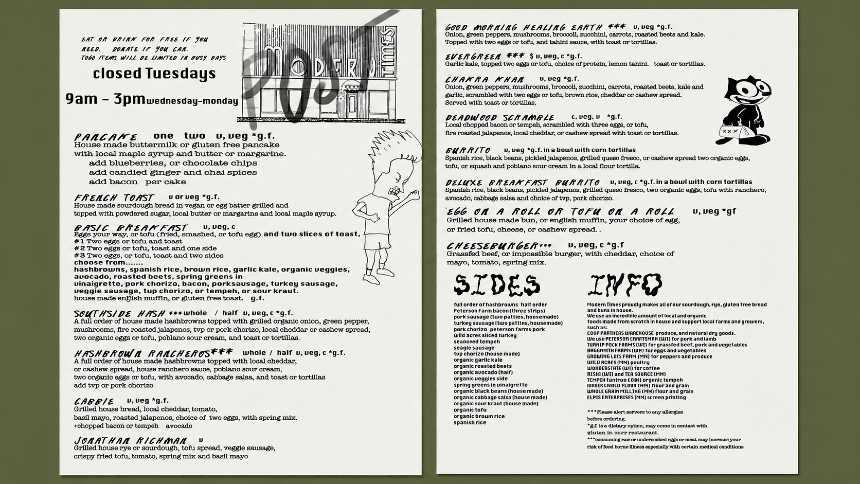
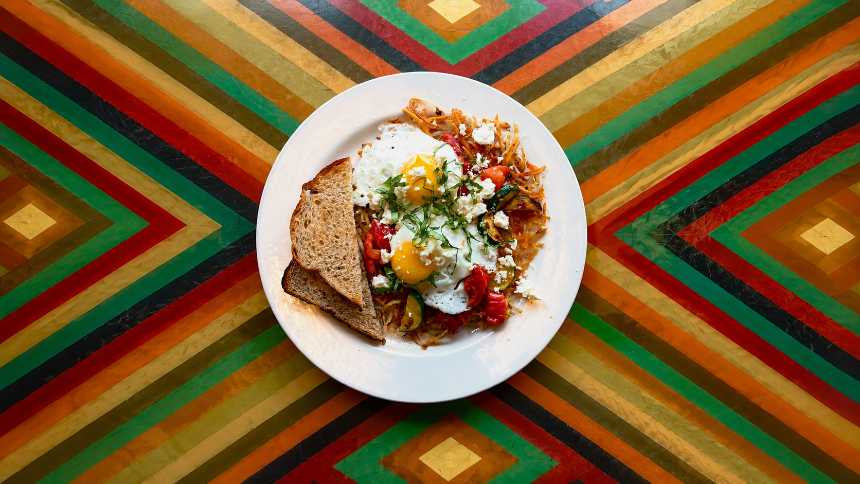
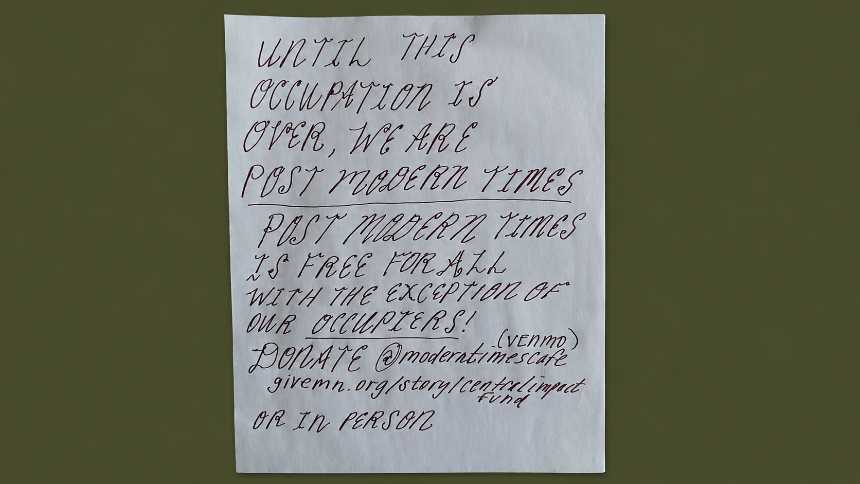
It was there, at 3200 Chicago Avenue, south of Minneapolis, that a small restaurant transformed food into an act of resistance against state brutality. On January 26th, the Modern Times became the Post Modern Times and abolished menu prices. From that day on, the customer pays what they want, what they can afford, or what they think is fair—if they pay at all.
“I made the decision on impulse to do good and offer comfort to our residents. And, at the same time, to stop paying taxes to a government that, instead of protecting, inflicts harm on its citizens,” says homeowner Dylan Alverson in an interview with NeoFeed . “At that moment, I wasn’t thinking about money.”
If I had thought about it, I probably wouldn't have gone ahead. Under conventional business logic, the initiative would have been tantamount to a bankruptcy sentence—the company had been operating at a loss since the pandemic. However, the opposite happened.
A little over six months later, what began as a response to state violence has transformed into an experiment on the economic viability of a solidarity-based model. Although between 80% and 90% of people now eat for free, the Post Modern Times not only remains open but thrives.
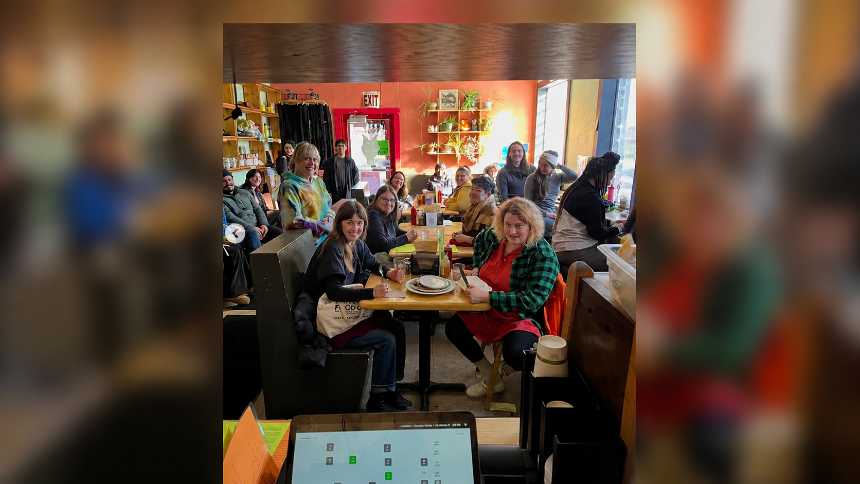
Meals increased by 55% — from a daily average of one hundred to more than 155. And the increase didn't just come from customers seeking free food. The number of those who insist on paying to support Alverson also grew.
“Often there’s not enough space,” says the owner. “We’re making improvements to try and integrate the two groups in the best way possible.”
Unexpected success
Modern Times wasn't prepared for such high demand. Founded in 2011 after Alverson raised $35,000 by selling off a used bicycle dealership, the restaurant didn't even have a properly functioning website.
"We had to rush to implement the necessary systems in a hurry," recalls the businessman. The operation was completely overhauled.
The menu was streamlined to simplify kitchen work. The team agreed to replace the traditional compensation model with a sharing of tips and donations received. And the e-commerce platform needed to be reorganized.
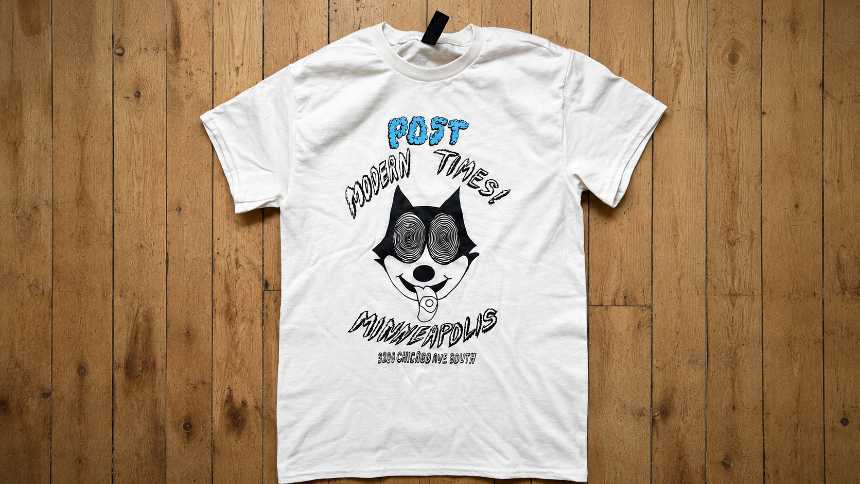
When the initiative made headlines, demand for the Post Modern Times' online store skyrocketed — created in the emergency of Covid-19, it offers T-shirts, sweatshirts, caps, water bottles and mugs, with prices ranging from US$14 to US$65.
Sales over the last three months are poised to surpass the $60,000 raised throughout the entire year of 2025. "It's the way people have found to support us online," says the businessman. A large portion of the orders come from outside the state of Minnesota; some even from outside the United States.
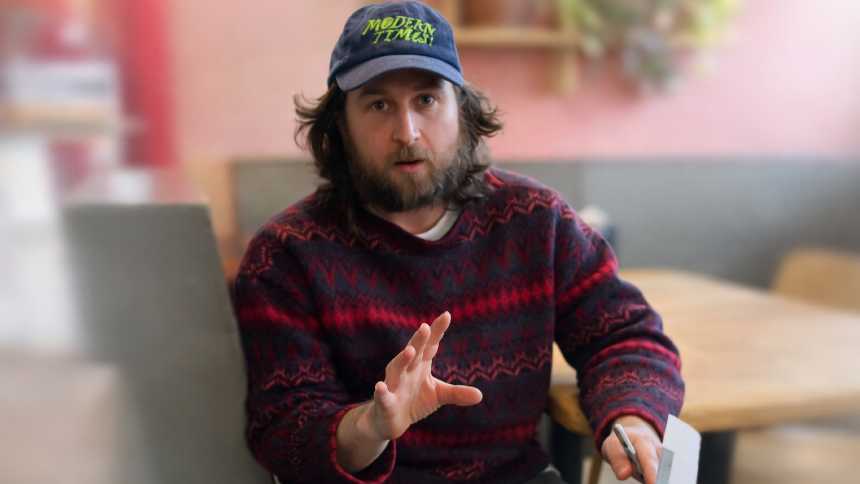
At the helm of a conventional restaurant with 22 employees, Alverson had never achieved such performance.
In 2025, the Modern Times had revenues of US$1.3 million, but despite cost-cutting measures, it recorded a loss of US$18,500.
To save money, for example, the owner takes on as many roles as possible in the household. From chef and manager to handyman, he usually only takes home US$23,000 annually.
This reality reflects the crisis faced by thousands of small American restaurants. A survey conducted in February by the Independent Restaurant Coalition shows that one in four establishments is on the verge of closing its doors.
“We are located in an essentially working-class area,” explains Alverson. “Because of persistent inflation, especially after the pandemic, we were forced to raise prices repeatedly, to the point that many people in the neighborhood could no longer afford to eat here.”
"Market socialism"
The fact that a restaurant that doesn't charge for food manages to attract more paying customers, increase sales, and mobilize a network of supporters, in the businessman's opinion, is a sign that something is very wrong with how the food service industry operates.
"I don't believe we're in a model capable of sustaining companies that choose not to exploit their workers," he says. "Part of our role is to show that we need to think about new ways to address these problems. Without an economic base formed by small businesses, cities won't move forward."
And the problem goes far beyond inflation, he argues: "Venture investors concentrate our food systems in the hands of a few companies capable of controlling prices. If these prices fail to keep pace with people's purchasing power, we become less accessible to communities."
His proposal is not to abandon the market, but to redesign its operating mechanism. Instead of pursuing ever-increasing profits, Alverson proposes a model capable of balancing lower prices for consumers, decent wages for employees, and reasonable compensation for owners.
"We are trying to go beyond capitalism," he states. "We want to adapt a market socialism model that can coexist with the capitalist system and offer a more humane path, with decent jobs and affordable food."
It's still too early to know if the model created by Alverson will hold up in the long term. For now, the Post Modern Times remains a "radical experiment," as he himself defines it. The challenge now is to transform the initial enthusiasm into a permanent donor base.
In an Instagram post, the entrepreneur summarizes the ambition behind the Chicago Avenue restaurant: "The Post Modern Times is a small manifestation amidst a gigantic struggle that could shape the future of this country. I am inspired by how our community has grown together, with our hearts opening to give and receive care in every way possible. May we continue to meet in the streets."