


After a major consumption boom between 2006 and 2014, followed by the effects of the 2015 recession and the pandemic, Brazilian retail is entering a new phase, in which the watchwords have become productivity and execution, in a situation similar to that observed in the post-impeachment period.
The analysis comes from BTG Pactual , whose retail research team studied 20 years of sector cycles in Brazil, seeking to understand how different macroeconomic regimes have shaped consumer demand.
According to analysts Luiz Guanais, Yan Cesquim, Beatriz Cendon, and Marcel Zambello, in this new phase of retail, companies will not be able to count on an expanding consumer market, given the high indebtedness of families and interest rates in the double digits. This means they need to adjust their operations to be able to navigate this phase.
"The next generation of winners, therefore, will likely be defined less by widespread improvements in GDP or consumer confidence and more by sustainable gains in market share, productivity initiatives, monetization of ecosystems, data-driven customer engagement, and disciplined capital allocation," says an excerpt from the report.
Even with the labor market being relatively resilient in the current cycle, analysts say that purchasing power continues to deteriorate due to high real interest rates , high household debt, and persistent inflation in essential items, restricting discretionary spending.
This situation explains the paradoxical moment experienced by the retail sector, according to analysts. Although sales volumes remain close to historical highs, the growth rate has slowed significantly, from 4.7% in 2024 to 1.6% in 2025.
The weight of the macroeconomic scenario means that this moment bears some similarities to the period from 2015 to 2019, although the current situation is much better. Today, the pressure stems from the erosion of purchasing power. In that cycle, retail sales fell by 10% in the first two years of the recession, and inflation exceeded 10% in 2015.
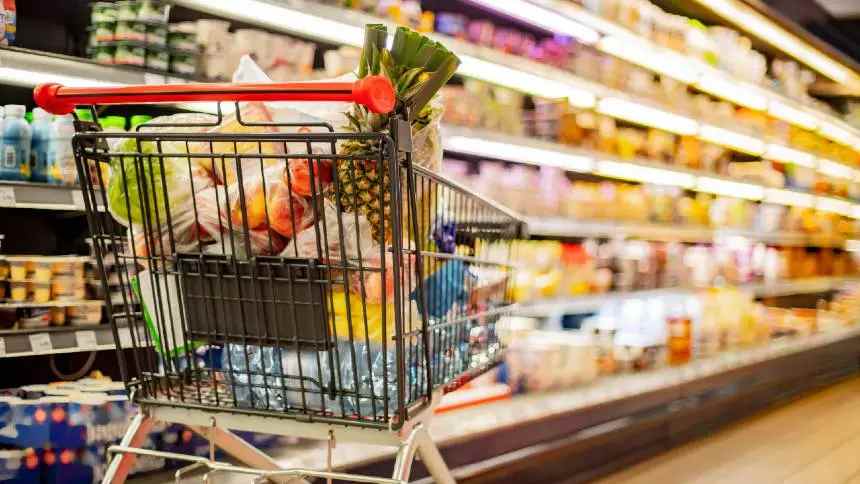
One of the similarities lies in consumer behavior. Just as between 2015 and 2019, discretionary and credit-dependent categories are the most affected. Food retail, on the other hand, is demonstrating resilience and is currently growing mainly due to prices, not volume.
Pharmacies are also repeating the performance observed during the recession. At that time, they stood out, supported by demographic trends, recurring demand for healthcare, and the continued consolidation of the industry. Currently, according to BTG Pactual, they continue to benefit from the structural demand for healthcare and the aging population, but have gained a new engine: the expansion of the GLP-1 drug market.
Conversely, the current situation has not been as difficult for apparel retailers . According to analysts, in general, companies are demonstrating greater resilience, benefiting from normalized inventories, more favorable supply costs, and improved operational execution.
"On the other hand, credit-dependent categories — including furniture, appliances, electronics, and vehicles — continue to face significant pressure stemming from more restrictive financial conditions," says an excerpt from the report.
As is happening today, companies in the post-recession period have become increasingly dependent on productivity gains, with the key themes of that time being digital transformation, disciplined inventory management, investments in omnichannel strategies, and market share gains, rather than favorable macroeconomic conditions.
The big question, which the report does not attempt to answer, is how the sector will emerge from this cycle. According to analysts, the years following the recession effectively marked the beginning of "a structurally lower growth environment for Brazilian retail."
"In an environment where consumption is unlikely to return to the extraordinary growth rates seen between 2006 and 2014, execution has become the main differentiating factor among listed retail companies in Brazil," says an excerpt from the report.