



Cuba - After years of economic crisis, frequent blackouts, shortages of basic goods, and a sharp drop in tourism , Cuba is becoming increasingly isolated. The island is now seeing a growing exodus of foreign companies amid tightening sanctions imposed by the United States.
The most recent episode involves two of the world's largest payment providers. Starting June 6th, Visa and Mastercard will cease to function in the country after the company responsible for processing these transactions shut down its operations on the island.
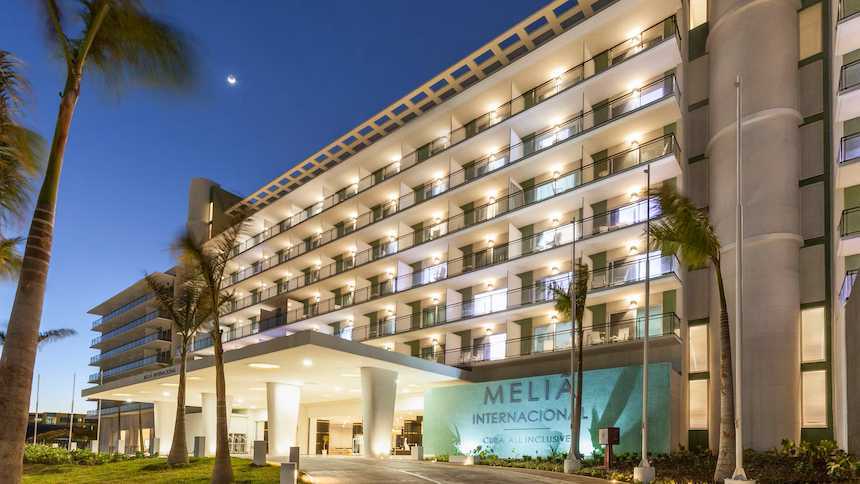
But the giant payment companies are not alone. In recent days, hotel chains such as Meliá, Iberostar, and Blue Diamond Resorts have also announced the closure or reduction of some of their operations in Cuba, a move that directly impacts one of the most important sectors of the country's economy: tourism.
The Spanish company Meliá Hotels International has confirmed the termination of its management of 15 hotels linked to the state-owned conglomerate Grupo de Administração Empresarial SA (Gaesa). Present in Cuba since 1990, the company established itself as the main foreign hotel operator on the island, managing approximately 33 properties and around 14,000 rooms.
The Spanish company Iberostar also announced that it has ceased operating and marketing 12 of its 18 hotels in Cuba since the beginning of June. These properties were associated with Gaviota, the tourism arm of Gaesa. Among them is the Iberostar Selection La Habana, which opened in 2025 and is considered one of the largest recent investments in the sector in the country.
The Canadian company Blue Diamond Resorts followed the same path. The company announced its departure from the island after years of managing dozens of hotels in Cuban tourist destinations through brands such as Royalton, Memories, Starfish, Mystique, and Resonance.
Behind this movement is Executive Order 14404, signed by President Donald Trump on May 1st. The measure established secondary sanctions against foreign companies that maintain commercial relations with Gaesa, a conglomerate controlled by the Revolutionary Armed Forces of Cuba and responsible for a large part of the country's tourism, commercial, and logistics infrastructure.
The U.S. government has set Friday, June 5th, as the deadline for international companies to sever their ties with entities associated with the group. Failure to comply could result in restrictions on access to the U.S. financial system, a risk considered high for companies with a global presence.
The Central Bank of Cuba reported that the company responsible for processing transactions for the two card brands has decided to suspend its services on the island due to the new sanctions. As a result, Visa and Mastercard cards issued abroad will no longer work in Cuban establishments.
The tourism that gave life to Cuba
For decades, tourism served as one of the main sources of foreign currency for the island. In recent years, however, the activity has faced increasing difficulties caused by the internal economic crisis, energy problems, and a reduction in the flow of visitors.
Official data from the National Office of Statistics and Information (ONEI) shows that Cuba received approximately 328,000 international tourists between January and April 2026, a decrease of 55.8% compared to the same period of the previous year.
In 2025, the country recorded approximately 1.8 million visitors, the lowest volume in more than two decades, excluding the years affected by the pandemic.
The deteriorating situation also led companies to reconsider their presence in the Cuban market. In a statement sent to the Spanish market, Meliá stated that many of the hotels affected by the decision were already closed or operating at reduced capacity due to the energy crisis and the drop in demand. The company's Cuban operation recorded a loss of approximately 4 million euros in 2024.
Iberia also recently suspended its direct route between Madrid and Havana, citing operational difficulties and a drop in demand. The decision reinforces the difficulties faced by Cuban tourism in recovering to pre-pandemic activity levels.
Although the effects of the new sanctions are only beginning to be felt, the series of announcements made in recent days paints a picture of the growing pressure on the Cuban economy. From the departure of international hotel chains to the suspension of Visa and Mastercard operations, the island is seeing its integration with global companies and services diminish at a time when it is seeking to recover investments, tourism, and foreign currency revenues.