


On his first night in Wandsworth Prison, south London , on April 29, 2022, German tennis champion Boris Becker was tormented by screams echoing through the dark, cold corridors. These sounds seemed to come from injured or desperate people.
The former athlete was there to serve a 30-month sentence for tax fraud, convicted on four charges related to insolvency law. After going bankrupt in 2017 due to real estate debts, Becker hid properties valued at over £2 million (approximately R$13.4 million in current values).
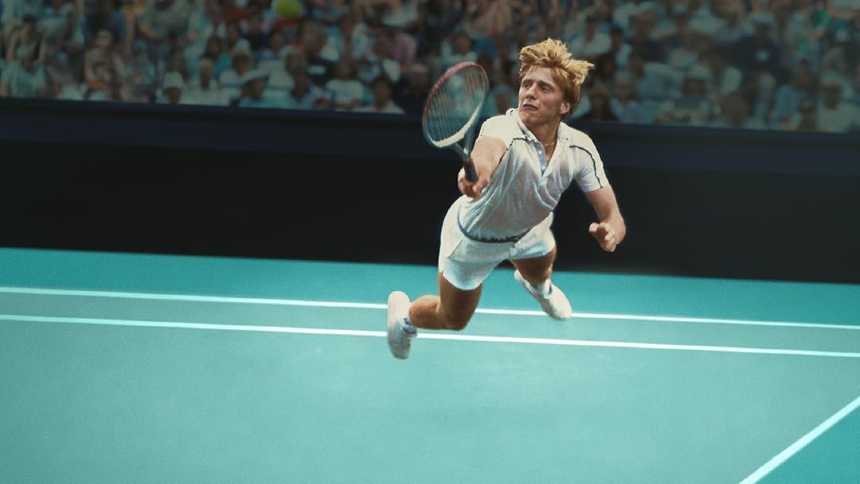
The oppressive prison environment contrasted sharply with his glamorous life before, marked by applause and constant public attention. In recounting this story in his autobiography, *Boris Becker Inside* , he recalls his experience playing at Wimbledon , where he felt completely in control of the situation.
The attentive silence of the crowd before the serve and the deafening explosion after each point created an intense and familiar atmosphere, he writes. The former world number 1 knew intimately each reaction from the stands — the world of tennis was part of his identity.
As he mentally returns to Wimbledon, he realizes how much his life has changed. Once surrounded by prestige and admiration, he is now trapped in the dreaded HMP Wandsworth, with no control over his own situation.
The phrase from Rudyard Kipling's poem "If ," about treating triumph and disgrace the same, took on a painful meaning in light of his abrupt fall from glory to prison.
Now 58 years old, Becker recalls his initial feelings as prisoner A2923EV: “I can’t leave. I can’t silence the noise. And none of this makes sense, because I’m lost and none of the old rules apply. Not here.”
It didn't matter that he won six Grand Slam tournaments, three of them at Wimbledon, won a gold medal at the 1992 Barcelona Olympics , and became Novak Djokovic's former coach.
Ironically, the prison where he was living was just over three kilometers from the Wimbledon courts. Banging on doors, groans, threats, and promises of revenge. Becker had no idea how long he could endure it or even if he would get out of there alive.
His release occurred ahead of schedule, on December 15 of the same year, after serving eight months of his sentence, as part of a special program for foreign prisoners and deportees from the United Kingdom , on the condition that they not return to the country for a period of time.
That same day, he returned to Germany. Free, he used the experience to transform himself. So much so that a considerable part of the book is dedicated to his life in prison.
While trying to cope with fear and loneliness, he mentally revisited the defining moments of his career—especially his victory at Wimbledon at age 17. He describes early fame as something destructive: "I'm living in a box."
That triumph shaped his entire destiny. It brought fame, expectations, and profound changes in how people viewed him.


As he describes in the book, he began to reflect on how small situations in past matches could have completely changed the course of his life—perhaps preventing him from ending up in court decades later. Before that, while awaiting sentencing, he lived through weeks of extreme anxiety, imagining different possible futures.
His lawyers made it clear that his reputation, career, and financial stability had been destroyed. In packing his suitcase to serve his sentence, he combined the pragmatism he learned as an athlete with the fear fueled by films and fantasies about prison life, as well as the public humiliation and uncertainty about who he would be after his downfall.
The former champion recalls that his journey of financial problems began during his tennis career, when he became overconfident and alienated important people from his team. After retiring, he believed he would have the same success in business as he had on the courts, took high risks, and maintained a lifestyle incompatible with his new financial reality.
Furthermore, personal and family expenses further increased his debts, which reached almost €60 million. Becker faced legal problems for the first time and escaped prison in 2003 after a tax evasion case in Germany. Even so, he was unable to reorganize his life. He continued to spend lavishly.
The conviction in London represented the culmination of a long series of mistakes, excesses, and misguided decisions. In prison, he says, he forged new bonds, learned unimaginable skills, and fell in love with Stoic philosophy—which helped him on the long road to rebuilding his ruined life and reputation. Becker summarizes this transformation: "I was practicing Stoicism without knowing it."
In the subtext of his memoirs, the former player describes himself as someone "swallowed by his own fame" before maturing emotionally. After being released, to survive, he resumed his career as a tennis commentator and analyst. And now, as a writer.