

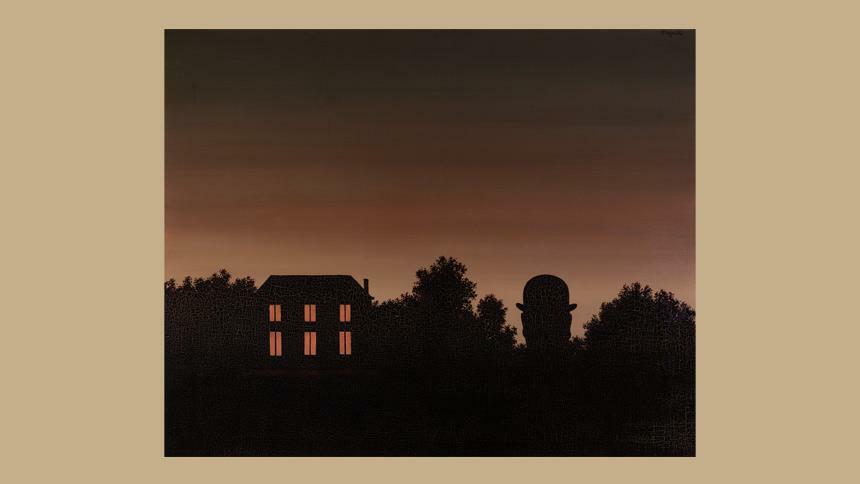
It's late afternoon. The last rays of sunlight tinge the horizon orange. In a two-story house, the lights have already been turned on. Among the trees, the figure of a man in a bowler hat emerges. The silhouette, in the twilight, lends a tension to the scene. What could he be doing there?
This friction between the ordinary and the extraordinary is at the heart of René Magritte's painting La fin du monde (1963), the painter who turned meticulous realism into a machine of estrangement, suggesting that the everyday is often more enigmatic than it appears.
Perhaps even more “surreal” is knowing that the painting belongs to a private Brazilian collection. Neither MAC-USP nor MASP, two of the country's main collections of European art, hold a work by Magritte. Until August 15th, however, São Paulo residents will be able to see it up close in the exhibition Surrealisms – Art Beyond Reason , at the Pinakotheke gallery.
“The greatest merit of this exhibition is that all the works come from private Brazilian collections,” says art dealer Max Perlingeiro in an interview with NeoFeed . “I guarantee that, with very rare exceptions, the general public has never seen many of these works. And do you know when they will see them again? Maybe never.”
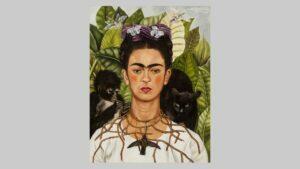
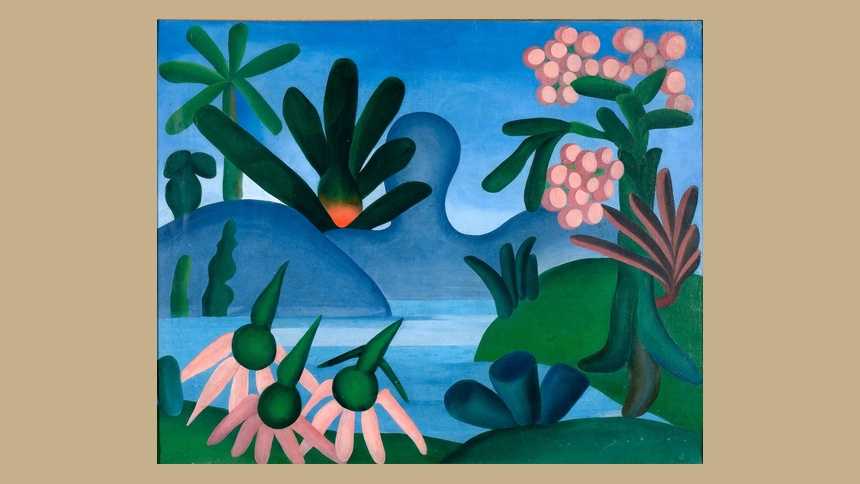
The exhibition brings together around 150 works by other great names in the history of national and international art, such as Salvador Dalí , MC Escher, Giorgio de Chirico, Louise Bourgeois , Diego Rivera, Alberto Giacometti , Maria Martins, Tunga, Tarsila do Amaral and Henry Moore.
Perlingeiro had the idea for the exhibition in 2016, after visiting Magritte: La trahison des images , at the Centre Pompidou in Paris .
Responsible for managing over 20 private collections, the gallery owner had a strategic advantage: he knew a good portion of the map of works and collectors he could contact for the exhibition.
Even in that early stage of the project, he invited curator Tadeu Chiarelli to work with him on the exhibition that was to open in 2024, the centenary year of the Surrealist Manifesto written by the Frenchman André Breton.
The pandemic and personal problems pushed the plan forward. The postponement, however, ended up coinciding with another milestone: a new phase for Pinakotheke in São Paulo.
Open to meetings
Founded in Rio de Janeiro in 1979, Pinakotheke is leaving its São Paulo headquarters in Morumbi — housed in a building designed by Carlos Bratke — after 26 years to occupy an address closer to the city's cultural circuit.
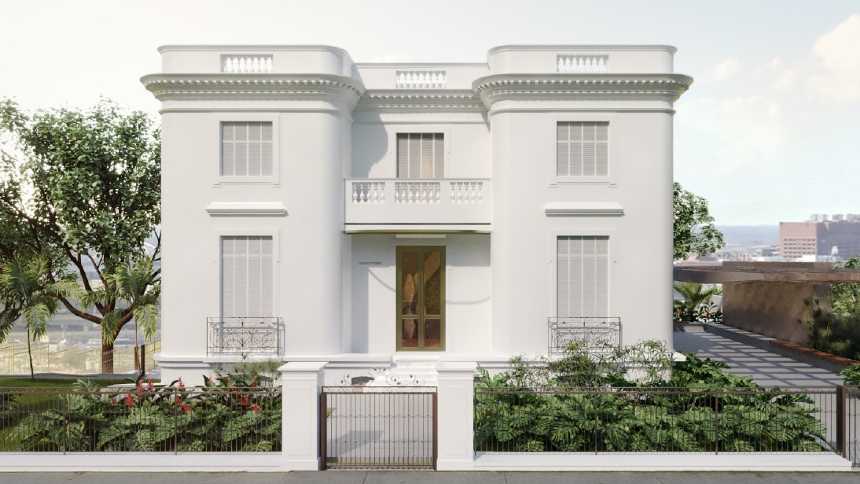
The new space operates in a 1930s mansion on Rua Minas Gerais, just minutes from Avenida Paulista. Completely renovated, the property brings the São Paulo branch closer to the atmosphere of the gallery's Rio de Janeiro location in Botafogo, also housed in a neoclassical-inspired mansion.
The architecture of the new house ends up functioning as a metaphor for the exhibition itself. Instead of the neutrality of the white cube, the new Pinakotheke bets on a path made of detours, corridors, and improbable encounters. "In a house, you are surprised," says Perlingeiro. When looking for a bathroom, for example, you might find a 4-meter-long print by Max Ernst.
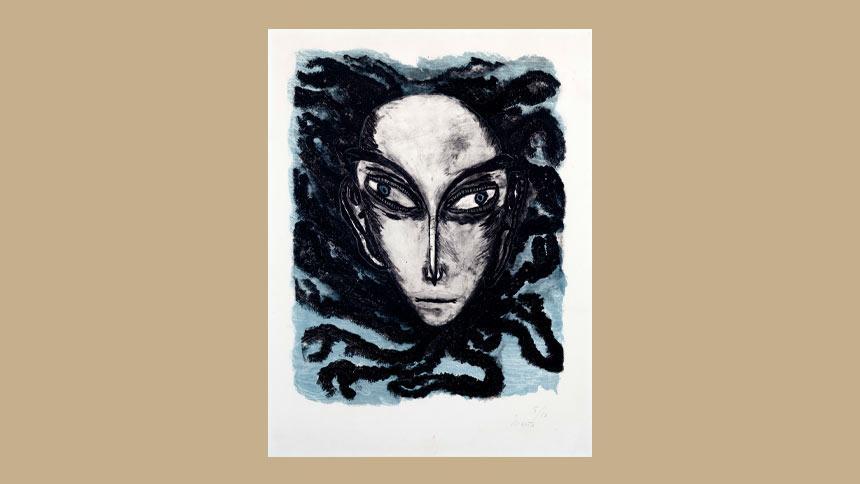
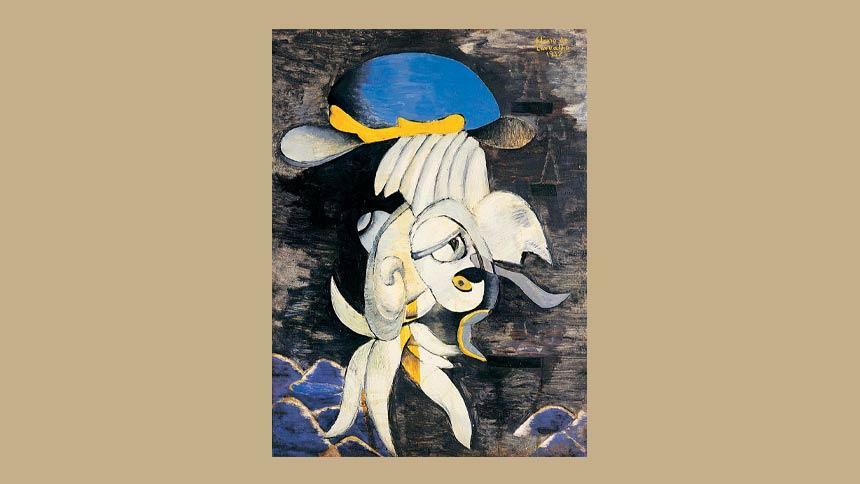
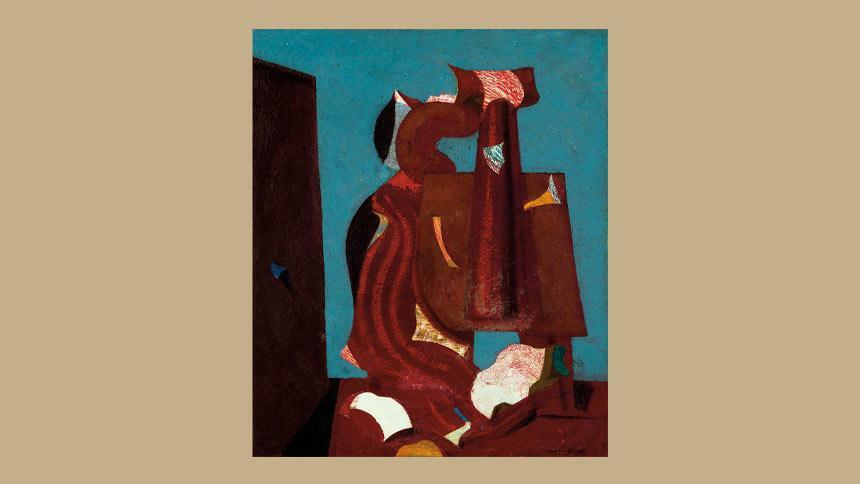
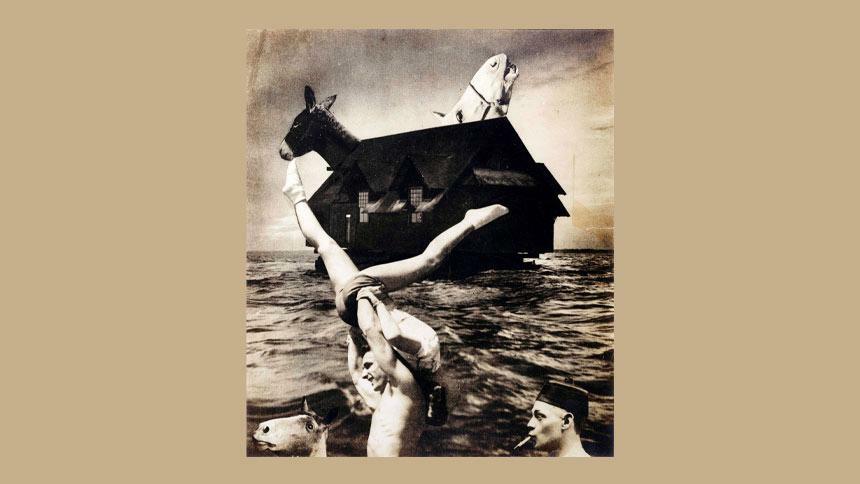
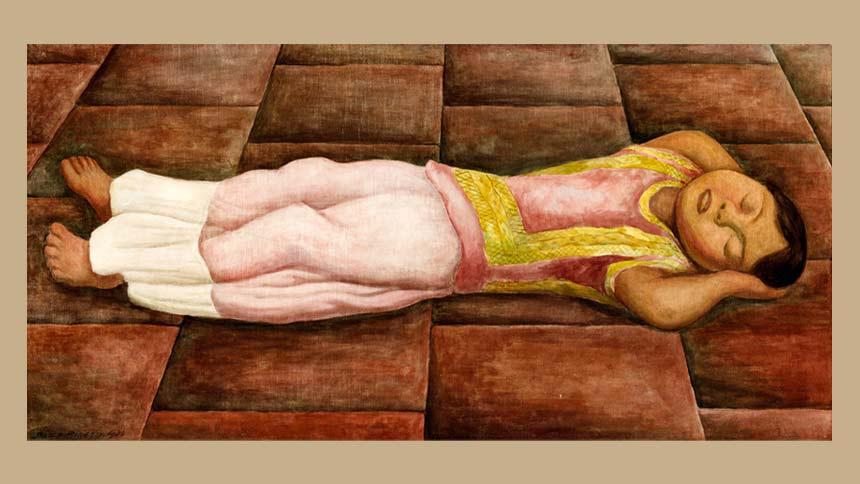
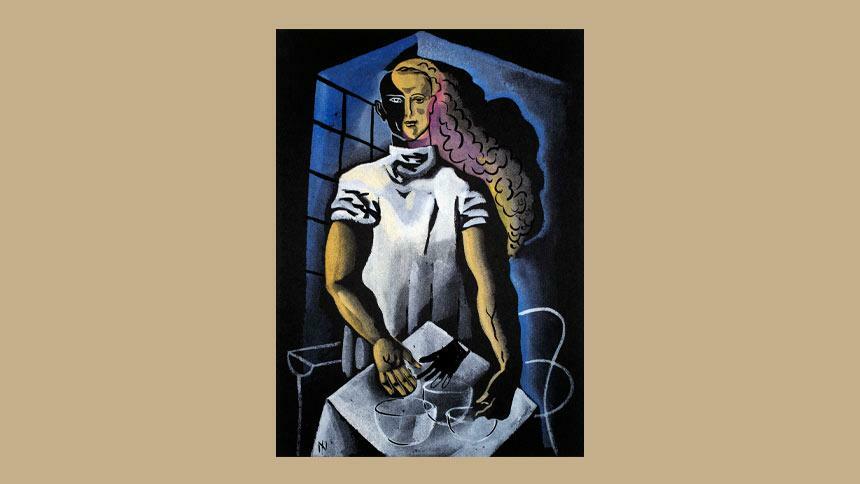
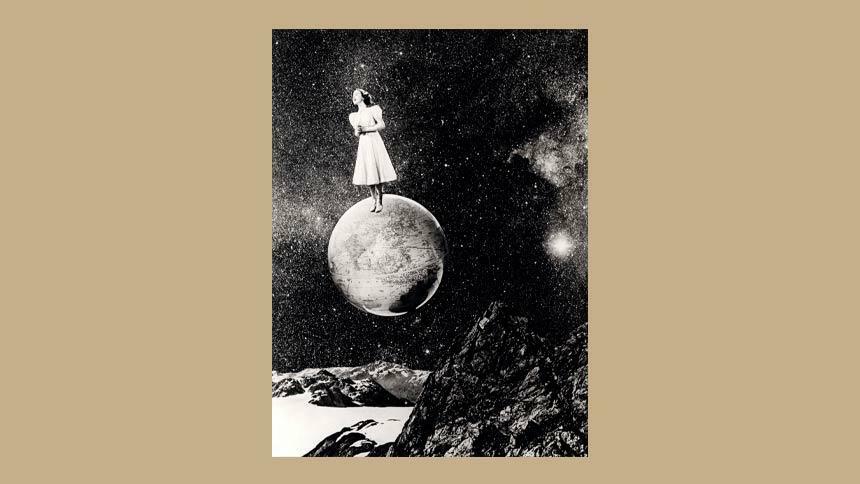
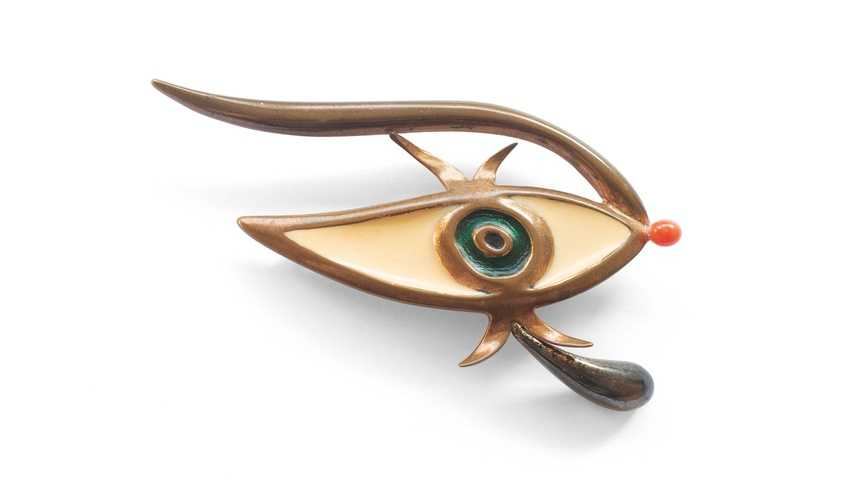
It is with a less linear spirit, more open to unexpected associations, that Surrealismos was conceived. “For us, it was important to propose an overview that problematized the idea of surrealism as a movement with a beginning, middle, and end,” curator Tadeu Chiarelli, who co-organized the exhibition with Perlingeiro, told NeoFeed .
More than revisiting the historical surrealism of the 1920s and 1930s, the duo was interested in treating it as a "type of subjectivity that transcends the historical period in which it is most celebrated," adds the curator. Hence the plural in the title.
Unexpected approaches
Organized into geographical sections — European, Latin American, United States, and Caribbean — the exhibition brings surrealism closer to artists who rarely appear within this framework. This is the case with Preparação (1975), a video by Letícia Parente from Bahia, generally situated within the field of Brazilian conceptual art of the 1970s and among the pioneers of video art in the country.
In the artwork, a woman covers her eyes and mouth with adhesive tape and then applies makeup over the sealed surface to create the features of the face she has just concealed. “She works a lot with paradox, estrangement, displacement,” explains Chiarelli. “She emphasizes a seemingly simple action that acquires an unthinkable dimension.”
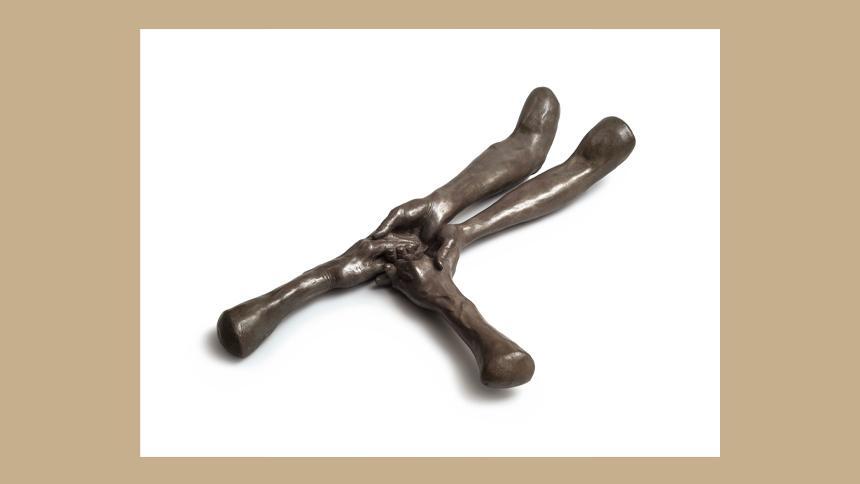
This logic of unexpected connections also appears in the relationships that the visitor is invited to build along the way. A small sculpture by Érika Verzutti from São Paulo, for example, finds an echo in a piece by the British artist Henry Moore, revealing affinities in the way both organize bodies in space as characters in a theatrical scene.
It is in this terrain of unlikely affinities that the exhibition expands the boundaries of Surrealism and also confronts the absences that have marked its historiography. The movement was associated with a predominantly male and European confraternity, and the exhibition opens space for artists frequently kept on the margins of the movement's official narratives.
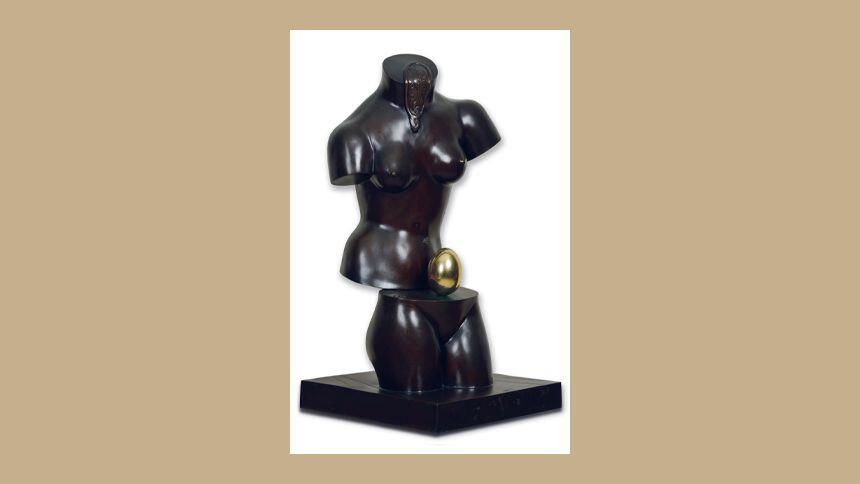
Brazilian sculptor Maria Martins occupies a central place in this review. Chiarelli points out that, although MoMA already possessed works by the Brazilian sculptor in its collection, her name does not even appear in Dada, Surrealism and Their Heritage , a publication linked to the historic exhibition organized by the museum in 1968.
“This shows the degree to which women are made invisible in this narrative,” says the curator. “There was a very prejudiced view of Maria Martins’ work due to the fundamental fact that she was a woman, and also wealthy and well-placed socially.”
The room dedicated to the Brazilian sculptor is a strategy to "reinforce her importance and centrality in the debate," she emphasizes.
The review also includes names little known to the Brazilian public, such as the African-American artist Minnie Evans and the Haitian Préfète Duffaut, whose fantastic universes broaden the Eurocentric axis of surrealism. "Never has surrealism been so discussed, thought about, and rethought," concludes Perlingeiro.
Never before, nor has it been observed from such an unlikely set of works gathered in private Brazilian collections.