

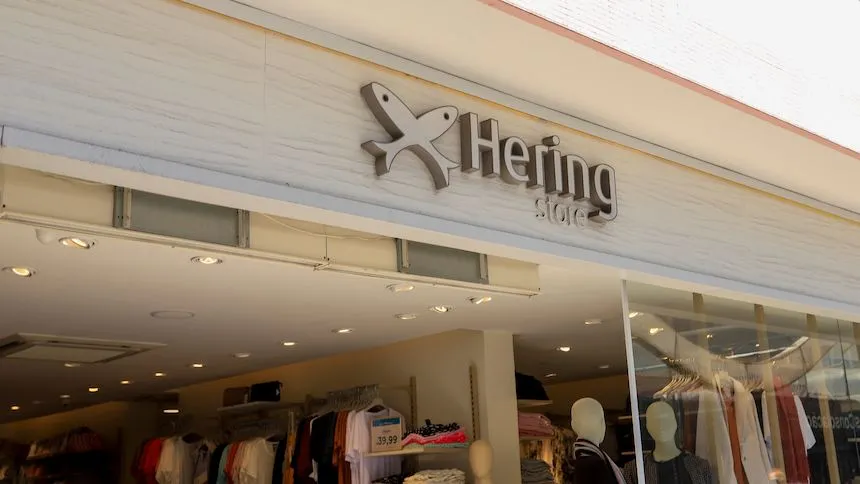
The third quarter of 2025 marked a new chapter for Azzas 2154. While the group recorded a 4.4% growth in gross revenue, to R$ 3.7 billion, with profitability gains, the most symbolic move came in the Basic vertical, responsible for the Hering brand, which is beginning a structural transformation under the leadership of David Python.
“It was a quarter of mixed results. We have businesses at different stages of maturity,” says Alexandre Birman , CEO of Azzas 2154, to NeoFeed . “While some brands are growing with high profitability, others are in a turnaround phase and making operational adjustments.”
The recurring net profit of the group formed by the merger between Arezzo&Co and Grupo Soma was R$ 201 million in the third quarter of this year, a 22.9% increase year-over-year, and EBITDA remained stable at R$ 477 million, with a margin expansion to 16.1%. Excluding the effects of Hering, the margin would rise to 18.4%, which highlights the weight of the ongoing restructuring in the division.
The group's performance was supported by greater expense control (down 2.3%) and operational efficiency gains. Gross margin reached 54.7%, an increase of 0.3 percentage points compared to 2024, reflecting lower discount levels and a more profitable mix of owned channels.
In the first nine months of 2025, gross revenue totaled R$ 10.6 billion, a 9.8% increase, and recurring net income reached R$ 602.7 million, a 42.9% increase over the same period of the previous year.
The Fashion Women and Fashion Men verticals, under the leadership of Ruy Kameyama , maintained their expansion pace, driven by Farm Rio, which grew 41% internationally. The women's unit recorded an 18.2% increase in revenue and continues to expand its global presence.
The men's apparel sector follows a strategy of prioritizing margins over volume, which ensured a 5.4% increase in sales and a jump of over 30% in year-to-date EBITDA.
In transformation
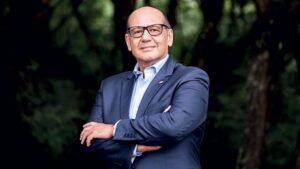
The most recent change at Azzas happened in the Basic unit. Thiago Hering stepped down from leading the business, which will now be headed by David Python, a former Arezzo&Co executive who left to co-found the sneaker brand Cariuma – which is currently undergoing due diligence to be incorporated into Azzas' portfolio.
Returning to the group after almost a decade, Python arrives with an agenda to reposition Hering's portfolio, review the franchise model, and optimize working capital.

One of the key pillars is changing the product cycle – from “buy to sell” to “sell to buy” – reducing inventory risks and improving profitability. The brand and the entire C-level are also undergoing a transformation, and operations will be centralized in the city of Blumenau, in the state of Santa Catarina.
“Our focus is on increasing the return on invested capital, improving marketing, and reconnecting Hering with its traditional audience. We have a network of 200 franchisees with enormous value and a very engaged team,” says Python.
According to Birman, the first effects of all the changes made by Azzas this year should appear throughout 2026.
“The brands that are currently undergoing adjustments will begin to show improvement in the fourth quarter. In the case of Hering, it's a structural process, but one that will place the unit on a new level,” says the CEO of Azzas 2154.
Having been in charge of Shoes & Bags for about 45 days, former CFO Rafael Sachete is leading a process to strengthen the execution and commercial efficiency of the division. Financial management is now under the care of Eric Alencar, a former Aché executive.
The unit that brings together the brands Arezzo, Schutz, Anacapri, Alexandre Birman and Vans presented a 5.6% decrease in revenue, pressured by the unfavorable global cycle of Vans - there was a decline of about 9% reported by the parent company VF Corporation, the American company that also controls other brands such as The North Face , Timberland and Supreme - and this global effect impacted the performance of the operation in Brazil.
“For over two years, we've only grown Vans here in Brazil. So, we doubled Vans' market share overall, which went from 2% of revenue to 4% of the brand's global revenue,” says Birman.
"But Vans will no longer have a growth trajectory of 15% to 20% like it has had since we brought the brand home," he adds.
AZZA3 stock has fallen 2.9% this year on the B3 stock exchange. The market capitalization of the Azzas 2154 group is R$ 5.8 billion.