



The maturing of agribusiness is creating a new demand for wealth management outside the traditional framework of wealth management. And Ghia Multi Family Office is taking advantage of this transformation to scale its expansion strategy.
With approximately R$ 5 billion under management, the firm, founded in 2010 in the city of Uberlândia, Minas Gerais, has been growing at an average rate of 30% to 35% per year by specializing in families whose wealth comes directly or indirectly from agriculture. Now, it aims to leverage this momentum to reach R$ 10 billion by 2028 and approach R$ 20 billion in the following five years.
Their target audience consists of families with a minimum investment starting at R$ 5 million, many of whom are still in the first or second generation of wealth accumulation. In addition to its headquarters in Uberlândia, the company maintains offices in Goiânia and Cuiabá and has a presence in Ribeirão Preto, all with the same profile of business families linked to agribusiness.
“The farmer saw that he made money with land and that he knew how to make money from it. So the most obvious option was to increase his position in something he had experience in. But the recent crisis in agribusiness has shown that there is great risk in this concentration,” says Gabriel Cestari, founding partner of Ghia Multi Family Office.
The firm's interpretation is that this client has long been off the radar of the traditional wealth management industry because a large portion of their assets are tied up in real estate and lack liquid assets for investment in the financial market.
This type of investor always thought about buying more land with the money they earned. And they weren't wrong to do so, after all, the properties appreciated much more than the market average.
A survey by Scot Consultoria shows that the average nominal price per hectare of pastureland, intended for cattle raising, in the Midwest jumped from R$ 7,579.17 in December 2019 to R$ 21,270.83 in December 2025, an increase of 181%.
During the same period, the price per hectare of agricultural land increased from R$ 16,834.78 to R$ 47,604.17, a rise of 183%. For comparison, during the same period the CDI ( Interbank Deposit Certificate) accumulated approximately 73%, while the Ibovespa (Brazilian stock market index) advanced 39%.
However, this same boom in land values proved to be a trap. The significant increase in land prices, coupled with the favorable commodities cycle, especially in the post-pandemic period, expanded the wealth of these families and increased the complexity of their management. Rural businesses became more valuable, but also more expensive, more volatile, and more dependent on governance.
This shift has gained momentum in recent years. Beyond the appreciation of assets, the increased cost of agricultural operations and the volatility of prices, exchange rates, and inputs have demanded greater professionalism in conducting business. And with commodity prices falling, the challenge has become even greater.
Cestari states that, after years of robust margins, the fall in commodity prices and the tightening of liquidity have more clearly exposed the risk of asset concentration.
“The lack of liquidity started to weigh heavily,” he says. “This producer had to get rid of something. And when you need to sell and can’t wait or negotiate a better price for that asset, you sell it for whatever price the market is willing to pay.”
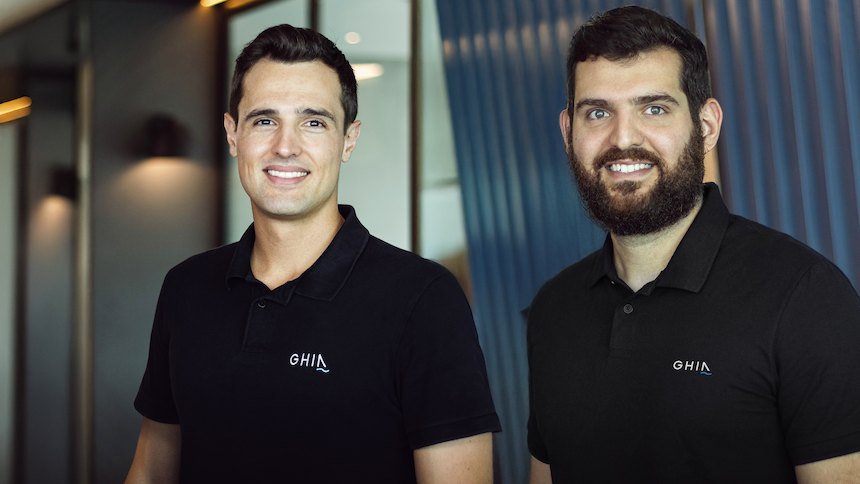
According to the founding partner of Ghia MFO, it was this environment that fostered the perception among families that simply accumulating wealth in land was not enough. It was necessary to start thinking about liquidity, protection, and succession.
This process led families to look more closely at planning beyond the family farm gate. Often, the demand began with holding company structures, but ended up expanding to topics such as tax and estate planning, local and international diversification, and broader asset organization.
Tax changes also helped accelerate this movement. The increase in some taxes, the rise in ITCMD (Inheritance and Gift Tax) in states like Goiás, and the prospects opened up by tax reform were factors that reinforced the search for structuring and governance.
To make this possible, in many cases what occurred was an interruption of the automatic reinvestment cycle in the business itself. Resources that would previously have been allocated to the purchase of new areas began to be directed towards more liquid alternatives, including abroad.
"It's funny that this investor goes straight from investing in CDI (Brazilian interbank deposit rate) to a diversified offshore account. But it makes sense because in their minds everything is in dollars," says Cestari.
This analysis also helps explain why Ghia sees room to win over clients who are currently underserved by banks, advisory firms, and private banking . According to Cestari, there are families with assets exceeding R$10 million who remain in traditional retail banking or concentrate almost all their assets in very conservative products, lacking an integrated vision encompassing investments, succession planning, tax issues, and corporate structure.
Up to this point, Ghia has expanded only organically, benefiting from the asset appreciation of its clients and referrals among families with similar profiles. But in its next phase, the company is already considering acquisitions in markets considered strategic.
The firm's assessment is that this movement is still in its early stages. According to Ghia, agribusiness remains focused on the raw material production stage, but should open up in the coming years for a cycle of greater industrialization, new businesses, and new demands for asset management.
“We are still in the production phase, dealing with raw materials, and we should also see a movement towards greater industrialization, with this wealth generating other businesses. It is a market that will grow significantly and needs guidance to do so,” says Cestari.