

Beaune - No region embodies the excellence of French winemaking as well as Burgundy . Its 29,000 hectares of vineyards produce some of the world's most celebrated wines—symbols of a millennia-old expertise that has transformed wine into a national cultural treasure and an object of global desire.
Although it represents only 4% of the country's vineyards, Burgundy accounts for 15% of the total value of wine exports. To give you an idea, Bordeaux occupies 13% of the vineyard area and produces about five times more; even so, it has an advantage of only three percentage points in international sales.
More than just financial performance, Burgundy is synonymous with exclusivity — one of the most coveted destinations for premium wine tourism .
For a long time, the proximity to Paris and Lyon, connected by high-speed trains, made the region a popular day trip destination. Today, however, in the search for less rushed, more authentic and immersive experiences, travelers are extending their stay.
In this new scenario, charming Beaune establishes itself as a gateway to Burgundy, combining high-end hotels, sophisticated gastronomy, and easy access to vineyards.
With only 20,000 inhabitants, the city's metropolitan area boasts 24 hotels classified as luxury. Considering all types of accommodation, there are approximately 15,000 beds.
Meanwhile, Dijon, the administrative capital of Burgundy and home to a population 13 times larger, has only 16,000 beds.
Considered the capital of Burgundian wines, Beaune attracts a growing number of international visitors — and, among them, Brazilians already figure in the top ten of the nationalities most present in the region.
The "Champs-Élysées" of Burgundy
Beaune benefits greatly from its privileged location — in the heart of the Route des Grands Crus .
Created in 1937, France's oldest wine route is known as the " Champs-Élysées of Burgundy." Between Dijon and Santenay, its approximately 60 kilometers cross some of the most revered terroirs on the planet—mostly Chardonnay and Pinot Noir , the region's predominant grape varieties.
Sometimes traveled by car, sometimes by bicycle, sometimes in a hybrid way, the route creates a kind of natural barrier against mass tourism. Its narrow roads and layout between historic villages limit the circulation of large groups and larger vehicles.
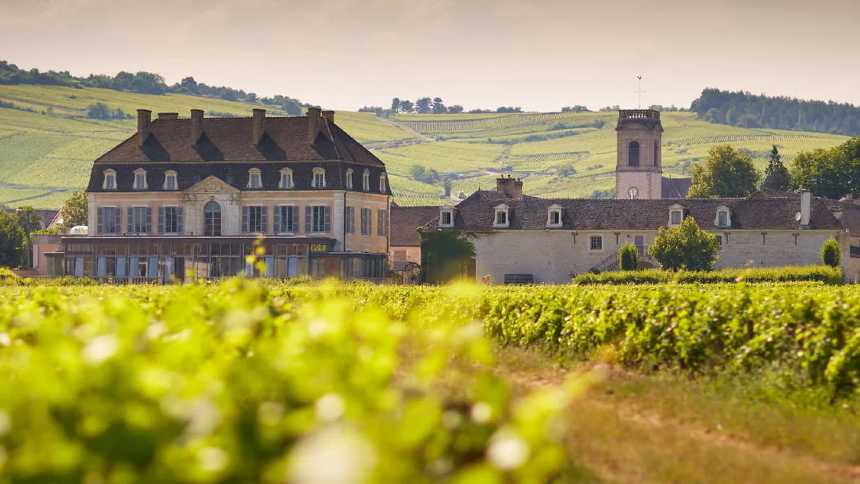
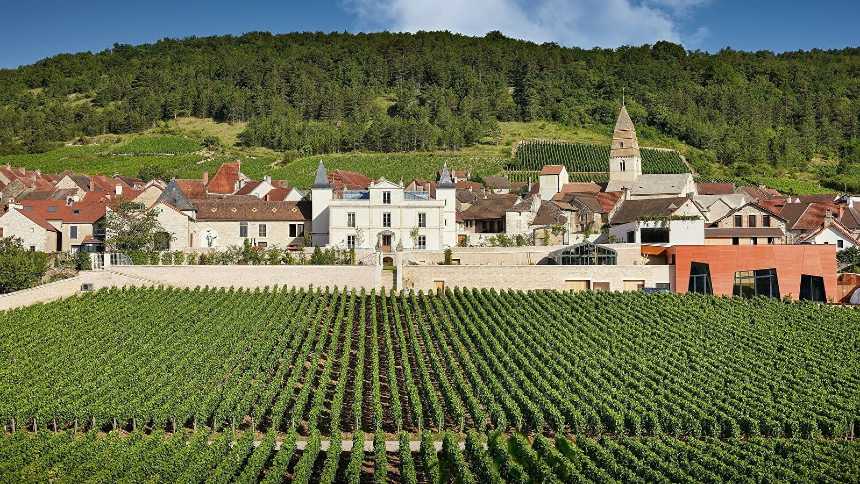
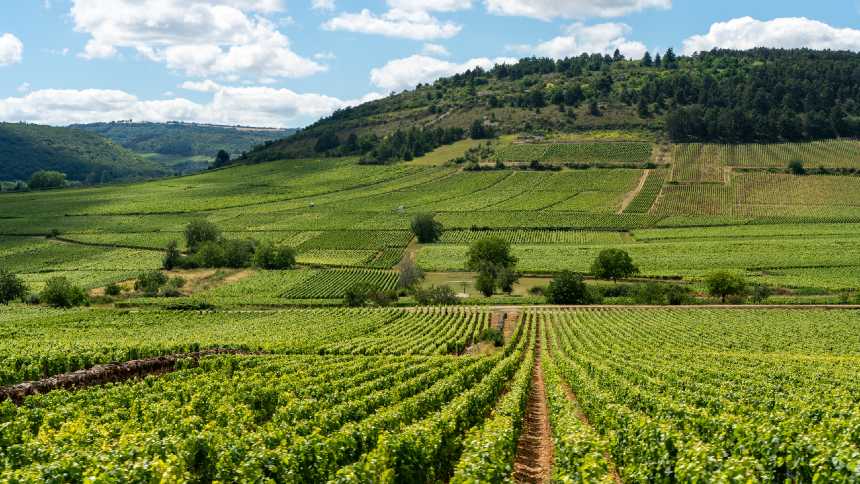
To understand the fascination this place holds for travelers, it's necessary to understand what makes the terroirs of Burgundy so special.
The region forms a mosaic of vineyard plots whose origins date back to the Middle Ages, known as climats . During the 6th and 18th centuries, Benedictine and Cistercian monks observed and cataloged the particularities of each micro-fraction of land to identify those that produced the best wines.
They took into account a meticulous combination of geological, topographical, and climatic factors. The level of precision is such that two vineyards adjacent to each other can have different climats —resulting, therefore, in distinct wines.
Micro-vineyards, great wines
The territorial mapping guidelines established by religious figures survived profound political transformations. The agrarian laws of the French Revolution and, later, the Napoleonic Code, abolished large landholdings, but they could not erase the invisible cartography of medieval religious orders.
That's why many vineyards are less than one hectare. The legendary Romanée-Conti , for example, barely reaches two and a half football fields. But there lies the origin of the most expensive wine in the world — in 2018, a bottle from the 1945 vintage was auctioned for US$812,000.
The monks' work was so perfect that virtually all the demarcations they established remain valid to this day. It is no coincidence that, in 2015, UNESCO recognized the Climats du Vignoble de Bourgogne as a World Heritage Site in the "cultural landscape" category.
Climats are so important that, in Burgundy, the wine classification system shifts the focus from the producer to the vineyard—as if the authorship lay in natural factors, and not in human hands.
“Around 90% of the tourists who come to me today want to visit the Route des Grands Crus ,” says Aline Mendonça, in an interview with NeoFeed . She has been creating personalized itineraries for 15 years.
The itinerary includes more than just vineyard visits. Château de Pommard, for example, offers tastings and oenology courses, while Maison Prosper Maufoux, in the village of Saint-Aubin, offers exclusive accommodation amidst the vines.
The flow of tourists along the route is concentrated between April and October, with September being the most popular month. At the beginning of the European autumn, some properties allow visitors to participate in the grape harvest.
The power of subtleties
Founded in antiquity, Beaune prospered during Roman rule thanks to livestock farming and, especially, viticulture. Two thousand years later, wine remains central to its identity.
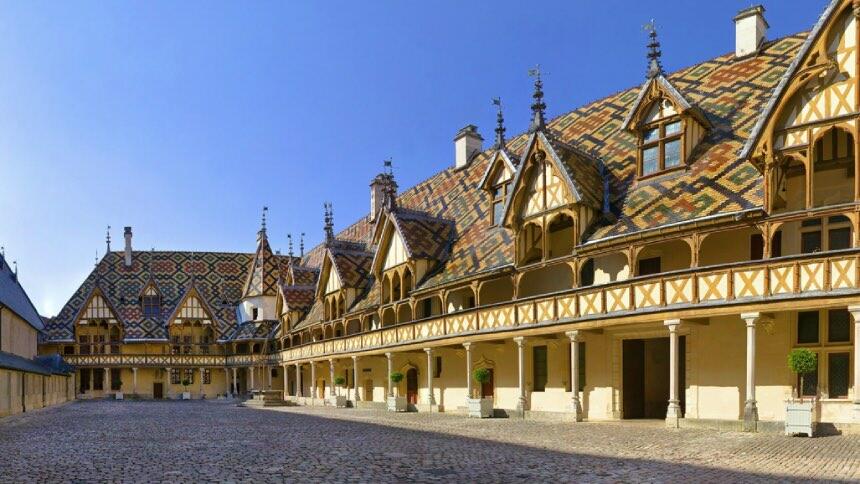
The most famous tourist attraction is the Hospices de Beaune. From 1443 to 1960, the place functioned as a hospital complex. Over time, the institution came to own vineyards donated by benefactors to finance the institution's charitable activities.
Now a museum, the Hospices receives 459,000 visitors annually. Many of them are drawn by the auction held on the third weekend of November. The event brings together dealers from around the world interested in the wine produced by the complex. Last year, a Chinese buyer took the main lot for €400,000 — a 228-liter barrel of the cult-classic Pommard Premier Cru.
Tradition occupies a central place in Beaune. It is expressed in historic institutions such as the Maison Bouchard Aîné & Fils, founded in 1750, and the Maison Champy, established in 1720.
In a region where vineyards are so fragmented, these houses have helped structure the local trade by selecting, producing, and marketing wines from different parcels.
The Burgundian heritage is also evident at the table. Boeuf bourguignon originated from the peasant custom of cooking beef cuts in red wine, while escargots à la bourguignonne transformed an ancient delicacy into an emblem of French cuisine.
In this area, Moutarderie Fallot deserves special mention. In operation since 1840 and maintained by the founder's family, it is one of the last independent manufacturers of traditional Dijon mustard.