

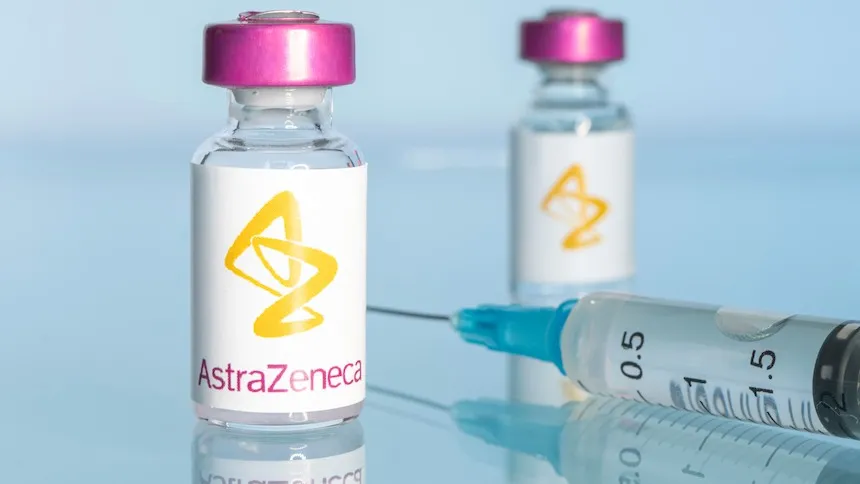
AstraZeneca is in talks with Bristol Myers Squibb about a merger that would create one of the world's largest pharmaceutical companies, valued at nearly $400 billion — the fourth largest by market capitalization.
Negotiations have been ongoing "for the past few months," according to sources cited by the Financial Times , but may not progress. Talks involving the potential deal were also confirmed by Bloomberg and Reuters .
Following news of the deal, AstraZeneca shares opened sharply lower on Monday, August 3, falling more than 7% in early trading on the London Stock Exchange. Bristol Myers, on the other hand, rose more than 4% in pre-market trading in the US.
According to figures from the Financial Times itself, AstraZeneca — the second most valuable company listed in the UK — is worth around £196 billion (US$264 billion), while BMS is valued at approximately US$133 billion.
The structure of the deal is not yet defined, but it is expected to involve a combination of cash and equity, according to sources cited by the newspaper.
The negotiation rekindles a memory from more than a decade ago. It was AstraZeneca's own CEO, Pascal Soriot, who rejected a hostile takeover bid from Pfizer in 2014 that valued AstraZeneca at nearly £70 billion.
At the time, he argued that the pharmaceutical company would be worth more as an independent company. Now, according to the Financial Times , he is the one leading the negotiations to merge with an American rival.
The partnership with BMS comes at a time when AstraZeneca is betting heavily on the American market, which already generates almost half of the company's revenue. Soriot has set a target of $80 billion in revenue by 2030 — compared to $58.7 billion last year. The company also completed a direct listing on the New York Stock Exchange this year.
Still, the executive himself told reporters last week that the company doesn't "need mergers and acquisitions" to meet that goal.
BMS, on the other hand, carries the label of being a laggard in the sector after its $74 billion acquisition of Celgene in 2019 failed to deliver the expected returns, and it faces significant revenue losses due to the expiration of key drug patents in the coming years.
One obstacle pointed out by the FT itself is that both companies have robust oncology divisions with direct product overlap. AstraZeneca's Imfinzi and BMS's Opdivo compete in the treatment of lung cancer—which could hinder antitrust approval of the merger.