

The saints of the future are (almost) just like us. They wear jeans, sneakers, and t-shirts. They play sports, go to the movies and the theater. They have fun with friends and dream of exploring the world. In tune with the innovations of the 21st century, they browse social media, play video games, listen to music, and watch movies on streaming platforms.
Since the pontificate of John Paul II (1920-2005), the Catholic Church has been trying to bring the concept of holiness closer to ordinary people — normally understood as something distant and represented by unattainable figures, always very virtuous, very pure and very pious.
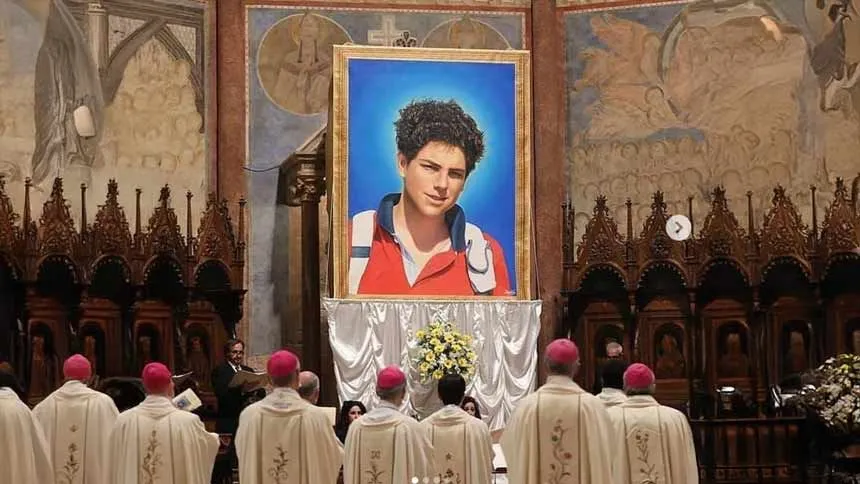
It is Pope Francis who now has the opportunity to modernize the divine. And he will do so in April 2025, during the Jubilee of Adolescents, by canonizing Carlo Acutis a saint. The first millennial saint , already announced as the patron saint of the internet , God's influencer , and cyber-apostle.
Dead in 2006 at the age of 15, the young man perfectly illustrates what the Pope defines as a "saint next door." A year ago, while praying the Angelus on the Solemnity of All Saints, Francis said: "If we think about it, we certainly already know some of them, some everyday saints: some righteous people who practice the Christian life with seriousness, with simplicity... those whom I like to call 'the saints next door,' who live normally."
“And Carlo was an ordinary boy, like any other,” recalls writer and expert in canon law José Luis Lira, professor at the State University of Vale do Acaraú, in Ceará, in a conversation with NeoFeed.
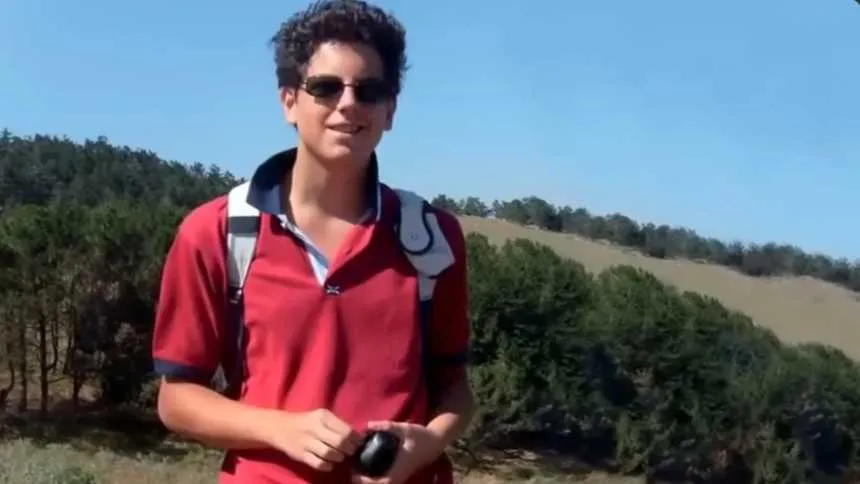
Born to Italian parents in London on May 3, 1991, the boy moved with his family to Milan as a baby. Carlo loved traveling and video games. He enjoyed hazelnut cream and chocolate with ice cream. He loved soccer and Pelé. Cheerful, he made his relatives, friends, and teachers laugh. A digital native, he learned to program at age 10.
Carlo was an ordinary teenager, but with deep compassion and dedication to her faith.
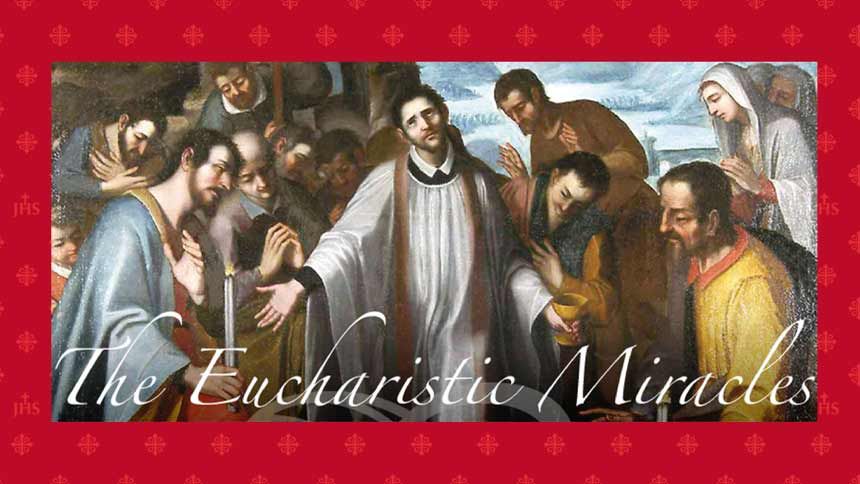
He paid special attention to the poor and elderly. One of his first savings, for example, was used to buy a sleeping bag for a homeless person he always met on his way to Mass. And he dedicated his technological skills to spreading the teachings of the Gospels. At age 11, he created the website The Eucharistic Miracles , a kind of catalog of Eucharistic miracles.
"He strived to be the best version of himself, living the ordinary in an extraordinary way," reads the teenager's profile on the Vatican website.
And that's it, the combination of the ordinary and the extraordinary, that makes contemporary saints, says Professor Lira.
Brazilian miracle
In the summer of 2006, however, a persistent case of the flu turned out to be one of the most aggressive forms of leukemia. "I am destined to die," the teenager announced in a video shortly after receiving the news of his illness. His health deteriorated rapidly, and on October 12th, he succumbed to cancer.
A devotee of Saint Francis of Assisi, he asked to be buried in the city of the patron saint of animals.
Thanks to the most modern techniques of thanatopraxy, since 2020 his body has been on display in the church of Santa Maria Maggiore in Assisi.
Wearing a sweatshirt, jeans, and Nike sneakers, the dead boy attracts an ever-growing legion of devotees; people from all corners of the planet. Relics of the teenager are scattered throughout the world—including in Brazil. Carlo is already a global phenomenon.
“His story is marketed through the media that the new generation uses, especially TikTok, Instagram, and YouTube. His biographies take the form of comic books or young adult novels. Biographies with titles like Saint in Sneakers and God's Computer Genius mix narratives of his holiness with discussions about his love for Nutella and his struggle with weight (...) searching for information on Google and his passion for Pokémon and Halo video games,” says Michael A. Di Giovine, professor of anthropology at West Chester University in Pennsylvania, in an article for The Conversation platform, titled Italian teenager Carlo Acutis' upcoming canonization reflects the Vatican's desire to appeal to a new generation of Catholics.
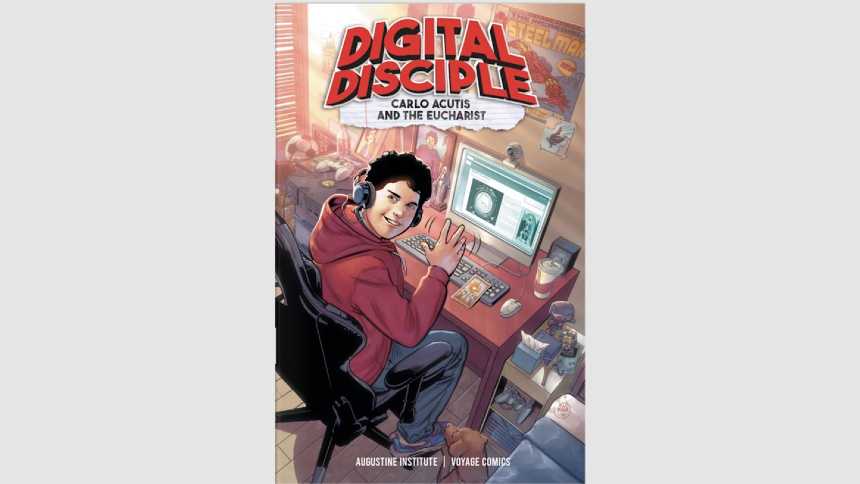
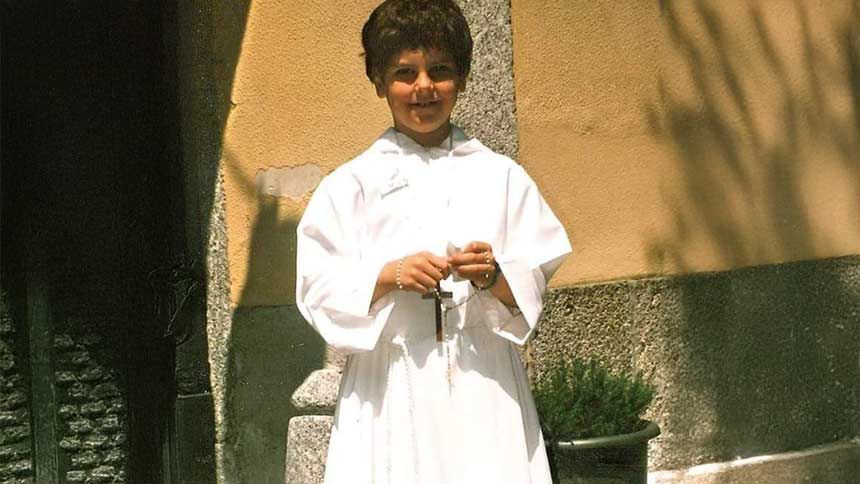
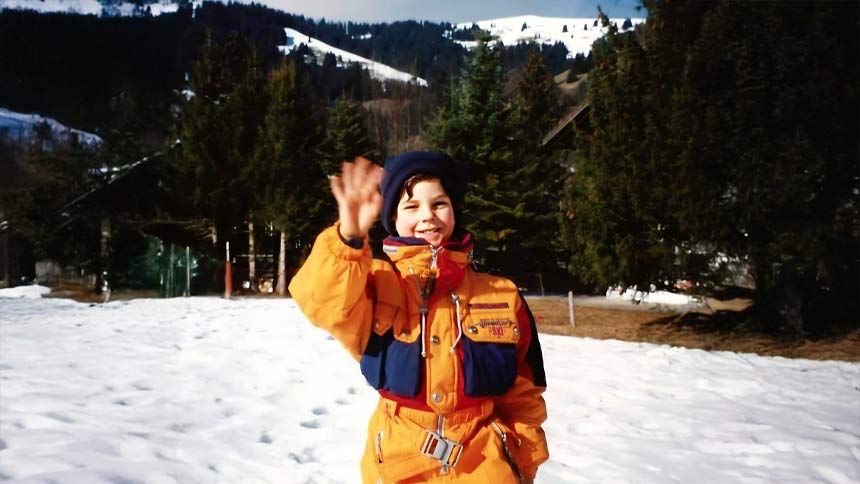
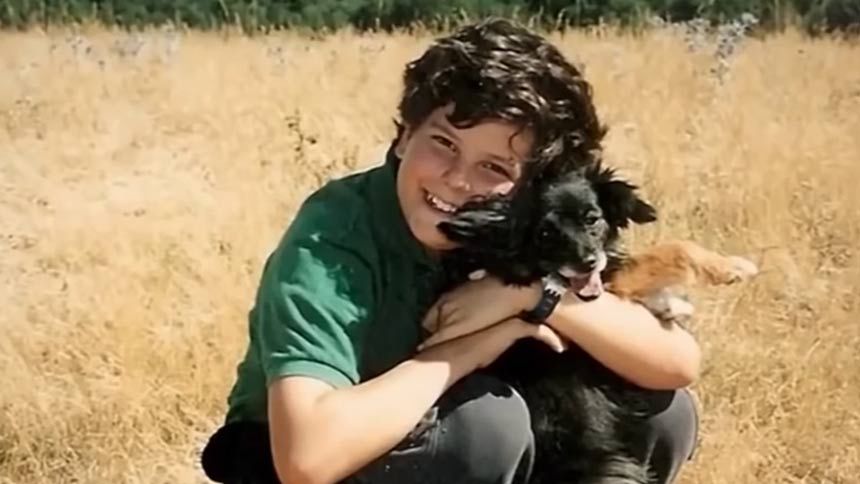
For someone to become a saint, the Church requires verification, by doctors and scientists from the Vatican, of two miracles. The first makes the individual blessed, which happened, in Carlo's case, in October 2020.
Due to a congenital pancreatic anomaly, a teenager from Campo Grande vomited all the food he ingested. Given up for dead, the boy was taken by his grandfather to the Church of Our Lady of Aparecida. There, after the grandson touched a garment belonging to Carlo (the garment had been sent to Mato Grosso do Sul some years earlier by his mother, Antonia Salazano), the two prayed to the English boy, and the Brazilian was said to have been cured.
The other miracle attributed to Carlo was recognized last May. After falling off her bicycle and hitting her head, a young woman from Costa Rica went into a coma. The team responsible for her care was adamant: the situation was irreversible. However, after her family asked for Carlo's intercession, she "inexplicably" recovered, without any lasting effects.
In search of a new generation of believers.
The canonization of the teenager comes at a time when younger people are distancing themselves from the Church and signals the Vatican's quest to attract a new generation of Catholics, one that is more modern, cosmopolitan, and connected to the digital world.
Being a saint of our time identifies and brings Charles closer to the faithful. An example to which the Church can point and say: “The guy you should follow is a guy very much like you,” says Father Will Conquer, a missionary in Cambodia and author of the book *The Young Person's Path to Sainthood*, in a report by The New York Times .
A "guy" who uses social media, according to the Vatican, in a remarkable way.
Writing to young people in 2019, Francis stated: “I saw that many young people, although they seemed different, in fact ended up being the same as others (...) they do not allow the gifts that the Lord has given us to blossom, they do not offer this world those very personal and unique abilities that God has sown in each one.” He concluded by quoting a phrase from Carlo: “Everyone is born an original, but many die as photocopies,” finishing with “don’t let that happen to you.”
The new saint “aligns with the Church’s ongoing approach to issues related to AI, science and technology, which the Pope insists should be used in service of human dignity and development,” writes Liam Temple, a Capuchin fellow in the history of Catholicism at Durham University in England, in Carlo Acutis: what the first 'millennial saint' says about the Catholic Church's future , also for The Conversation website.
There's more. Among Catholic saints, Carlo is one of the rare ones who made use of the technology for which he is considered the patron saint—which further reinforces the idea of a connection between him and the devotees of his time.
Typically, these associations have no direct historical basis and often reflect cultural interpretations.
Saint Clare of Assisi, for example. The medieval nun is considered the patron saint of television because, ill and unable to attend Mass, she is said to have divinely inspired a vision of the Mass projected onto her bedroom wall. Or Saint Gabriel the Archangel, protector of telecommunications. Considered God's messenger in biblical mythology, he is the one who informs Mary of Jesus' arrival.
And what about Saint Joseph of Cupertino, who, because of his levitation experiments in the 17th century, became the patron saint of aviation and space travel? Neither of them could be next door. Carlo, however, could be.