


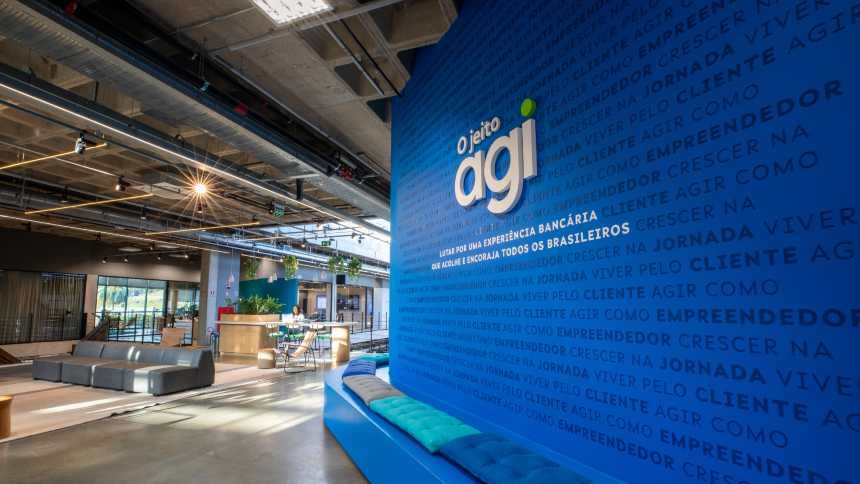
Agibank is implementing one of the moves most demanded by the market since its debut on the New York Stock Exchange (NYSE): the pursuit of recurring revenue to reduce its dependence on credit.
The bank is launching Agi+, a subscription-based benefits and assistance program tailored for low-income populations and the "silver economy."
The goal is to address one of the biggest weaknesses in the institution's balance sheet and increase the share of service and fee revenues, which currently account for less than 5% of Agibank's revenues.
“The logic behind the recurring revenue strategy is to make the company less subject to volatility,” says Glauber Corrêa, CEO of Agibank, to NeoFeed .
"Credit in Brazil has a cyclical nature, putting pressure on portfolio quality and business performance. In this context, the more balanced the composition of revenues, the greater the predictability of results tends to be."
Agi+ combines health, dental, home, pet, telephone, elderly care, and shopping discounts into a single monthly fee (plans ranging from R$39.90 to R$59.90). The offer was designed to meet the needs of the bank's predominant customer base: lower-income, older, and less educated clients.
Unlike banks and fintechs that focus on subscription programs centered on cashback or streaming – such as Itaú 's Combinaqui – Agibank's strategy focuses on addressing the basic pain points of its target audience, namely reducing the impact of everyday and unexpected expenses on the family budget.
One of the focuses is on healthcare, with access to telemedicine and consultations and exams in low-complexity, affordable clinics, addressing a bottleneck that accounts for approximately 70% of the waiting lists in the Brazilian public healthcare system (SUS).
The proposal also seeks to transform the accumulated knowledge about a base of more than 7 million active customers into a cross-selling lever. The idea is for the program to function as a gateway to market higher-margin products, such as life insurance and unsecured loans, in addition to protecting the relationship.
According to Corrêa, clients with higher engagement exhibit lower churn and lower default rates. Today, each active Agibank client maintains, on average, five products with the bank. Among clients considered "key" (with more than one year of relationship), the number exceeds seven.
“The more benefits you offer the customer, the harder it is for them to seek out a competitor for a broader relationship,” says Corrêa. “That’s our main strategic focus right now.”
Despite being a novel approach to low-income individuals, the strategy presents its own challenges. In a context where income is already burdened by debt, maintaining a monthly payment of up to R$ 59.90 requires an immediate perception of value, otherwise high cancellation rates may arise.
Furthermore, selling recurring products to less educated audiences requires strict governance to avoid challenges from consumer protection agencies regarding "tied selling" or improper charges.
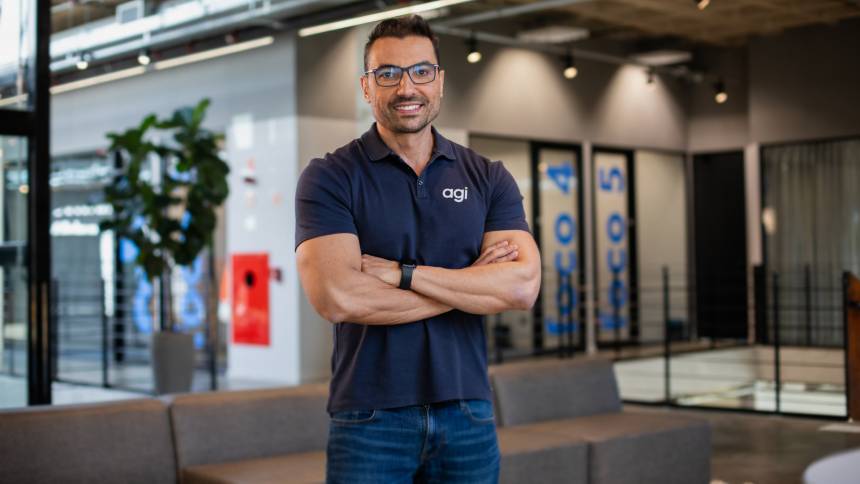
The urgency to diversify businesses has become evident in recent months. Agibank reopened the window for Brazilian IPOs on the NYSE with a thesis focused on payroll loans – and raised US$240 million. However, since its IPO, the bank's shares have fallen by 35.9%, reducing its market value to US$1.1 billion.
The company saw increased investor scrutiny after the INSS ( Brazilian National Social Security Institute) temporarily suspended, at the end of last year, the acceptance of new payroll loan registrations from the institution. Although the operation was resumed in January after an agreement with the agency, the episode highlighted the regulatory risk and excessive dependence on a single line of business.
In May, following the first-quarter results, Itaú BBA downgraded its recommendation for Agibank shares from buy to neutral, highlighting the impact of the INSS (Brazilian Social Security Institute) episode. It also cut its 2026 profit projections by 17.3% (to R$ 1 billion) due to reduced visibility regarding future earnings.
BTG Pactual , while maintaining its buy recommendation, emphasizes that regulatory risks related to payroll-deducted loans remain on the radar.
The immediate litmus test to gauge the bank's recovery comes after the stock market closes on Wednesday, August 5th, with the release of second-quarter results. The consensus projections compiled by Bloomberg point to a profit of R$210 million for the period.
Analysts will be watching not only the speed at which payroll loan origination recovers, but also the first signs of traction in service revenues.
The CEO of Agibank acknowledges that the transition will be gradual and does not set a rigid percentage target, but assures that progress will be constant.
“We know that an IPO brings great visibility and responsibility, but it doesn’t change our execution discipline,” says Corrêa.
"Our goal is to ensure that, each year, this revenue from services has a greater share than it did in the previous year," he adds.