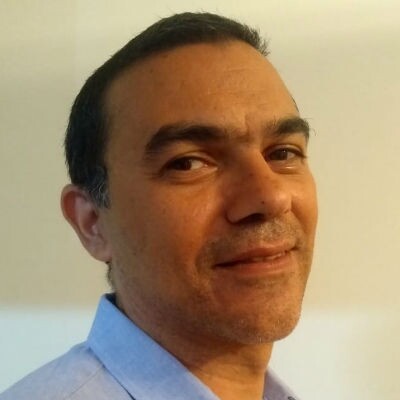



Amidst negotiations for its restructuring , Oncoclínicas announced on the morning of Thursday, April 16th, that it had received the resignation request of Bruno Ferrari , founder and former CEO of the oncology treatment group, from his positions as member and vice-president of the company's board of directors.
The announcement comes just over a week after the resignation of Marcelo Gasparino da Silva, who chaired the board , which led to the dismissal of the other members of the board of directors. The new members will be elected at an Extraordinary General Meeting convened for April 30.
In the relevant fact, Oncoclínicas informed that, until the Extraordinary General Meeting, the positions of Ferrari and Silva will be filled, respectively, by Mateus Affonso Bandeira, nominated by Mak Capital , and by Carlos Gil Ferreira, who replaced Ferrari in the leadership of the group at the beginning of March of this year.
Bandeira, in turn, is a member of the boards of Vibra Energia, Sabesp, and Intelbras. He has also served on the boards of companies such as Marcopolo and Oi. He also led the telecommunications operator during 2024.
According to Oncoclínicas, Ferrari's departure from its board of directors aligns with the conditions presented by Mak Capital, which currently holds a 6.3% stake in the company, and Lumina Capital , to grant a line of credit to the group and its subsidiary OncoProd.
The company also announced today that the transaction in question was approved by its board of directors and involves a line of credit between R$100 million and R$150 million, depending on the value of the available guarantees.
According to Oncoclínicas, the amount will be used to purchase medications from OncoProd and aims to preserve revenue generation for both companies, as well as the continuity of their essential supply chain.
The operation will involve the establishment of a fiduciary guarantee for receivables from contracts entered into by Oncoclínicas' accredited network with health plan operators, hospitals, and insurance companies. It will be subject to the execution of definitive documents and the fulfillment of certain conditions.
The path to this green light includes, for example, defining the amount of receivables to be assigned in trust, and obtaining the necessary approvals from health plan operators, hospitals, and insurance companies for the allocation and direction of these receivables.
These latest announcements come two days after Oncoclínicas filed for an injunction in the third court of São Paulo to prevent the early maturity of debts under negotiation with creditors.
Last week, in an indication of this direction, when releasing its annual results, the company reported leverage of 3.5 times, compared to the previous rate of 2.6 times, and at a level very close to the limit of its covenants.
In parallel with all these developments, last Monday, April 13th, Oncoclínicas saw Porto and Grupo Fleury put an end to negotiations to buy a stake in its operation.
As NeoFeed learned at the time, the demand from Porto and Fleury that the company directly enter into an extrajudicial recovery process – the most likely path for the group so far – was one of several points of disagreement in this conversation.
With the duo's withdrawal, market expectations fell precisely on the only alternatives on the table for the company, centered on Mak Capital, a hedge fund manager that, since the beginning of this year, has taken on the role of activist investor to block the agreement in question.
With this guidance, before the conclusion of negotiations with Porto and Fleury, Mak Capital, among other terms, proposed precisely the removal of the board of directors of Oncoclínicas, with the election of two members nominated by it.