


The first artificial intelligence boom fueled demand for video cards and turned Nvidia into a phenomenon , after its shares soared more than 1,000%, raising its market value to nearly US$5 trillion — almost US$1 trillion above the market cap of Alphabet, the second most valuable company in the world.
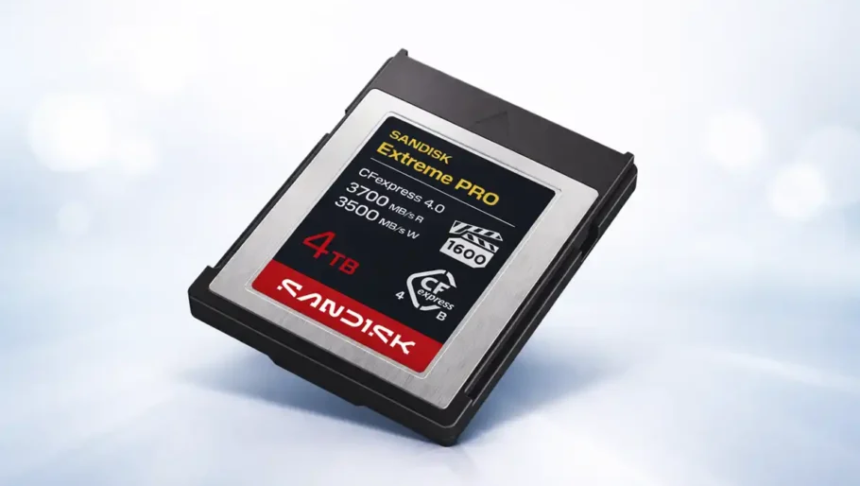
Now, attention turns to the physical memory market, which, like the video card market, has been in high demand in the construction of data centers focused on artificial intelligence processing. In this race, the biggest symbol has been SanDisk.
One of the world's largest SSD manufacturers, SanDisk is among the biggest gainers in the American market, with its shares rising 2,736% in the last twelve months. This year alone, the stock has risen approximately 280%.
The performance boosted its market value to US$133 billion and was crowned on Monday, the 21st, with the listing of SanDisk shares on the Nasdaq-100 — one of the main stock indices in the United States.
The market's strong optimism is explained both by the recent increase in demand and by the expectation of ever-increasing margins, given the scarcity of SSDs in the market. Analysts at Evercore, for example, estimate that the supply to meet the needs of new data centers will be insufficient until at least 2028.
Faster SSDs were already replacing hard drives in traditional data centers. In AI-focused infrastructures, however, they have become essential, since the models require access to large volumes of data, both in training and execution.
This AI boom has translated not only into SanDisk's stock performance, but also into its financial results. In the fourth quarter, the company reported $3 billion in revenue — a 61% year-over-year increase and a 31% increase compared to the previous quarter.
For the next quarter, SanDisk remains optimistic, with revenue guidance of US$4.8 billion, 59% higher than that recorded in its last financial report.
But, beyond gross revenue, it's the company's margins that have been most impressive to analysts. With increased demand driving up SSD prices, SanDisk's gross margin rose from 32.5% to 51.1%, catapulting net profit by 386% in the last quarter to US$1.13 billion. According to the most recent guidance, this margin could reach 67% in the first quarter's results.
The next earnings report is due on April 30th. Until then, investors should continue to wonder if SanDisk's stock price hasn't risen too quickly. According to the median analyst estimate compiled by Nasdaq, the fair value would be $750 per share, 17% below the current price of around $900.
On the other hand, SanDisk has exceeded market expectations, both in share price and quarterly results. In the latest earnings report, for example, earnings per share were 71% above the median consensus projection.