


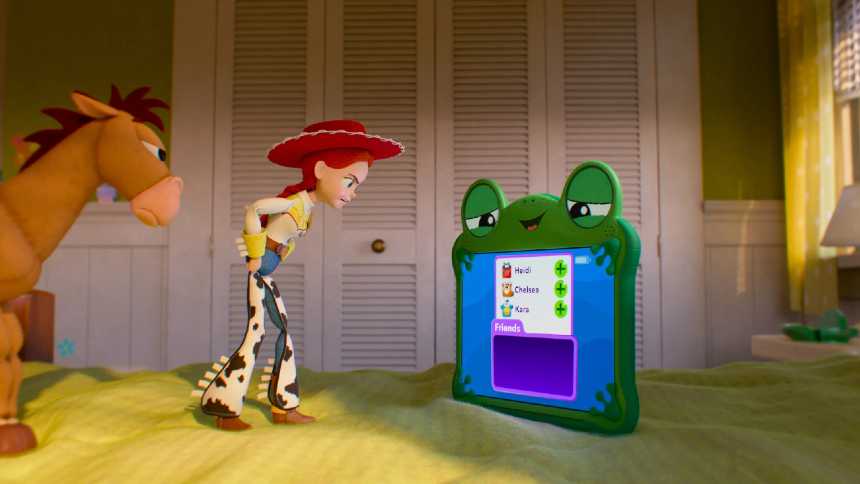
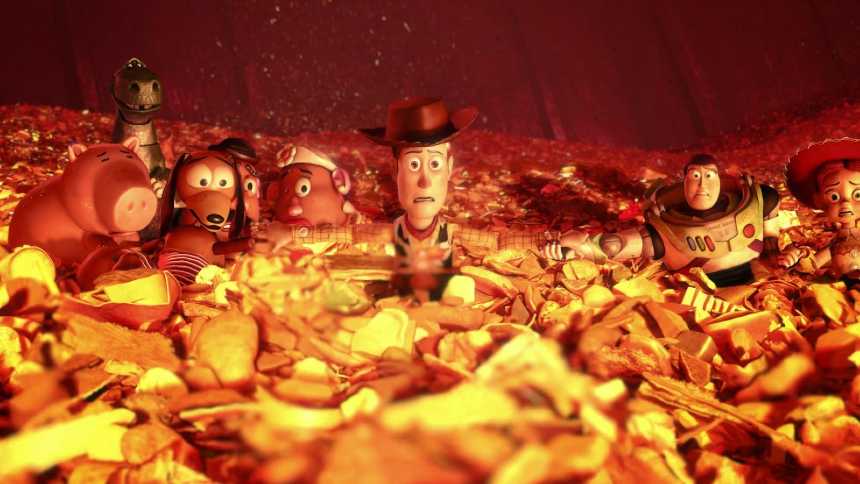
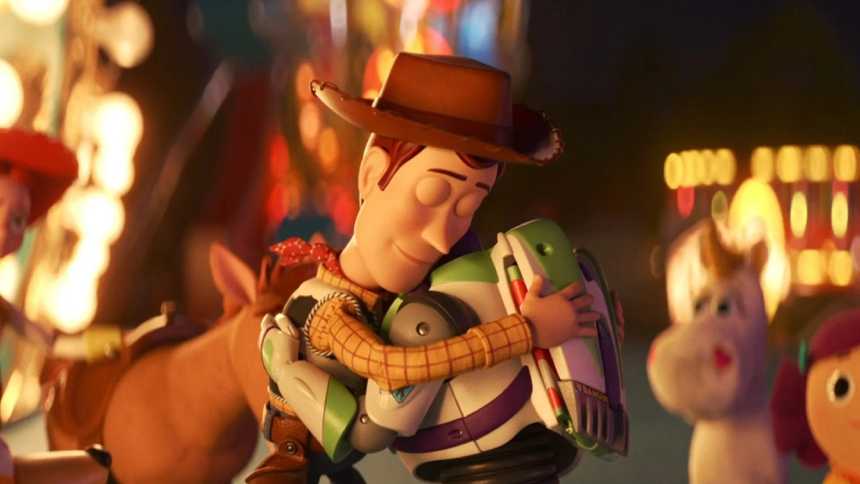
In the fifth adventure of the toy gang, Sheriff Woody, astronaut Buzz Lightyear , and cowgirl Jessie face the inevitable: technology . And the "enemy" couldn't be more ironic, since the toys themselves revolutionized the history of animation with Toy Story (1995), the first feature film made entirely with computer graphics.
This explains why Toy Story 5 , released in theaters this week, is taking a soft stance against smartphones and tablets, which now compete for the attention of young Bonnie. This is because, throughout its history, Pixar Animation Studios has always championed the harmony between human creativity and technology—never allowing digital resources to overshadow the story itself.
In the new plot of the franchise, responsible for a worldwide box office of over US$3 billion, with four films and a spin-off ( Lightyear ), the "threat" is a tablet called Lilypad. As the electronic device begins to monopolize Bonnie's attention, the dolls, led by Jessie, decide to fight to maintain their importance in the eight-year-old girl's life.
Although the girl still prefers traditional toys, she is influenced by her new friends, children totally obsessed with digital entertainment. This leads to a debate to decide who can best capture Bonnie's imagination.
The plot is merely a pretext to explore the pros and cons of life in the digital age, focusing on childhood. "Because it's such a broad theme, we knew the whole film needed to revolve around technology as an important part of our lives today," said Lindsey Collins, producer of Toy Story 5 , in a virtual meeting with journalists, which NeoFeed attended.
"And the secret was reflected in what we observed around us, instead of developing the story with a preconceived opinion. We analyzed our complicated relationships with technology, including that of our children, so that we could start from the truth and not from judgments," commented the producer.
Not by chance, Lilypad enters Bonnie's life with the best intentions. Because she wants to help the girl, she resorts to what she knows: data and numbers. "As if it were possible to present a checklist for your son to become president of the United States at age 30," Collins joked.
Because the device's approach isn't based on experience, it ends up having flaws. Lilypad does manage to connect Bonnie, who has no friends, with other children in virtual chat rooms and online games.
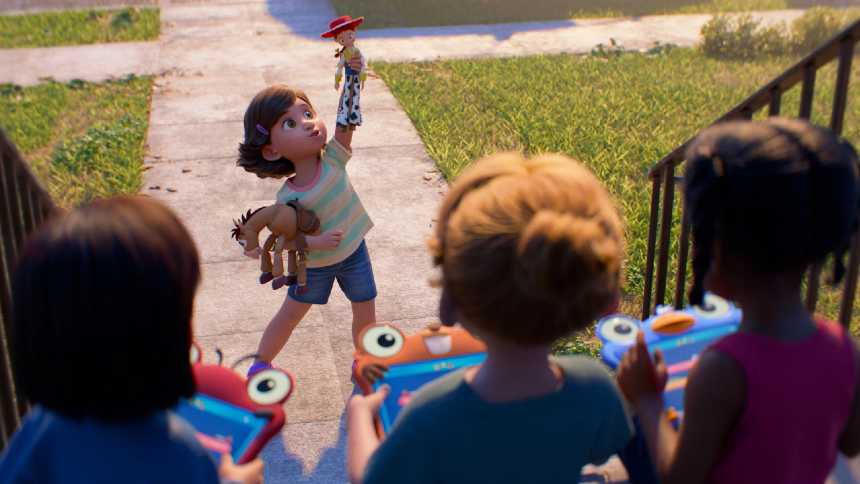
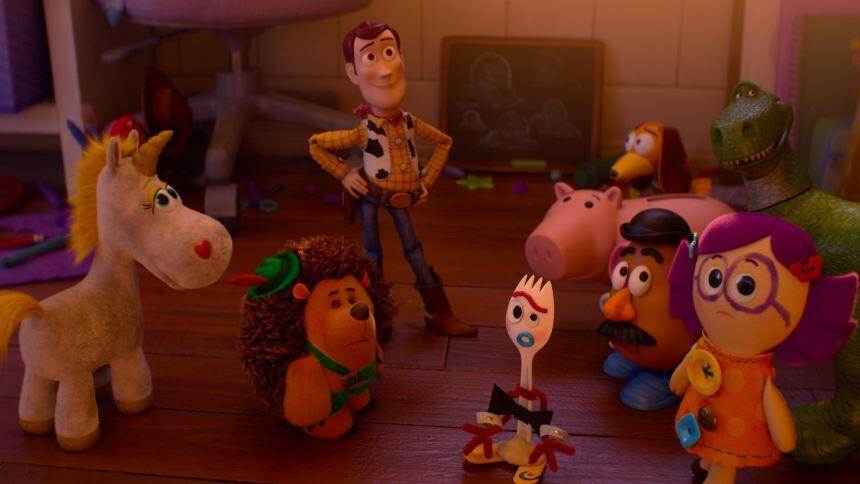

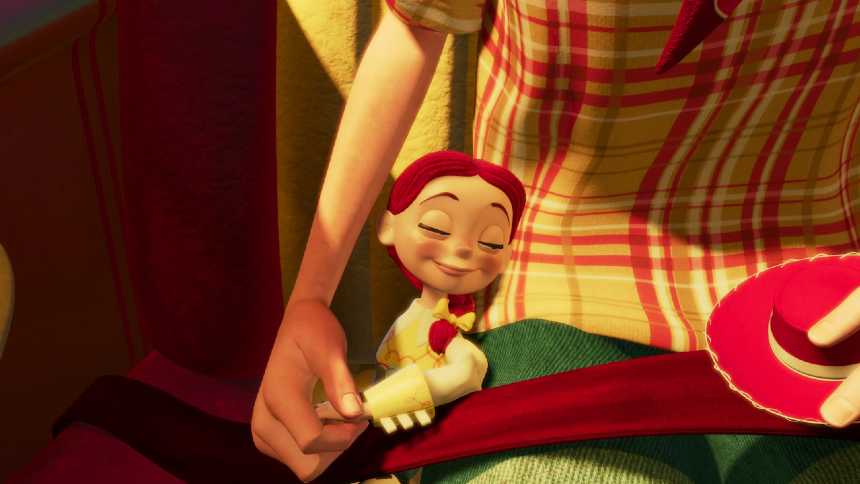
But it's clear that the tablet isn't able to help the girl when it comes to creating connections with the real world. The Jessie doll seems to have a better chance of achieving this, by bringing the children who play with it face to face.
And this leads to the coexistence of import between imagination and technology, which the studio located in Emeryville, California, has valued since its founding. “Our focus has always been in the right place. We know that technology will impress the viewer for about three seconds. After that, however, it needs appeal and emotional connection for the audience to feel something real. And that's where Pixar animators are unparalleled, creating characters that seem alive,” said Pete Docter, the studio's creative director, who also participated in the panel.
In terms of legacy, the first Toy Story , made with a budget of US$30 million and responsible for worldwide box office earnings of over US$373 million, was a cinematic landmark, influencing how films have been made ever since.
Preserved by the Library of Congress of the United States for its “cultural, historical, and aesthetic significance,” the production triggered a technological revolution by proving that a feature film could be made entirely using computer graphics. At the time, RenderMan, the software responsible for rendering (the processing of all the calculations of the 3D scene, creating characters and settings), was still a very new tool.
Since each frame was a visual effect, totaling more than 16,000 effects, Toy Story ended up expanding the limits of what was possible to do in cinema with computers. And its audacity paved the way for CGI blockbusters at all the major studios.
The toy franchise is also a testament to technological evolution since the 90s. "In the first Toy Story , when Woody gets his forehead burned by the boy Sid, he plunged his head into the dog's water bowl, but we don't see the water," Docter noted.
The solution to the problem, since it was still impossible to represent water in the animation universe, was to fill a bowl of colorful ring-shaped cereal. So, when the puppet takes its head out of the bowl, it comes out with cereal stuck to its eyes, simulating glasses, which makes the audience laugh.
"Now, in Toy Story 5 , when Jessie runs into the house but her mother appears, she falls face-first into the dream pig's water bowl while pretending to be dead. That's how the water cycle is completed," said Docter, adding that there's nothing Pixar can't represent in its films these days.