

For decades, winegrowers in different regions uprooted grape varieties considered "inconvenient" from their lands. These were varieties that ripened too late, produced low yields, or had excessive acidity for the market standards of the time.
Today, climate change and the high-end consumer's pursuit of exclusivity have reversed this dynamic. Instead of discarding the past, producers and wineries are discovering relics that may be the key to preserving the identity and quality of great wines in the face of the transformations imposed by global warming.
In 2024, a review published in the journal Nature Reviews Earth & Environment , conducted by researchers from the University of Bordeaux , based on more than 200 scientific studies, estimated that approximately 90% of the traditional lowland and coastal wine regions of Spain, Italy, Greece, and Southern California could become unviable for viticulture by the end of the century.
Although they are outside the extreme risk zone, emblematic areas such as Bordeaux,Champagne and Burgundy in France are experiencing similar impacts.
Excessive heat during the grape ripening cycle raises sugar levels in the fruit, resulting in wines with high alcohol content and low acidity. To preserve the balance of their labels, many winemakers have taken on the role of hunters of forgotten grape varieties.
"The archaeology of wine is exceptional work. Preserving high-quality grape varieties has a historical function and is fundamental at this moment when everyone is thinking about the future of the sector in the face of climate change," says Arthur Azevedo, professor at the Brazilian Association of Sommeliers of São Paulo (ABS-SP) . "And the more different grape varieties that reappear, the better for those who love wine."
In the Champagne region of northeastern France, for example, the three main grape varieties, Chardonnay , Pinot Noir , and Pinot Meunier, have always depended on the humid and cool climate of the northeast of the country for slow ripening and the preservation of the acidity essential to the region's style.
With warming, this balance has been disrupted: according to the Champagne Committee, the total acidity of local wines has fallen by an average of 1.3 grams per liter in the last 30 years. This change compromises the freshness and the very identity of the drink, as well as its aging potential—that is, its ability to age in the bottle without losing quality.
The answer to this problem comes from two varieties also permitted by law, but nearly extinct: Arbane and Petit Meslier. For centuries, these varieties were not cultivated because they were considered to be of low quality and difficult to manage.
Both ripen slowly and retain a high acid content. What was once considered an "inconvenience" in a time when summers were cold in northeastern France has now become an advantage.
Arbane's "finesse"
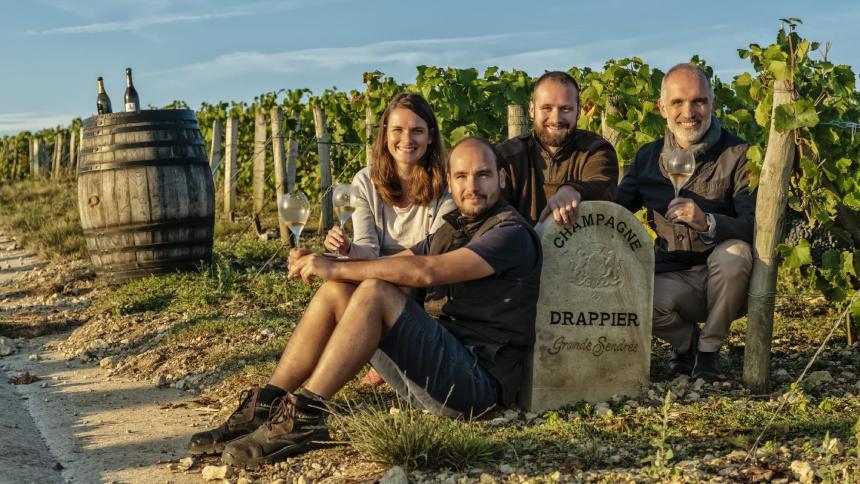
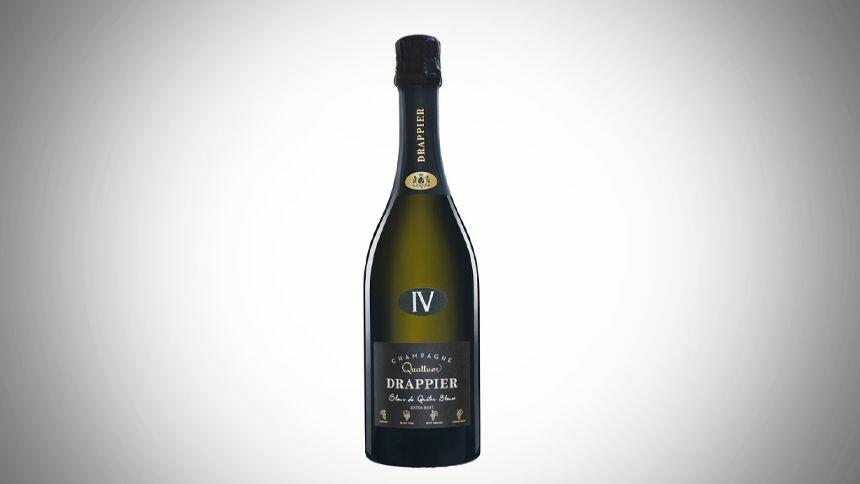
About 20 years ago, Maison Drappier began experimentally replanting these grape varieties to preserve regional genetic diversity. This led to the creation of Champagne Drappier Quattuor, a cuvée that blends equal parts Chardonnay, Blanc Vrai (the local name for Pinot Blanc), Arbane, and Petit Meslier.
Quattuor is considered by Drappier's own website to be the first and only white Champagne made with four different white grape varieties. Michel Drappier defined the use of the two forgotten varieties as "a way of building something new from old elements".
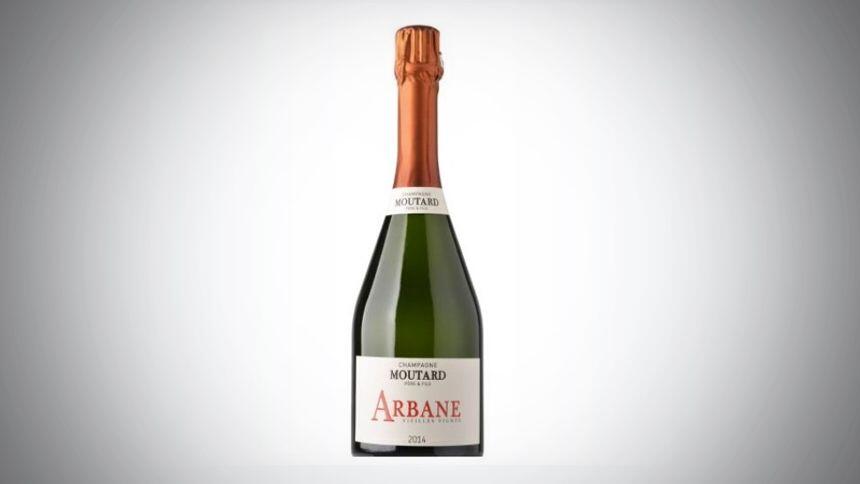
This movement has stimulated other local properties. This is the case of Maison Moutard, with its Cuvée Cépage Arbane Vieilles Vignes, and the artisanal winemaker Olivier Horiot — both producing limited editions of 100% Arbane Champagne.
The labels attracted the attention of wine critics, including Master of Wine Essi Avellan , who, in an article about the ancestral grape varieties of Champagne, highlighted the high acidity and finesse of Arbane as qualities that make it potentially interesting for producers in the region.


In other European regions, varieties rescued for cultural or historical preservation reasons are also proving resistant in the current climate context. In Catalonia, Spain, the traditional Familia Torres has been leading a project for over four decades aimed at locating strains that survived the phylloxera plague of the 19th century.
The winery itself states that these recovered varieties "stand out for their resistance to drought and high temperatures, making them particularly interesting in the face of the new climate scenario."
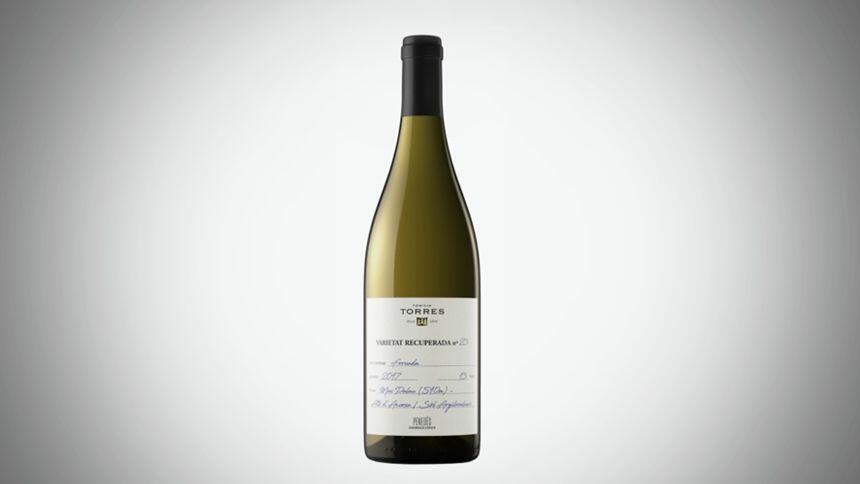
From this effort, Forcada, a slow-ripening white grape, emerged. While commercial varieties like Chardonnay are harvested in August, it only completes its cycle in October, allowing the plant to develop complex aromas and preserve a vibrant acidity with a low pH, even under strong thermal stress.
The initiative resulted in the prestigious Familia Torres Forcada, a pure varietal wine in a limited edition, with a production of only 4,800 bottles per year.
True stories and balance
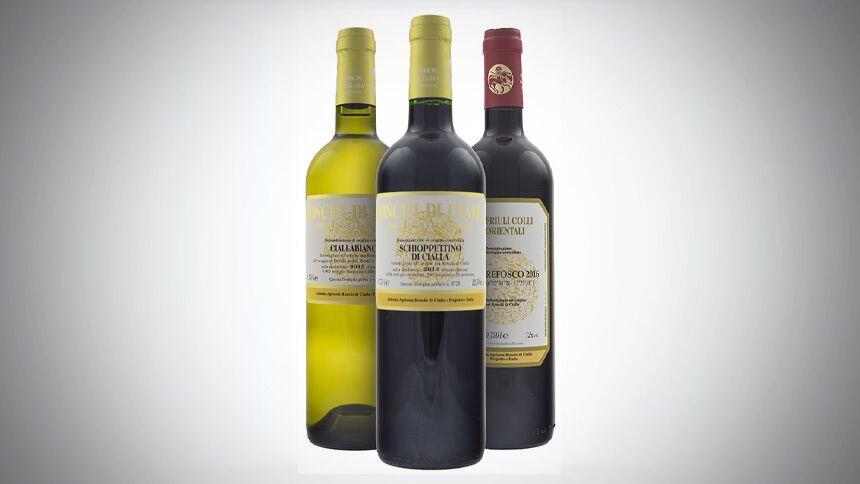
In Italy, the scenario is repeated. Schioppettino, a red grape from Friuli, documented since the 13th century, became technically extinct in the 1970s not only due to commercial abandonment, but also because of a 1976 decree in which the government of the commune of Prepotto prohibited its planting and winemaking—the grape variety was not on the list of permitted varieties in the far northeast of the country.
In 1977, the authorities in Udine, the region's capital, held an emergency meeting known as "Save the Schioppettino!" With the support of the Nonino family, grappa producers, and the pioneers Paolo and Dina Rapuzzi, from the Ronchi di Cialla winery, the veto was overturned the following year.
Even against the law, during the prohibition period, the Rapuzzi family cultivated the last specimens of the grape. Today, their Schioppettino di Cialla has become a red wine with limited production and high longevity.
The great advantage of Schioppettino is that, even in warm vintages, the plant matures while maintaining its vibrant acidity and alcohol content around 12.5%.
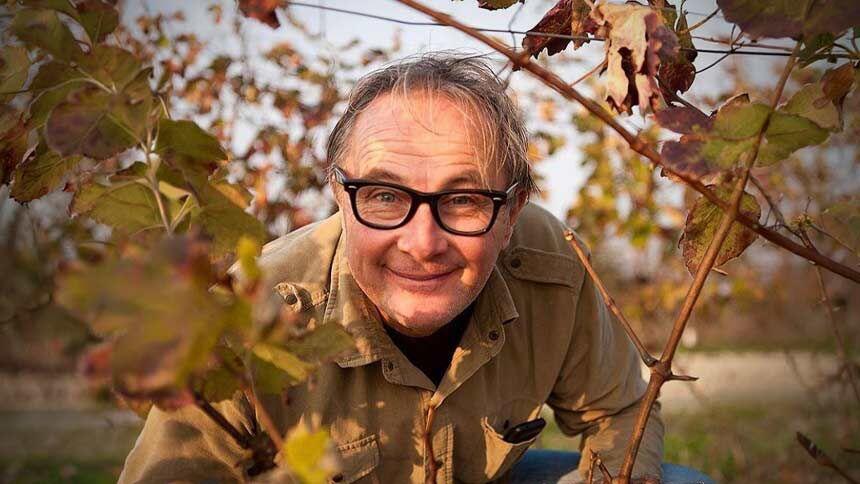
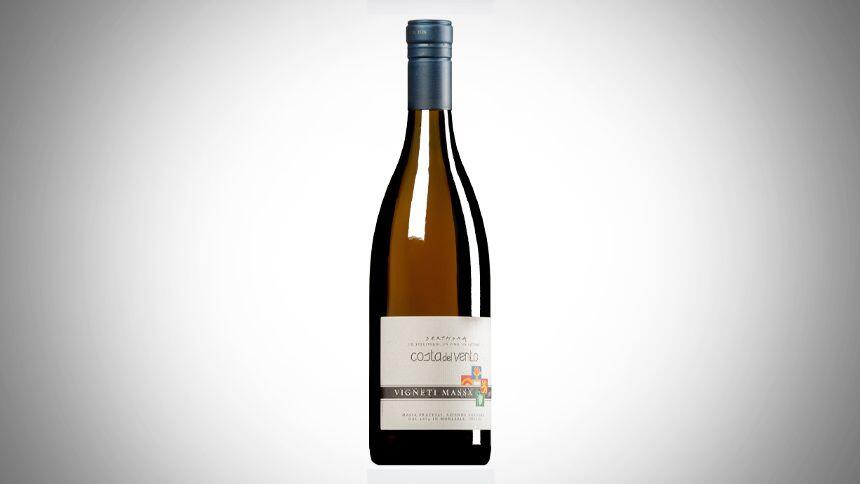
In Piedmont, Timorasso occupied only half a hectare in 1985, until producer Walter Massa led its recovery to defend the typical characteristics of the Tortona region against market standardization. Today, Derthona Costa del Vento is valued for its mineral texture and extraordinary aging potential.
The Timorasso grape variety is known for its naturally low pH and high acidity, characteristics that make it particularly valuable for producing fresh, long-aging white wines. Over the last 40 years, Timorasso plantings have grown from half a hectare to 500 hectares—and Decanter magazine points to it as a candidate to become the next star of Italian white wines.
According to Rodrigo Mainardi, from the importerMistral , the high-end market has shown itself open to trying new things.
“Consumers seek authenticity, real stories, they want to know about the vintages behind the labels and, above all, they desire balance,” says the executive. And that is exactly what the grapes rescued from abandonment offer.