


A single pair of sneakers consumes almost 5,000 liters of water to produce. Composed of about 40 different materials (mostly synthetic), it is difficult to recycle. It requires disassembling each item and sending each one to specific recycling streams. This complication condemns 22 billion shoes to landfills worldwide every year. The consequences for the planet are disastrous.
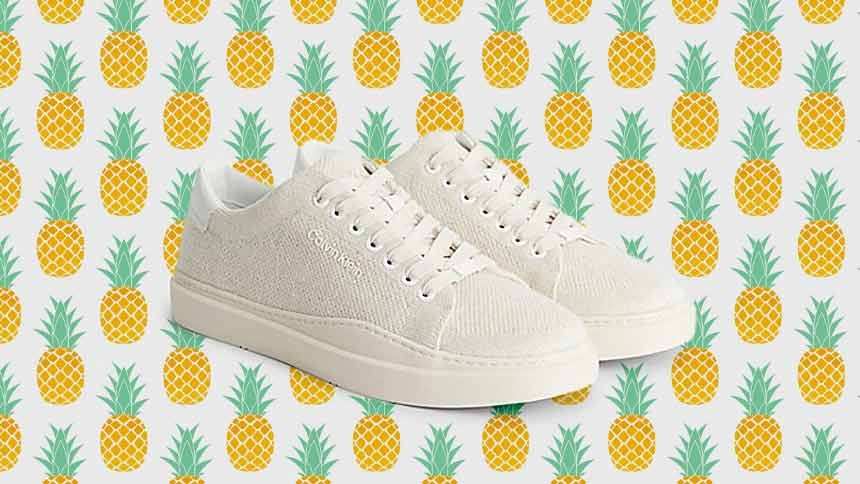
In recent years, however, the fashion ecosystem has been seeking ways to reduce the environmental impact of sneakers. Giants like Nike , Adidas , and Puma, for example, use a huge variety of recycled raw materials – from scraps to plastic recovered from the oceans. The latest innovation is "The Sustainable Knit Trainer," made from pineapple leaves and wood pulp.
Recently launched, the sneakers (it's nice to call them sneakers by their English name) mark the arrival of the American company Calvin Klein (CK) into the world of sustainable footwear. A sector projected to generate US$13.3 billion globally in 2030, compared to US$7.7 billion three years ago, according to calculations by the consulting firm Allied Market Research.
The upper of "The Sustainable Knit Trainer" combines pineapple fibers from Piñayarn, from the English startup Ananas Anam, with Tencel Lyocell eucalyptus pulp from the Austrian group Lenzing. Manufactured in Portugal, it is sold in Europe for approximately 170 euros, in marshmallow and black colors. There is no forecast for the shoe's arrival in Brazil, the company informed NeoFeed .
This is also a debut for Ananas Anam. Presented for the first time in 2022, the Piñayarn fabric is being used in collaboration with a traditional contemporary fashion brand, founded in 1968 by designer Calvin Klein and renowned for its minimalism. This doesn't mean the startup is new to the business. On the contrary.
At 71 years old, its founder, the Spaniard Carmen Hijosa, is celebrated by fashionistas as "the innovator who transforms pineapples into clothing and accessories." In 2016, the company's first product was the vegan leather Piñatex.

It all started in the 1990s. A fashion designer trained at the National College of Arts and Design in Ireland, she traveled to the Philippines as a consultant for the leather industry. Upon arriving, however, she was struck by the proven social and environmental impacts of the product throughout its entire chain – from animal farming to chemical tanning. A more sustainable alternative was needed. PVC plastic, widely used in the production of synthetic leather, would definitely not solve the problem.
The inspiration for Ananas Anam came from the barong talog , the traditional men's shirt, delicately embroidered on plant fibers. As the world's second-largest pineapple producer, behind Costa Rica and ahead of Brazil, the country discards 25 million tons of pineapple waste annually.
A byproduct of pineapple harvests, the leaves contain one of nature's most efficient cellulose fibers, but they were often left to rot or burned in the fields. Without formal scientific training, at age 62, Carmen went to study and earned a doctorate in textiles from the Royal College of Art in London. In 2013, she founded Ananas Anam.
With annual revenue of nearly US$9 million, its Piñatex startup has already established partnerships with major fashion brands. From luxury brands Chanel to fast-fashion chains Zara and H&M; from Hugo Boss and Laura Strambi to Nike's Happy Pineapple collection.
After several more years of study and experimentation, Piñayarn knit fabric was born. The technology was entirely developed by the startup's R&D team. The spinning process eliminates the use of water and toxic chemicals, and production is based on a closed loop, which avoids waste.
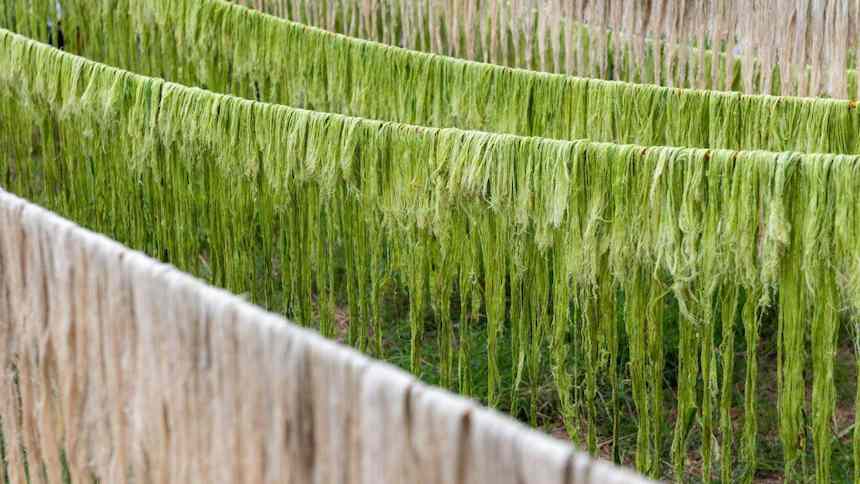
After harvesting, the leaves are subjected to semi-automatic machines that separate the fibers from the biomass. Then, those long strands of cellulose are washed to remove chlorophyll and vegetable gum, and placed in the sun to dry – during the rainy season, they go to ovens. The fibers then undergo a purification process, from which they emerge fluffy and soft, ready to be woven.
Initiatives like CK's are more than welcome. Because of the consolidation of the casual lifestyle, sneakers have gone beyond sports. They've migrated to everyday life and even reached the runways of Paris, New York, and Milan.
Influenced by hip hop and one of the most revered items of streetwear , footwear has acquired "a value that is not only monetary, but has become a pillar of popular culture, with a global community forming around it," writes the Englishman Peter Dennis in the article "Shoe waste: how consumption became culture." A movement led by the so-called "sneakerheads," the aficionados, who make footwear a hobby.