

New York — An Indian family was in New York last week to celebrate the graduation of their eldest son, Romanch Mahajan, 18. The parents and their two sons visited the Brooklyn Bridge, the Statue of Liberty, and the 9/11 Memorial.
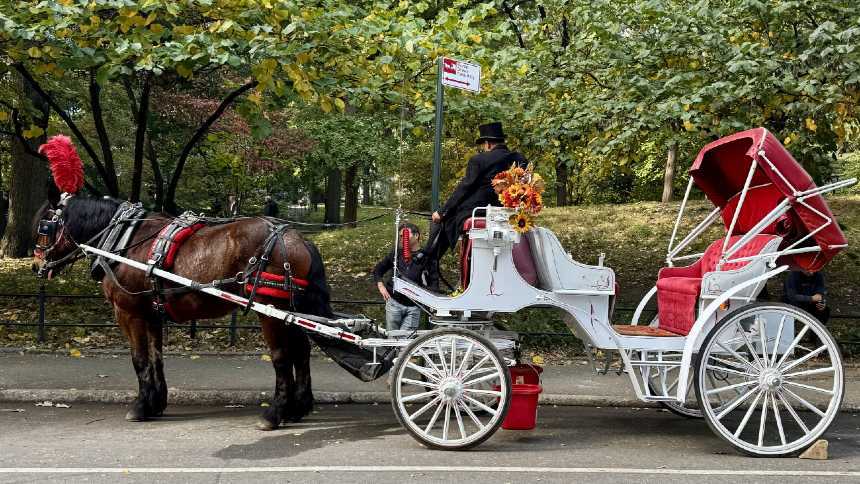
The itinerary also included a 45-minute carriage ride through Central Park, a tourist attraction since the park's opening in 1876. On the afternoon of Wednesday, June 17, the family paid US$158 to a coachman with 16 years of experience for a package that included three stops for photos.
By getting out of the vehicle to photograph customers, he was violating one of the main rules of the Transport Workers Unit Local 100, a union representing 300 professionals in the sector: the driver must never let go of the reins.
At the third stop, the horse, seven years old and only six weeks into the job, bolted out of control. The mother was thrown from the vehicle, and Romanch jumped out to help her, hitting his head on the asphalt.
According to available records, the teenager was the first fatality in an accident involving the Central Park carriages.
The tragedy occurred just days after another horse ingested a poisonous plant and died in broad daylight, right in the park. These two incidents reignited the debate about the continuation of the tourist carriages and strengthened the pressure to suspend the attraction due to the treatment of the animals.
The horses in Central Park, the largest urban park in the United States , make an average of six trips a day, pulling carriages with up to four adults, braving the city's varying weather conditions, from harsh winters to scorching summers. By law, they cannot work when the temperature exceeds 33 degrees Celsius.
To enter and exit the park, they travel 1.5 to 3 kilometers between avenues, competing for space with cars , buses , taxis , and trucks in Manhattan until they reach the stables, which are usually three stories high.
On the night of the young man's death, New York City Mayor Zohan Mamdani declared his intention to work with the City Council, union partners, coachmen, animal welfare advocates, and community leaders to promote "a just transition that protects workers while ending the use of horse-drawn carriages once and for all."
The idea of banning the activity is not new. In the last 13 months, eight incidents related to the service have been recorded. The Central Park Conservancy, a non-profit organization responsible for managing the park, notes that the animals circulate among cyclists, scooter riders, athletes, and families, which requires a new safety protocol and training.
In the New York City Legislature, Ryder's Law is already being processed, a bill in honor of a horse that collapsed and died on busy Ninth Avenue on a scorching hot day.
Drafted by the Animal Defense Fund, an animal rights NGO, the proposal suggests gradually ending the carriage industry by prohibiting the issuance of new licenses for coachmen, with a total ban starting on June 1, 2028.
The bill also prohibits the sale or transfer of horses for slaughter or for use in another carriage company and mandates that the Department of Consumer and Worker Protection administer a professional development program for coachmen and other industry workers, aimed at transitioning them to other careers.
Following the teenager's death, services at Central Park were suspended for three days and resumed last Tuesday, June 23rd, which angered many people. Some took to social media and held a vigil in the park.
At the event, the official statement from the Mahajans was read, demanding an immediate end to the activities and the creation of a memorial in honor of Romanch.
According to them, “allowing the carriages to circulate again while the family is still grieving and organizing funeral ceremonies sends the message that economic and tourist interests are being prioritized over human life (...) Concrete changes are needed to avoid new tragedies.”
"It's a complex issue because it involves animal welfare in conflict with an economic activity," says Mara Rink, director of the Performance Riding School in the state of Rio de Janeiro, in an interview with NeoFeed . "But, with proper management and enforcement standards, the use of horse-drawn carriages doesn't need to be banned."
Crowd, heat, and confusion
In some European countries, she says, it is now illegal to keep horses completely confined. "Even equestrian clubs in large cities are required to have paddocks where horses can be let out for a minimum number of hours per day," she argues.
Any type of equestrian work or sport must consider a number of factors. From the physical condition of the animals to veterinary supervision and the skill of the rider, and especially whether the horse has the freedom to express its natural behavior at some point during the day, Mara points out.
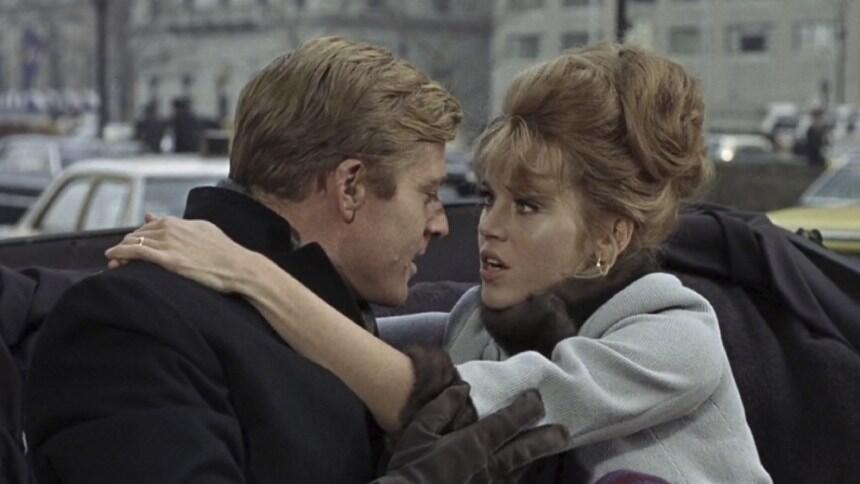
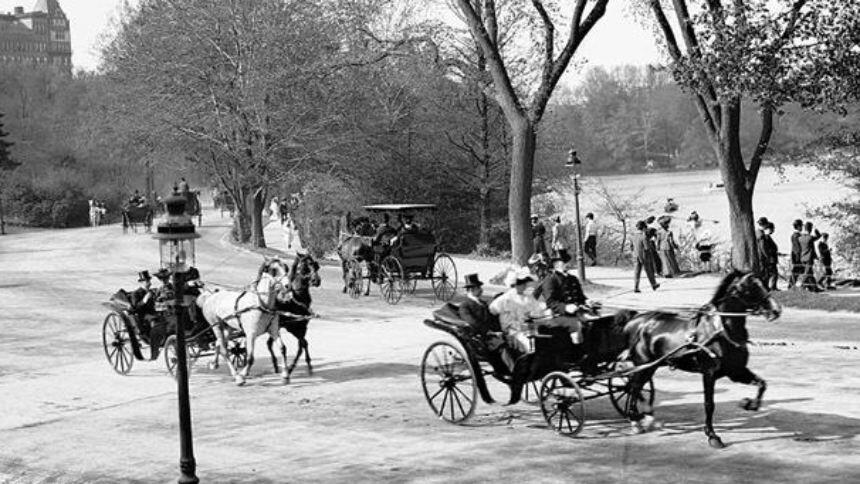
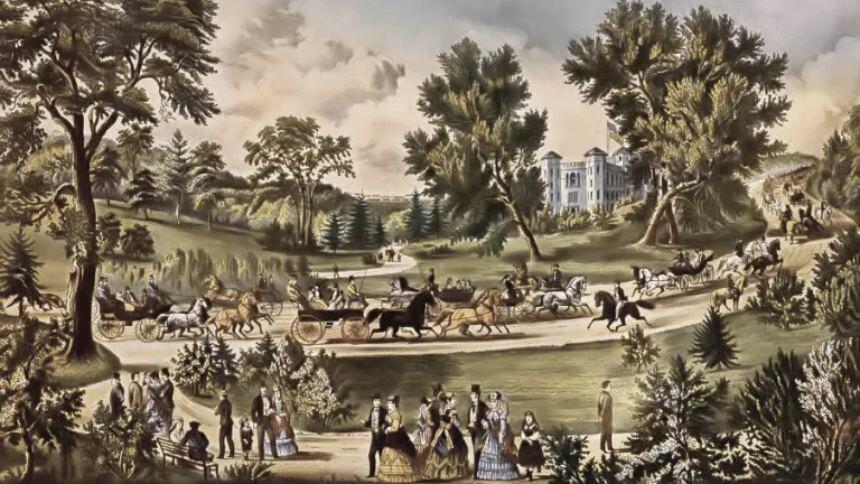
When Central Park opened, horses were the primary mode of transportation. Since then, carriage rides have survived the arrival of automobiles as iconic city postcards, immortalized by film and television productions such as Barefoot in the Park (1967), Manhattan (1979), Home Alone 2 (1992), Sex and the City (1998–2004), and A Rainy Day in New York (2019).
The situation today, however, is different. The park is now shared by pedestrians, cyclists, and runners, and receives 42 million visitors a year. Meanwhile, with the worsening climate crisis , heat waves have become more frequent.
What is being discussed now is not just the fate of a tourist attraction, but whether a 19th-century New York tradition still has a place in the 21st-century metropolis.