


Just as fashion has embracedquiet luxury , haute cuisine is developing its own version of understated sophistication. Adherents of the movement reject spectacle – the ostentatious display of expensive and exotic ingredients without purpose, the exaggeration of elaborate presentations.
The "silent" chef makes refined simplicity his trademark, combining impeccable preparation with high-quality, seasonal ingredients sourced from local producers. He employs technique almost invisibly. What matters is the flavor—and only the flavor. The result is compositions that appear unassuming but are constructed with precision, balance, and depth, in which each ingredient finds its best expression.
At first glance, a dish with few ingredients may seem unassuming. But when a chef decides to reduce a recipe to the bare minimum, they are taking a very high risk.
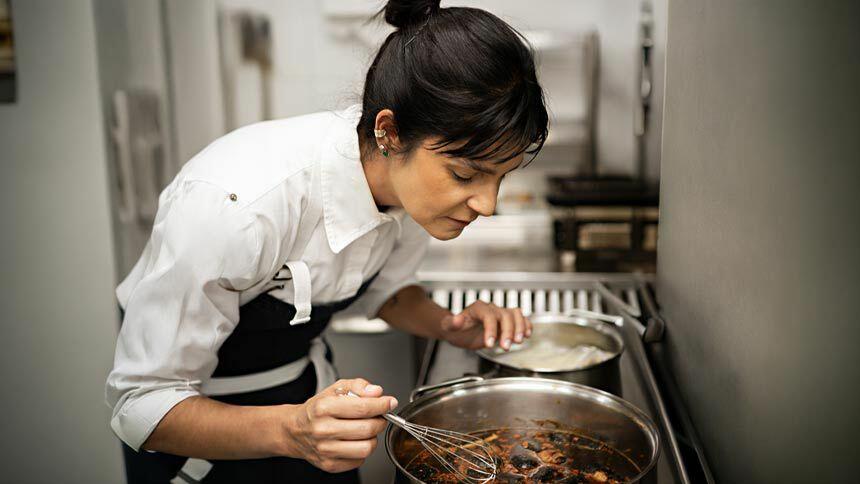
“You can’t mask anything. Every decision carries a lot of weight. There’s always a nervous feeling in your stomach — and it’s important that it exists,” Manu Buffara tells NeoFeed.
“Maturity comes when we understand that we don’t always have to prove how much we know. Sometimes, the hardest thing is having the confidence to let an ingredient speak for itself. This requires knowledge, but also humility,” she adds, having been named the best female chef in Latin America in 2022 by the 50 Best Academy.
The chef recalls that her grandmother, who always influenced her, advised against killing the fish twice. "She was talking about understanding the value of that ingredient, the work that goes into it before it reaches the kitchen, and the responsibility we have when cooking it," she explains.
This principle guides every decision. “Often, the best technique is precisely to interfere as little as possible. Other times, we use fermentation, smoking, maturation, or extractions to enhance natural flavors.”
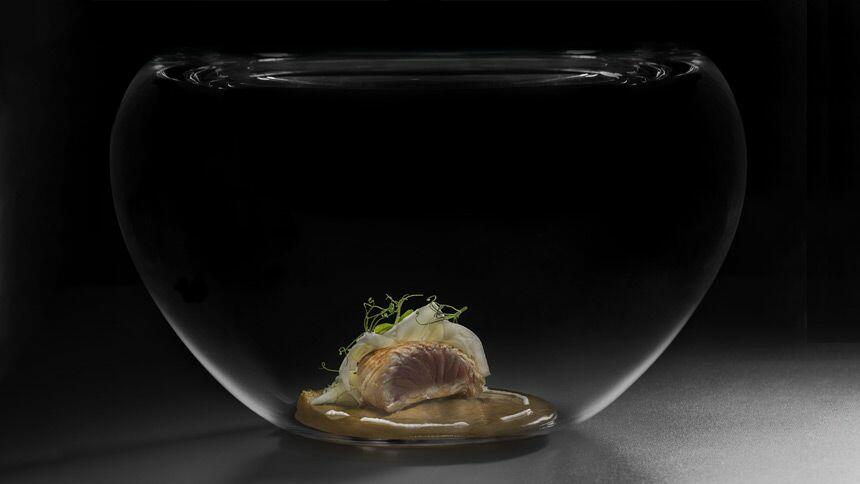
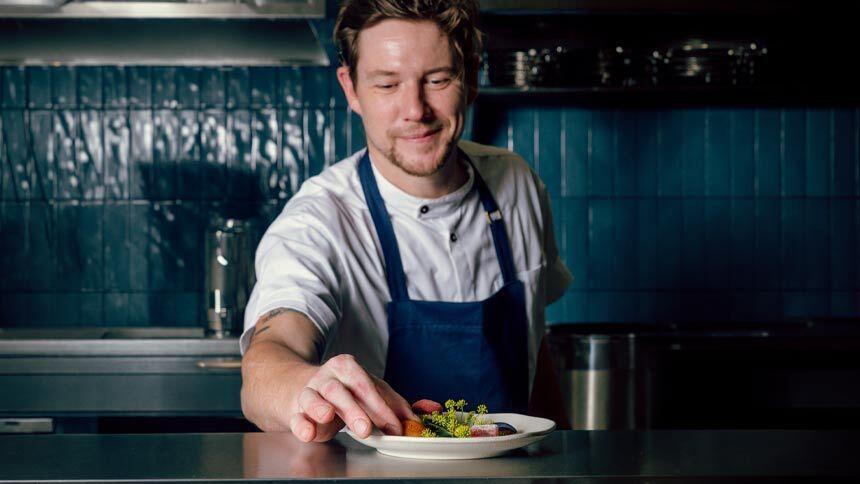
His philosophy is clear in the tasting menu at Manu, in Curitiba. There, the dishes are named: Artichoke , Carrot , Fish , Lamb ... There is no chance of figuring out what will be served, as there is no explanation on the menu. In presentation, the compositions are delicate and evoke freshness.
“There is a very powerful beauty in nature. I want to convey that same feeling: the beauty of my dishes arises from the honesty of the ingredients, the natural forms, the real colors, and the harmony between the elements.”
The importance of origins
Several movements were fundamental in achieving the culture of quiet luxury gastronomy. In the 1970s, nouvelle cuisine in France contributed by breaking away from the heavy sauces of classic cuisine and showcasing the advantages of seasonal ingredients from small producers.
But one of the biggest turning points came in 2001, when French chef Alain Passard shocked the gastronomic world by removing red meat from the menu of his three- Michelin- starred restaurant, L'Arpège, in Paris . By investing in his own farms, he proved that a fresh beet or carrot deserves the same technical rigor, research time, and prestige historically reserved for expensive ingredients.
In the 2000s and 2010s, molecular gastronomy, with its visual pyrotechnics and multisensory experiences, left a legacy: isolating sugars, creating textures, and extracting maximum flavor from a single element.

“When I was younger, I was already an enthusiast of molecular cuisine, but it was misused. Many people focused more on the spectacle than on the flavor,” Pablo Inca, chef of Cora in São Paulo, owner of the Michelin Bib Gourmand seal and part of the 50 Best Discovery guide, tells NeoFeed .
Over time, he lost interest in show cooking. Born in the province of Jujuy, Argentina, he says he gradually rediscovered the value of his origins: "My grandfather, the son of Laotians, had that zeal for choosing the 'best of the best' when he gifted the family with fruit."
About three months before each change of season, he plans the menu. The relationship with the producers is one of total harmony. "They guarantee us the best product," he says.
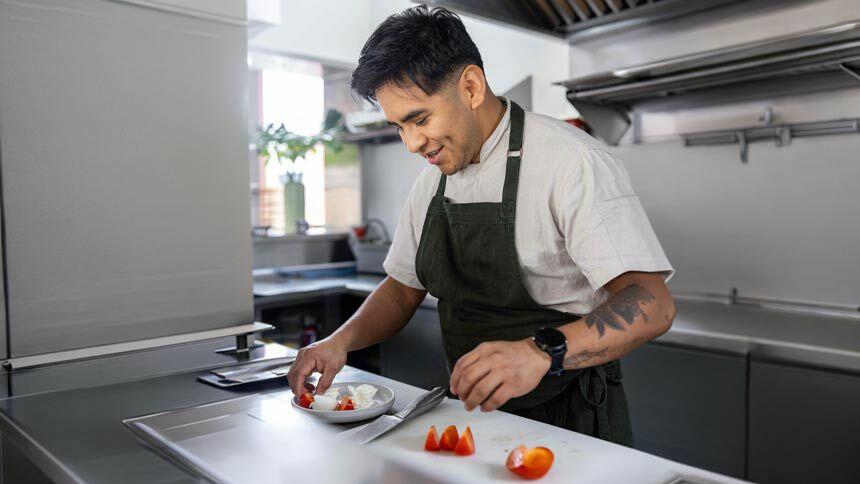
Among the stars of Cora's menu is the persimmon. On the current menu, it's served ripe but still firm, seasoned only with lemon-lime fleur de sel and paired with buffalo mozzarella: "You don't need to overcomplicate things when you have an ingredient at its best."
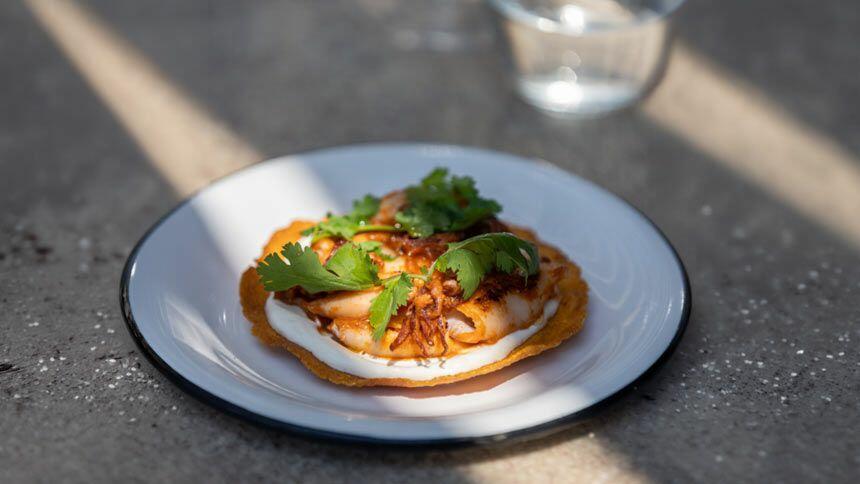
Achieving this balance, however, requires research. Some of his recipes emerge overnight, but classics like his roasted squid tortilla with curd and chili paste took work. The inspiration came from a dish he tasted in South Africa in 2018. "I spent a year and a half testing until I got it right," recalls Pablo.
Gastronomic dignity
In Rio de Janeiro, English chef James McLennan and his partner, Ruth Assis, also spent a year testing before Nimbus even opened its doors. The restaurant has been attracting attention with intriguing dishes focused on seasonal vegetables and fish treated with curing, maturation, and total utilization techniques.
For him, the classic technique is the foundation of flavor, while modern techniques serve to manipulate textures. "Most of the time, I'm just intensifying flavors through reductions, caramelization, and dehydration," he tells NeoFeed .
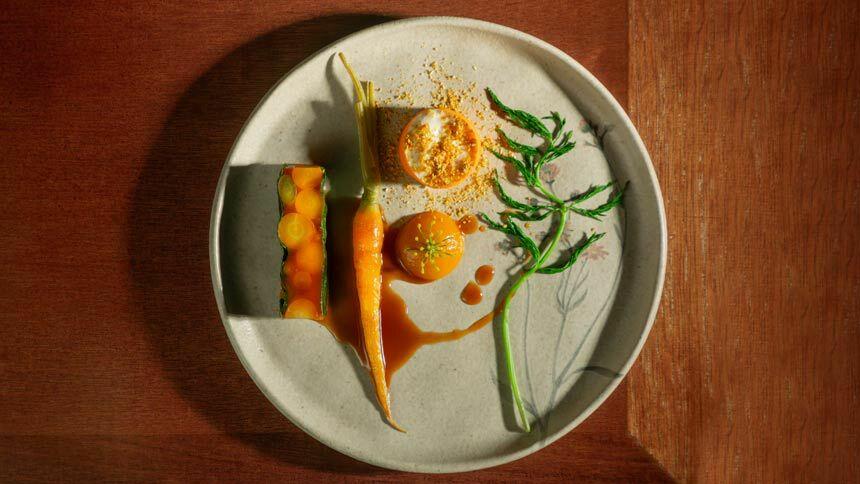
Among the highlights of their tasting menu is a dish where carrots appear in terrine, gel, pickled, and roasted versions served on coffee beans, accompanied only by sheep's yogurt with samburá (a type of fish stew), jataí honey, and fermented pumpkin seed powder.
To add complexity to the flavor of the carrots, which are naturally sweet, the chef uses yogurt and samburá (fermented pollen from stingless bees) to achieve acidity. The savory notes come from the coffee, while the deeper umami is obtained with a reduction of roasted chicken. In the end, the vegetable shines in the decoration of the dish, which also brings beauty through its apparent simplicity.
Perhaps the greatest charm of quiet luxury gastronomy lies in the air of mystery hidden beneath its fresh appearance and the explosion of flavors it offers.
As Manu Buffara explains: “The goal is not to showcase technique, but to create an experience that makes people realize something extraordinary that might otherwise go unnoticed. When a tomato, a root, or a leaf occupies the center of the plate, we are saying that they have the same gastronomic dignity as any ingredient considered rare.”