

Brasilia — With only three years in operation and voted the best cuisine in the federal capital by Encontro magazine, one of the city's most traditional awards, Marie Cuisine is establishing itself as the "new Piantella," in reference to the legendary restaurant that, for four decades, served as a backdrop for the behind-the-scenes of Brazilian politics.
A symbol of Brasília's gastronomy , Piantella functioned as a kind of extension of the Three Powers, especially after redemocratization. A place where deputies, senators, ministers, advisors, and businessmen forged alliances, closed deals, and exchanged information. But, drowning in debt, the restaurant went bankrupt ten years ago, after a final attempt at recovery led by lawyer Antônio Carlos de Almeida Castro, known as Kakay.
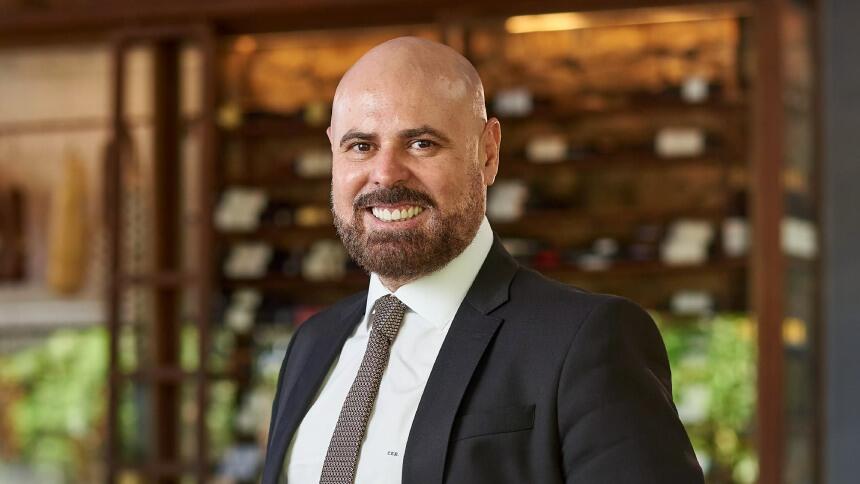
“Piantella was 100% political,” São Paulo businessman Carlos Rodrigues, partner in the Famiglia Papà group, owner of Marie Cuisine, tells NeoFeed . “Here it’s fifty-fifty,” adds Carlão, as he is known — stressing that he is neither politically right nor left.
On Tuesdays and Wednesdays, when work in Congress reaches its peak, parliamentarians, authorities, and lobbyists dominate the Marie's hall, especially at lunchtime. Members of the Supreme Federal Court (STF), the Superior Court of Justice (STJ), the Chamber of Deputies, the Senate, governors, and, in smaller numbers, ministers of state circulate there.
Former Supreme Court president Luís Roberto Barroso , for example, was a frequent visitor to the establishment. The restaurant has also hosted other Supreme Court justices, such as Alexandre de Moraes , André Mendonça , Dias Toffoli , Gilmar Mendes , and Cármen Lúcia. Among politicians, names like Fernando Haddad and Helder Barbalho have frequented the place.
NeoFeed also found Celso Amorim , special advisor to the Presidency for International Affairs, the mayor of Recife and pre-candidate for governor of Pernambuco, João Campos, as well as federal deputies from different Northeastern states, at the restaurant.
Between noon and one o'clock in the afternoon, it is common to see several people standing, having difficulty sitting at their table, given the number of politicians to greet and give the popular "pat on the back".
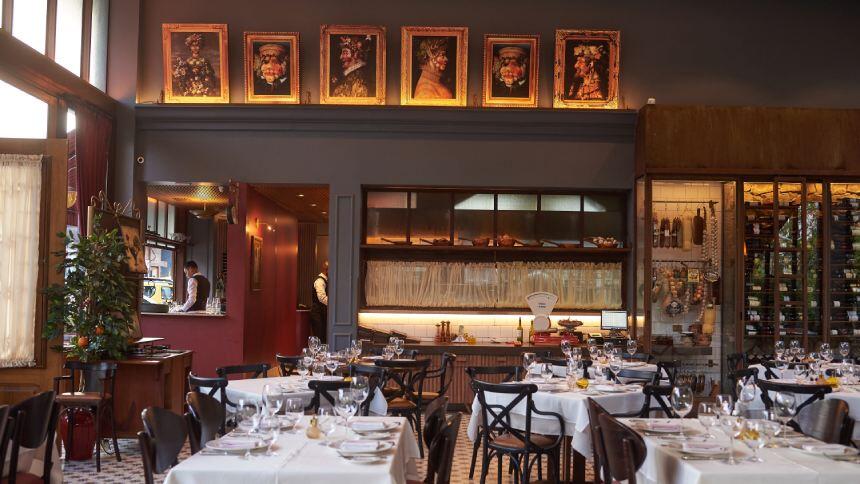
Politicians usually occupy the main area of the restaurant, a spacious, open space illuminated by large windows that allow a view of the entire room. At Piantella, the logic was reversed: the closed facade prevented anyone from seeing what was happening inside from the outside.
In addition to the main hall, high-ranking officials also frequent the Salle des Chefs — the "Chefs' Room," a private area upstairs with an exclusive entrance, capacity for 30 people, and a beautiful view of the tree-lined residential block of 103 South, in Asa Sul, an upscale neighborhood in Brasília .
Between the past and the present
“In the beginning, Marie attracted people with its dishes and service,” recalls Carlão. “Today it’s become a meeting point. People don’t just come to eat—if they want to see people, they come here.” At night, the clientele is quite varied, especially drawn to the dinners with jazz music. The restaurant’s name is a tribute to the businessman’s daughter.
And that's another difference compared to Piantella. When the restaurant, founded in 1974 by Marco Aurélio Costa from Minas Gerais, was at its peak, the gastronomic scene in Brasília was different — much more limited.
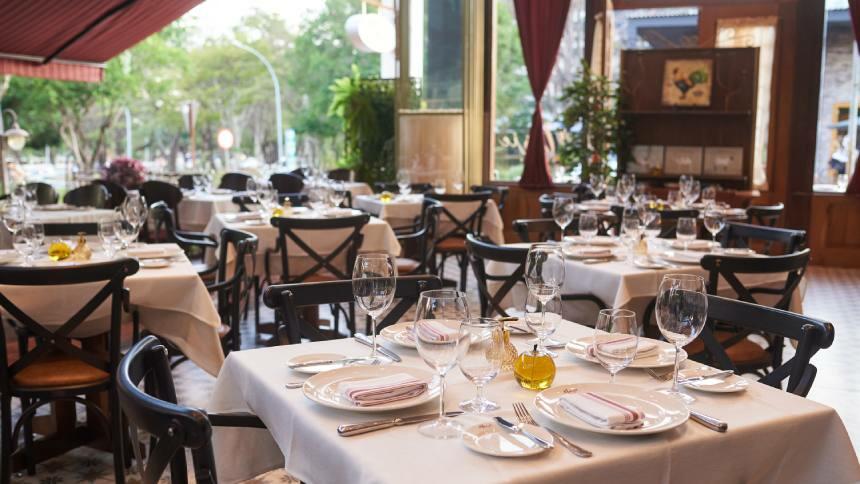
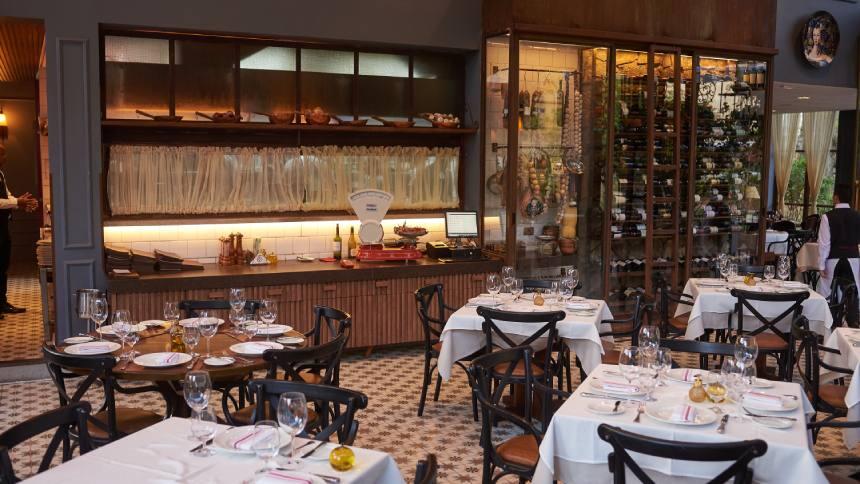
From the 2000s onwards, and especially from the 2010s, the city began to offer a wider and more sophisticated range of homes. In a more competitive market, Marie shares space with other addresses sought after by the political and business elite of the capital, such as Lake's Francisco and Trattoria do Rosário.
The political context that helped transform Piantella into an "annex" of the National Congress was also different. In the 1980s and 1990s, when cell phones, messaging apps, and video conferencing were not yet part of the routine, much of the negotiation, alignment, and information exchange depended almost exclusively on face-to-face meetings.
Even with all the changes of the last few decades, Marie still retains part of that legacy by bringing together, under one roof, some of the leading figures in Brazilian public life.
Much more than just food
Before becoming an entrepreneur, Carlão worked as a waiter at the Sofitel hotel chain in São Paulo and on a cruise ship in Italy, in addition to working as a maître d' at the Fasano and Gero restaurants. Today, he shares the management of the Famiglia Papà group with his father and pastry chefs Lily Araújo and Théo Marques.
The group operates six brands in three cities and is preparing new expansions. In August, it will open a unit in Teresina and, for November, it plans to launch a new Italian restaurant in Brasília. Last year, the company opened Marie Bistrô in São Paulo. But the businessman wants more: "My dream is to enter Rio, in Leblon or Ipanema."
The star of the portfolio, however, is Marie in the federal capital. On the menu of this Brasília restaurant, under the command of chef Manuel Mendonça, you'll find risottos, seafood, and traditional Italian pastas, as well as classic French cuisine. The truffle gnocchi is a creation of Carlão himself. Prices for main courses range from R$ 109 to R$ 329.
Although the restaurateur highlights the cuisine and service as the pillars of the restaurant's success, the flow of customers between tables also helps explain the success of Marie in Brasília.
Ten years after the closure of Piantella, the city seems to have found a new address for its meetings, conversations, and networking. Even in a more open, modern, and less exclusive setting, Marie is beginning to play a role that goes beyond gastronomy. After all, in the capital of power, some restaurants serve more than just food.