


If someone told you that the brewing industry , in its early days, was dominated by women , would you believe it? Probably not. While today the female presence is usually only remembered for advertising campaigns, there was a time when they were at the heart of the beverage's production.
In various ancient societies, brewing beer was an activity associated with the female world. Produced from the same grains and yeasts used in bread making, the beverage was seen as food and, therefore, a natural extension of domestic tasks. Thus, women became the first master brewers in history—long before the activity transformed, from the Modern Age onwards, into a predominantly male sector.
In recent decades, however, this scenario has begun to change. Driven by the growth of the craft beer market, the resurgence of female leadership has gained momentum in different parts of the world.
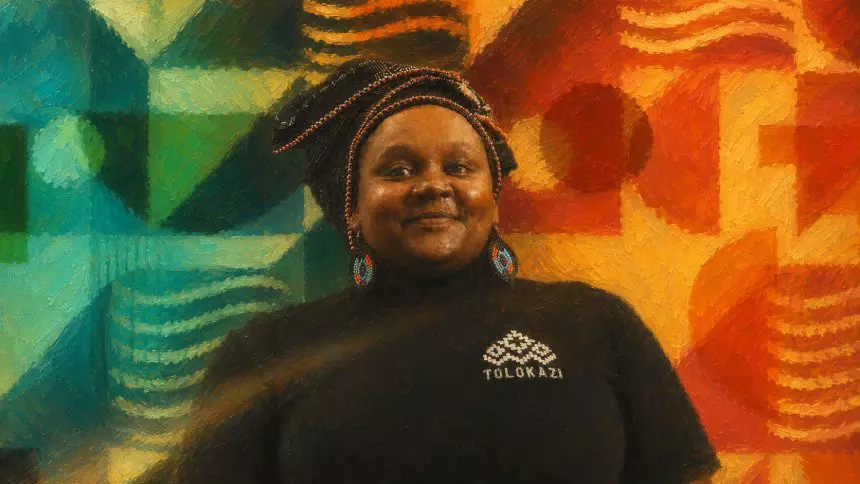
One of the most influential voices in this movement comes fromSouth Africa : Apiwe Nxusani-Mawela, 42, founder of Tolokazi Brewery in 2019. In the world's tenth-largest beer producer, she is making history by becoming the first Black woman to run a brewery.
“The title of 'first black woman to own a brewery' isn't something I'm proud of,” she says in a conversation with NeoFeed . “There's nothing extraordinary about it.” The distinction, however, carries weight in a society and a sector still strongly marked by profound gender inequality .
Born in Butterworth, a village in the east of the country, to parents who were teachers, Apiwe grew up watching her family brew beer at home. This tradition, passed down through generations, is at the origin of the company.
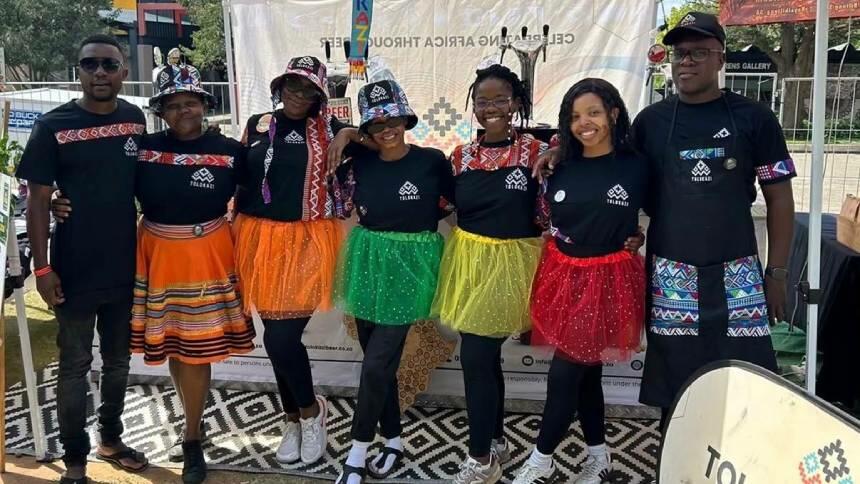
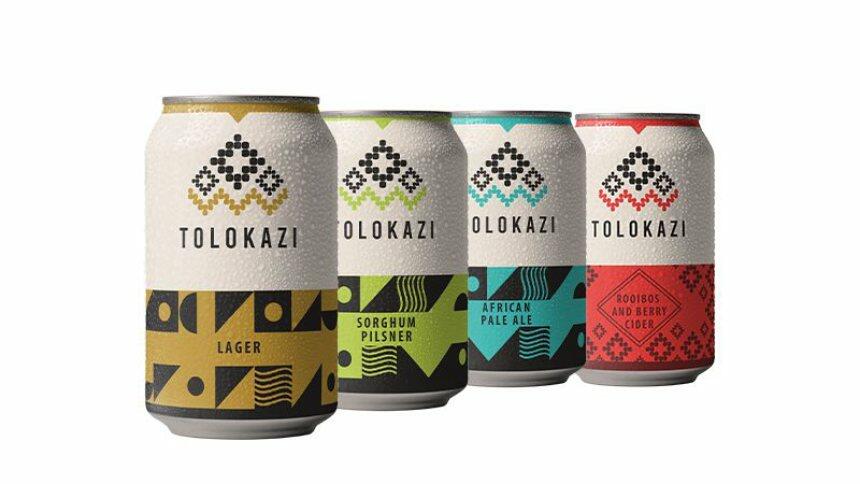
The entire Tolokazi team is female, and its recipes incorporate local ingredients such as malted sorghum and native hops, like African Queen , as well as ingredients such as rooibos shrub, marula fruit, and hibiscus flower. This concept is reflected in four of the brand's labels, including the Sorghum Pilsner, inspired by the traditional umqombothi beer—an ancestral beverage made from corn and sorghum.
The end of apartheid and the discovery of science.
Apiew was ten years old when apartheid ended in 1994. This gave her access to better schools. "The level of education was completely different," she says. In high school, she discovered a passion for science. "My journey into beer production didn't exactly start with beer," the businesswoman recalls. "It was more about scientific interest and discovery."
Her background combines science and the market. A graduate in microbiology and genetics from the University of Witwatersrand in Johannesburg, she expanded her academic trajectory with a postgraduate degree in business administration and courses focused on leadership.
After graduating, she worked for about six years at South African Breweries . Founded in 1895 in the South African capital, SAB is now owned by AB InBev and accounts for almost 35% of all beer produced in the country.
“It was there that I fell in love with the art of brewing,” he says. Apiwe then decided to study to make his own beer.
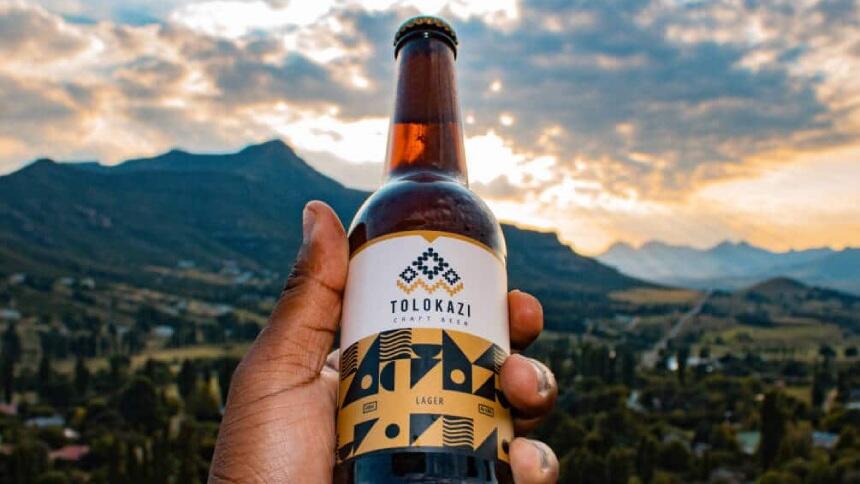
In London, she specialized at the Institute of Brewing and Distilling . She returned home with a master brewer certification, one of the most influential credentials in the industry, and launched her entrepreneurial journey. That's how Tolokazi was born.
“Trying to enter these spaces was very difficult when I started. And even today, I continue to fight to make the industry more inclusive and open to everyone,” says the businesswoman.
Since 2019, Apiwe has noticed a significant shift in the market, caused in part by consumers' openness to new flavors, as well as increased technology in production—which, according to her, facilitates inclusion.
“Before, people were very rigid: ‘If I drink a specific brand, that’s the only one I drink.’ Now, you see many more people willing to try new things,” he observes. “And also, everyone is embracing technology. I think social media is one of the biggest changes in recent years.”
In defense of African autonomy
According to her, South Africa is experiencing a major industrial revolution, which, in many ways, is positive. With artificial intelligence and new techniques, it's possible to know in a matter of minutes whether a product is safe for consumption or ready to be marketed.
This allows companies to react more quickly, improving the quality of beverages, increasing consumer confidence in quality and, consequently, in producers.
“That’s why I provide training and try to pave the way for other women, so they can learn too — including from my own mistakes and the mistakes of those who came before us,” says the entrepreneur. “To make entry into the sector easier for the next generation.”
In this context, Apiwe seeks more than just expanding Tolokazi: she wants to consolidate a new generation of women in the world of beer. At the same time, she sees the brand as a way to broaden the African narrative, valuing ingredients, traditions, and what the continent has to offer the world.
“Everyone is looking to Africa as a new growth hub. “How can we participate in global trade?” Apiwe asks provocatively. “We can’t expect Europe or the United States to lead everything.”
For three years, Tolokazi beers were sold in the United Kingdom , mainly to immigrants. "We sold them as a kind of 'homesickness'," he recalls. Currently, due to a restructuring of exports, the company is only in South Africa.
Apiwe was in São Paulo to participate in the international brewing technology fair, Brasil Brau 2026, held between June 9th and 11th. She sees Brazil as an example of how beer can gain its own identity—withCatharina Sour as a symbol of this innovation.
“When someone comes to Africa, they should find something unique in our drinks, something that expresses who we are and where we come from, just as I see happening in Brazil. That’s what Tolokazi seeks to build.”