


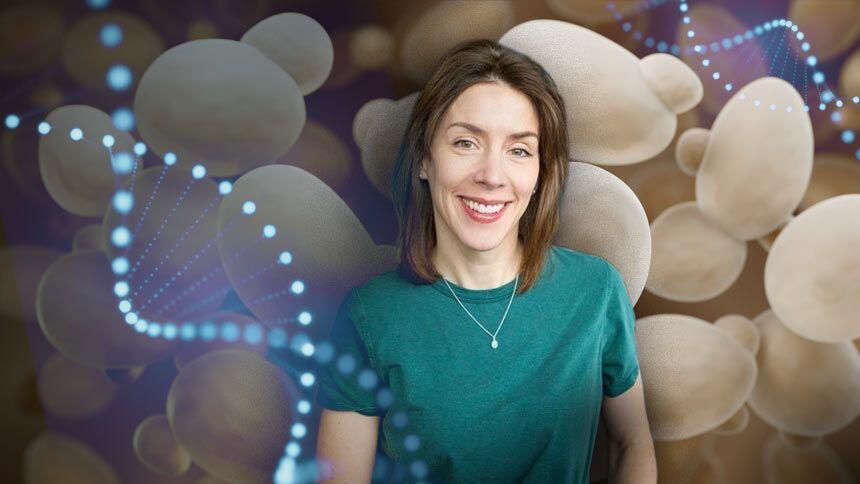

Measuring a maximum of 0.01 millimeters in diameter, yeasts are at the heart of one of the most fascinating areas of innovation in the brewing industry . Belonging to the kingdom of fungi, like molds and mushrooms, they were until recently seen only as the biological engine of beverage production – essential microorganisms, but with a role restricted to the fermentation process.
Thanks to advances in microbiology, genetics , and biotechnology, these tiny organisms have proven capable of shaping flavors, aromas, and textures. As a result, they are assuming a sensory prominence that previously belonged to malt and hops .
In the process of transforming grain sugars into alcohol and carbon dioxide, yeasts release a series of enzymes capable of altering the structure of certain compounds present in malt and, especially, in hops.
This reaction, called biotransformation, gives rise to new substances that help define the identity of what ends up in the glass.
Among the most influential names behind this radical paradigm shift is American Laura Burns, one of the few women to hold leadership positions in the brewing ecosystem. At 41, the biologist and PhD in molecular biology is the director of research and development at Omega Yeast.
Since 2019, when Burns took over the position, the Chicago-based biotech company has launched projects aimed at expanding the biotransformation potential of yeasts, including the development of genetically modified strains.
By reprogramming the DNA of these fungi, she is able to design beers with very specific characteristics. It's like transforming each microorganism into a mini-factory of new aromatic and gustatory expressions.
“My main focus is applying science to the development of strains for IPAs,” Burns told NeoFeed in an interview. India Pale Ales are among the most popular beers, especially among craft beers.
In 2021, Omega Yeast launched its first yeast, Cosmic Punch — today the company's portfolio includes around 80 different products.
The biologist's team targeted thiols, compounds responsible for intense notes of tropical fruits, such as passion fruit and guava. Although abundant in malt and hops, a large portion of them becomes chemically "trapped" during the traditional fermentation process.
To break through this barrier, scientists at Omega Yeast used genome editing tools to activate the IRC7 gene, present in the Saccharomyces cerevisiae species — one of the most widely used in the production of craft beers, especially modern IPAs.
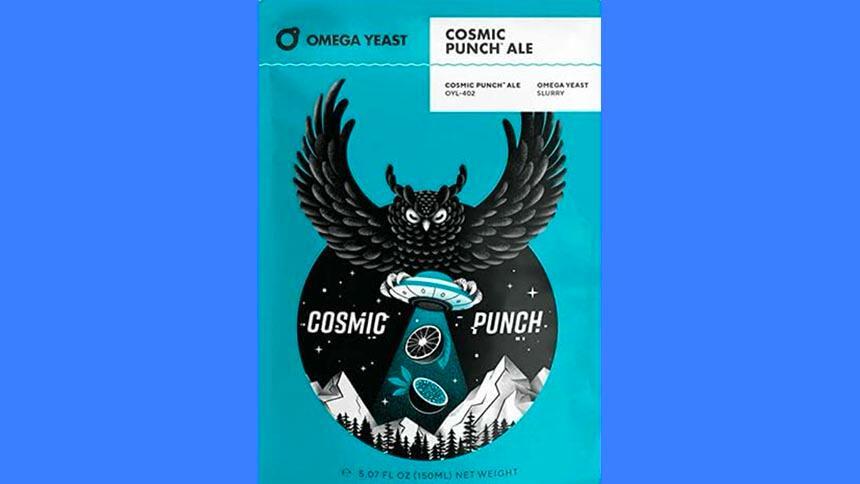
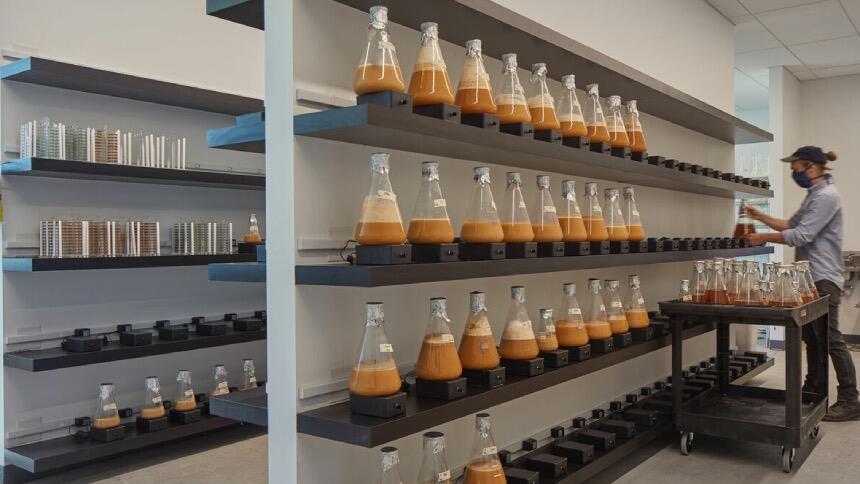
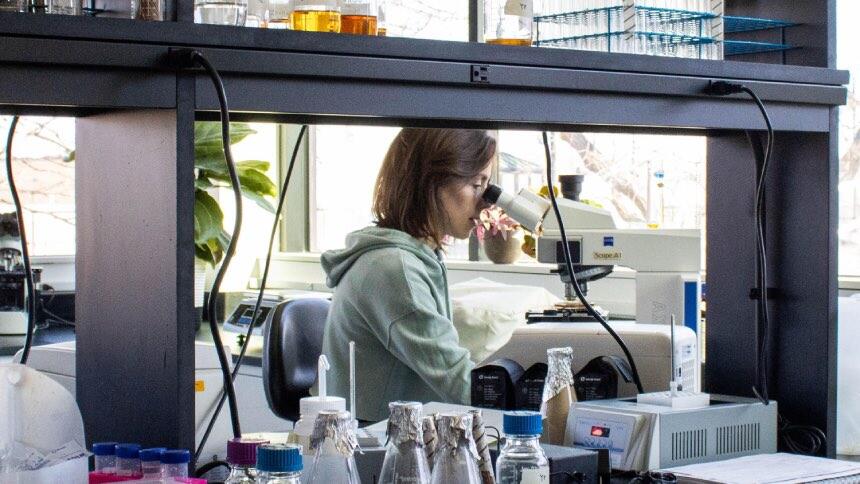
With IRC7 “switched on,” the yeast began producing the enzyme that releases the “dormant” fruity notes. “We went from an aromatic intensity level of 4 to a level of 10,” Burns recalls. “That’s when many brewers said, ‘Wow, what’s happening here?’”
The benefits, however, are not limited to aromas. Yeasts also contribute to the hazy appearance of so-called hazy IPAs. "With microbiology, it's possible to emphasize these characteristics and help develop both the appearance and aroma of an IPA," says the biologist.
The quest to understand this phenomenon led to another important finding. In 2023, Burns' team identified the HZY1 gene, associated with the turbidity of hazy IPAs. In laboratory tests, the exclusion of the gene allowed the development of yeasts that preserved the aromatic characteristics, but without the typical hazy opacity.
This discovery is just one aspect of a revolution already underway. But yeast can go further and make production more efficient and economical.
By releasing aromatic compounds that would normally remain chemically "trapped," they reduce the reliance on large quantities of hops. "In addition, you get a more flavorful beer for longer," explains Burns.
A growing market
Innovations are keeping pace with the growing demand for more artisanal and diverse beers. Valued globally at US$6.13 billion in 2024, the yeast market for the brewing industry is expected to reach nearly US$11.8 billion by 2032, growing at a compound annual growth rate of 8.5%, according to the Brewers Yeast Market Report by Fortune Business Insights.
Despite the achievements of recent years, the biologist points out that producers, especially large companies, are still conservative: “Brewers aren’t simply going to test something completely out of the ordinary without thinking. They need to be convinced. And that’s not a bad thing, because it makes everyone more intentional.”
Burns speaks with the authority of someone who once brewed beer. As a beer enthusiast, she worked in the craft brewing industry for years without ever losing her interest in science. The typical curiosity of researchers eventually led her back to the laboratory. As R&D leader at Omega Yeast, the biologist brings scientific studies closer to the industry.
The expert is arriving in São Paulo to participate in the international beer technology fair, Brasil Brau 2026, to be held between June 9th and 11th. She is excited about the idea of trying Brazilian craft beers.
"I'm dying to try the Catharina Sour." And to learn about the hops produced in the country : "I'm sure there are unique varieties out there, and that would help to understand if there's a specific impact from the Brazilian terroir ."
Burns' interest in Brazilian hops reveals one of the next frontiers of research: understanding how local ingredients interact with increasingly sophisticated yeasts. In a market seeking differentiation, the combination of biotechnology and regional identity may be the recipe for the next generation of beers.