


Ladispoli - In a sector where luxury is usually measured by the size of the suites, the technology of the spas, or the exclusivity of the services, La Posta Vecchia completely shifts that bar. Upwards.
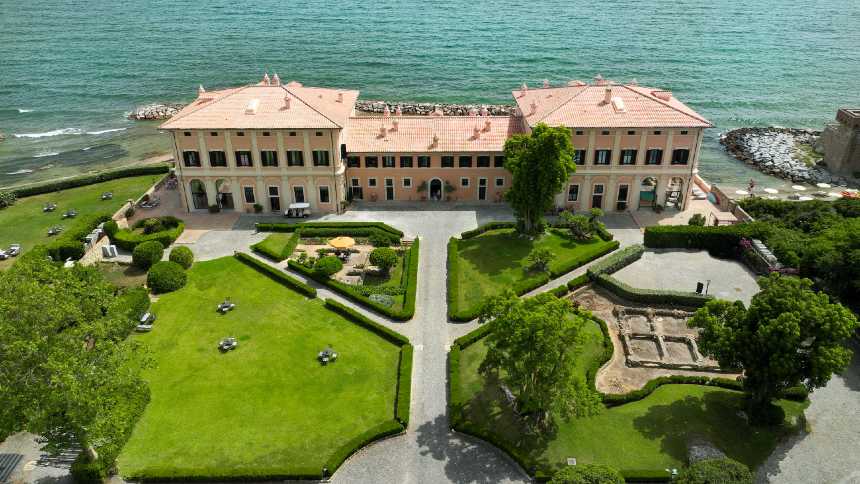
In Ladispoli, about forty minutes from Rome , the hotel goes beyond a quiet retreat and offers a glimpse into a thick layer of time, where the blue of the Tyrrhenian Sea is merely the visible surface of an older narrative.
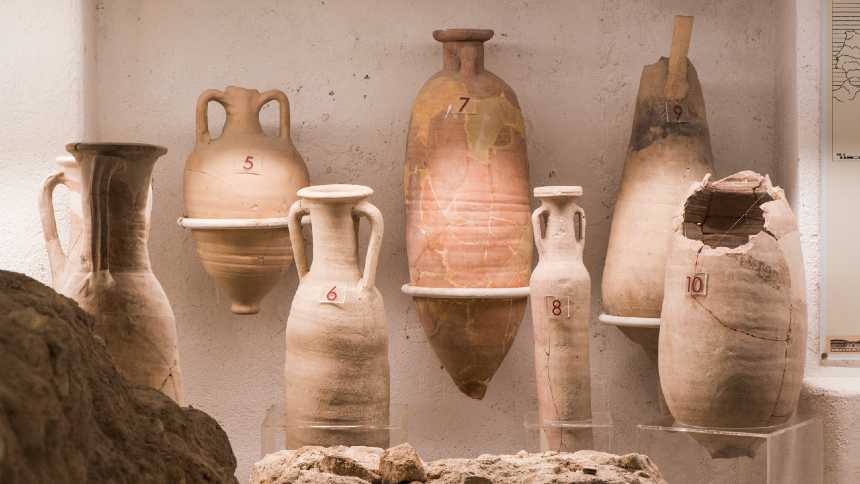
Just a few steps down reveal the halls adorned with tapestries, period portraits, and historical artifacts. In the property's basement, under discreet lighting and almost invisible display cases, emerge mosaics, columns, amphorae, pieces of marble, and structures from a Roman villa built over 2,000 years ago.
This is not a staged reconstruction or a museum artifice, but authentic findings revealed during a restoration conducted by the American oil magnate Jean Paul Getty (1892-1976), the former owner of the residence.
It is this very “Italian” combination of archaeology, history, and hospitality that makes La Posta Vecchia one of the most unique, coveted, and expensive destinations in the country. The very name, “the old post office,” already indicates a transit geography, historically linked to the flows between Rome and the coast.
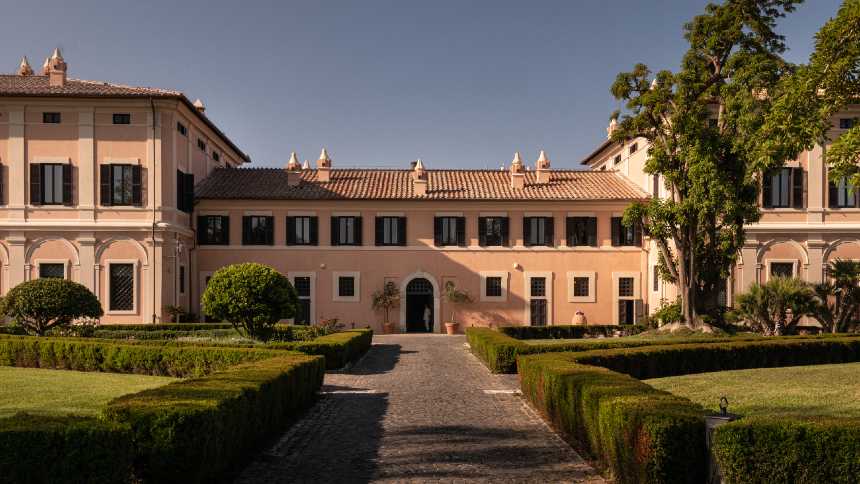
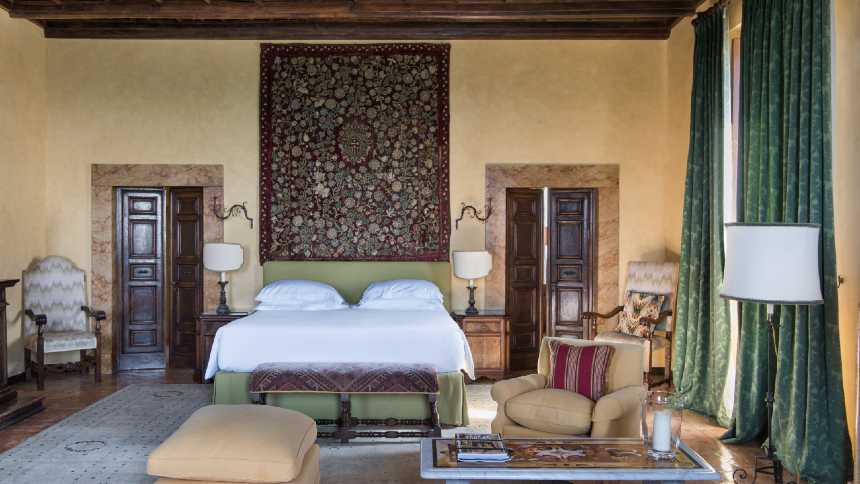
The building, with its Renaissance facade and wide side entrances through which horses once entered, now houses 23 rooms, with daily rates ranging from €740 to €3,000.
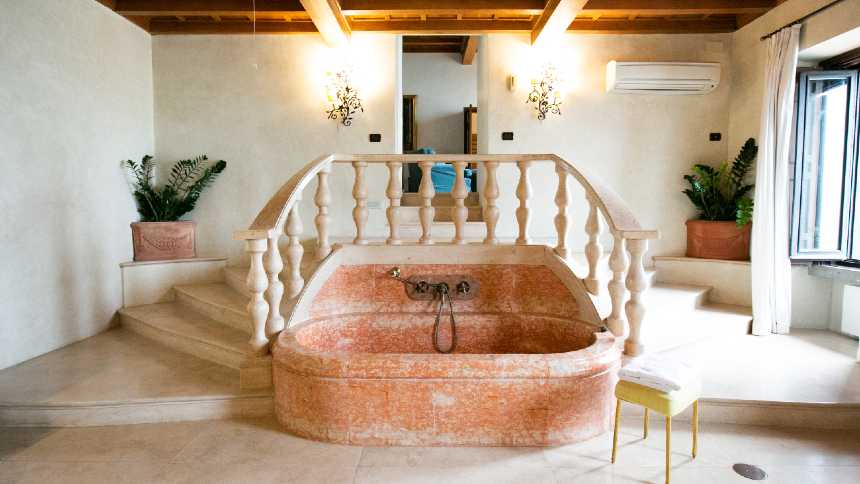
Some have been recently renovated, such as the Getty Suite, where a pink marble bathtub recalls the period when the industrialist received his mistresses there.
Surrounded by Mediterranean gardens and the ocean, the building remains almost invisible to those arriving by road. It looks more like a private residence than a hotel. And, in many ways, that's exactly what it once was.
From ancient Rome to modern aristocracy
Before becoming a high-end tourist destination, the property belonged to powerful families linked to the Vatican . The Orsini family were the first to occupy it, one of the oldest and most influential dynasties of the Roman nobility, with a presence in political and ecclesiastical life since the Middle Ages.
Later, the property passed to the Odescalchi family, who achieved even greater prominence in the 17th century when they gave the world Pope Innocent XI — Benedetto Odescalchi (1611-1689). Centuries of great wealth and ostentation followed until the place fell into decline and faced a period of abandonment.
The turning point comes in the 1960s, when Getty acquires the property with the intention of transforming it into a private retreat dedicated to his art collection and social life.
During the works, excavations revealed an extensive Roman maritime village dating from between the 2nd century BC and the 1st century AD, linked to the settlement of Alsium - one of the oldest Etruscan cities.
Instead of concealing the discoveries, Getty integrated the structures into the building, creating a rare overlay between ancient Rome and the modern aristocracy, two eras coexisting under the same roof.
Today, the space can be visited by guests and interested parties, who have direct access to this heritage site, accompanied by specialized guides.
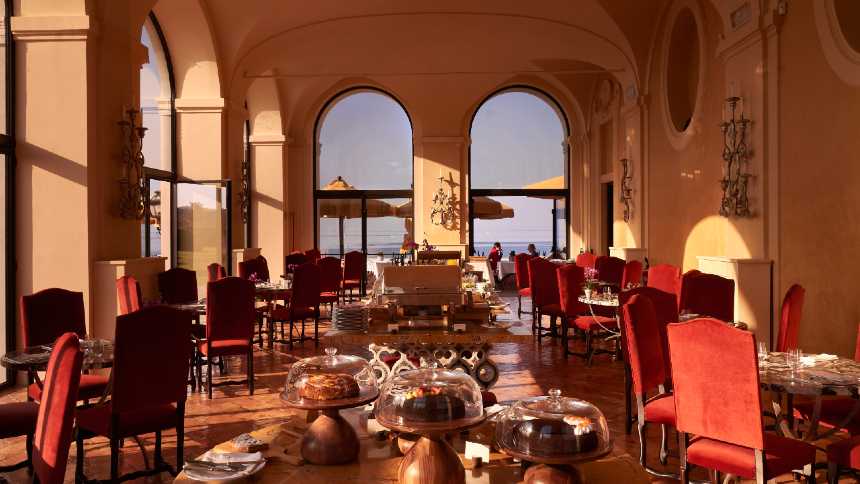
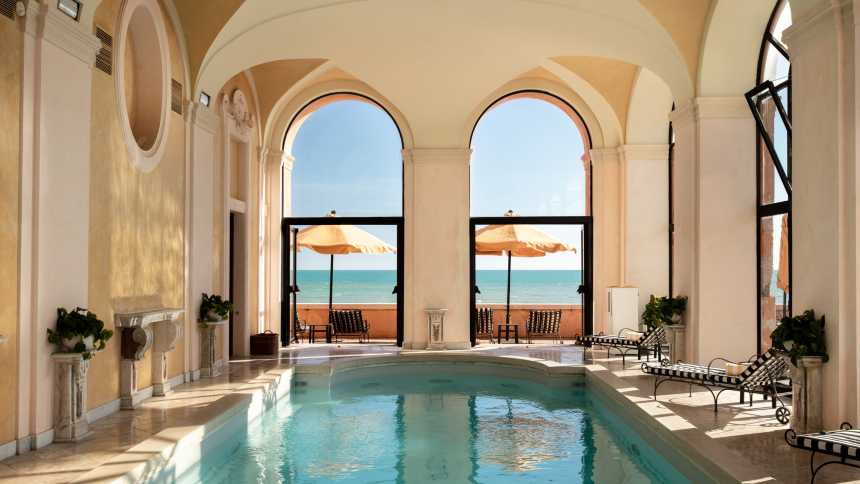
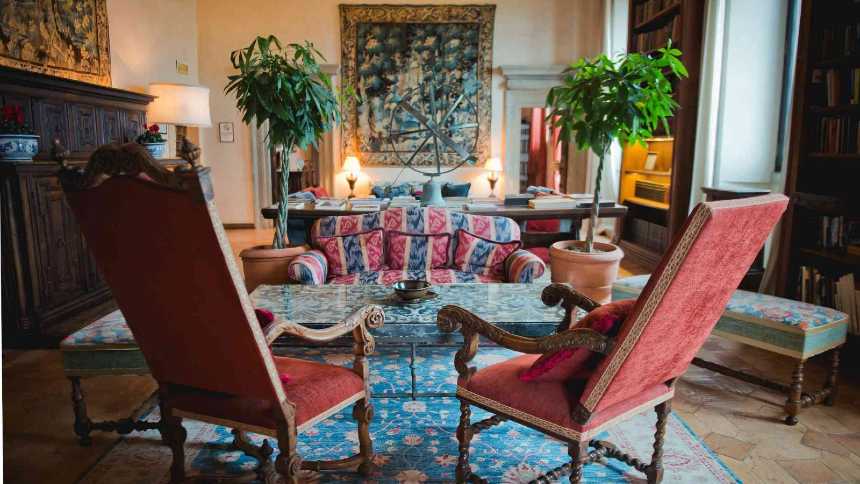
The quiet luxury of La Posta Vecchia is anchored in its historical legacy. After the millionaire's death, the Italian businessman Roberto Sciò acquired the property (with everything inside) with the intention of transforming it into his family's summer home, and, in 1990, he turned it into a hotel.
Managed by her daughter, architect Marie-Louise Sciò, the property operates seasonally. This year's season runs until November 8th. And the 2027 season will run from March 25th to November 7th.
In addition to the library with books that belonged to Getty (including a majestic wooden sacristy cabinet), white sheets and pure cotton towels, two swimming pools and a spa, the hotel's cuisine shines, led by chef Andrea Barcia.
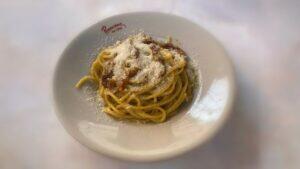
He harvests his ingredients from a garden just steps away, always creating dishes that he defines as "simple, from the region." The rule is understated elegance. On the menu at Da Aurelio, you'll find fresh fish, pasta, risotto, and salads, always served on Ginori porcelain, and a wine list with creative cocktails.
“We have artichokes, asparagus, peas, and agretti (a typical Italian spring vegetable with a slightly salty flavor), in addition to all the vegetables we normally find in season,” the chef, born in Padua and raised in Trentino-Alto Adige, tells NeoFeed . “After two or three weeks, these ingredients are no longer available, and we move on to other options.”
His training in northern Italy and international experiences in the United Kingdom, Australia, Denmark, and Switzerland appear discreetly, more as technical repertoire than as a signature.
La Posta Vecchia is part of the Pellicano chain, alongside Il Pellicano, in Porto Ercole, Tuscany, and Mezzatorre, in Ischia, Campania.
Ladispoli's estate, however, stands out because it built its reputation on history. And it has learned to offer this legacy as a complete and unique experience for those who want to live la dolce vita in its purest essence.